
Introduction
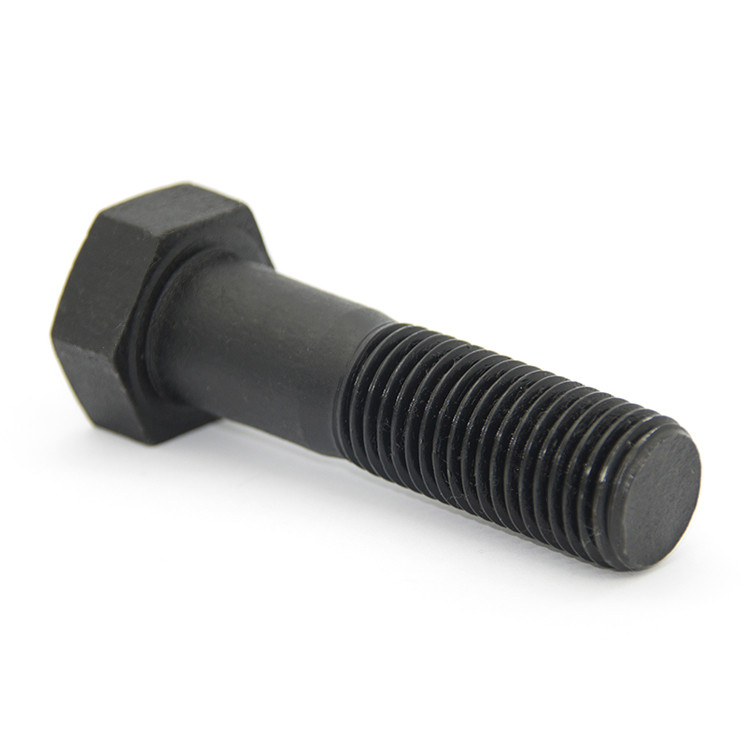
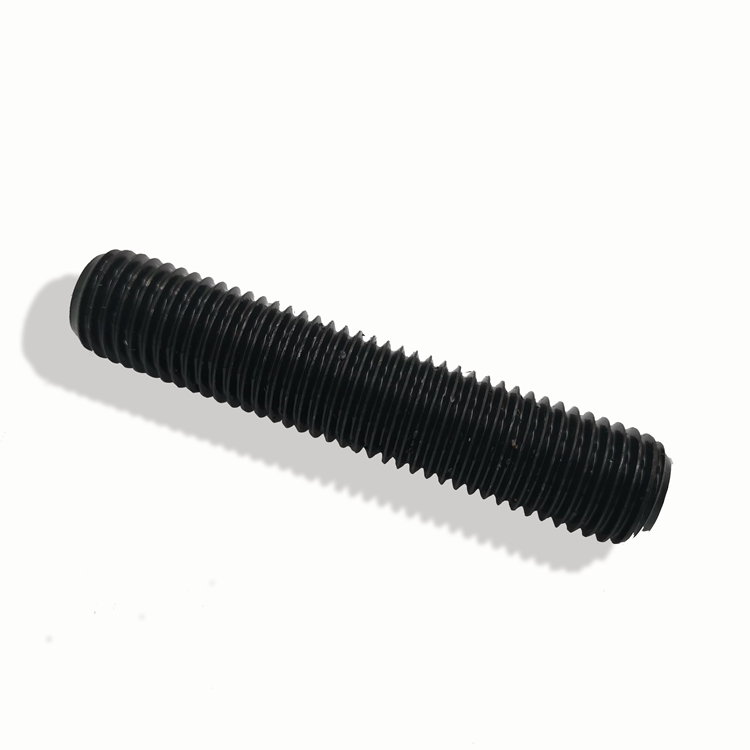
Full thread eye bolts are lifting components characterized by a threaded shank extending the full length of the bolt, terminating in an eye. These fasteners are critical in various industries, including rigging, marine, construction, and material handling, serving as secure connection points for lifting slings, cables, and other lifting devices. Unlike shoulder eye bolts which distribute load over a bearing surface, full thread eye bolts rely on the strength of the thread engagement within the receiving hole. Their primary function is to provide a strong, reliable lifting point; however, proper selection, installation, and maintenance are paramount to preventing failure. The technical position of these bolts resides within the broader category of lifting hardware, demanding adherence to stringent safety standards and load rating protocols. Core performance characteristics include tensile strength, yield strength, fatigue resistance, and thread engagement integrity, directly impacting safe working load (SWL) and ultimately, operational safety.
Material Science & Manufacturing
Full thread eye bolts are commonly manufactured from medium carbon steel (typically AISI 1045 or equivalent) which offers a balance of strength, ductility, and cost-effectiveness. Higher strength applications may utilize alloy steels like 4140, offering improved tensile and yield strength, particularly important in critical lifting scenarios. Stainless steel (304, 316) options are available for corrosive environments, although they generally exhibit lower tensile strength than carbon or alloy steel equivalents. The manufacturing process typically begins with hot forging of the eye and shank, followed by cold drawing to achieve the desired thread form and dimensions. Critical parameters during forging include die temperature, forging pressure, and cooling rate, influencing grain structure and potential for internal flaws. Cold drawing requires precise control of die angles, lubrication, and reduction ratios to maintain thread accuracy and avoid work hardening. Heat treatment, involving hardening and tempering, is crucial to achieving the specified mechanical properties. Thread rolling, as opposed to machining, is preferred for generating threads as it enhances fatigue strength by maintaining the grain flow of the material. Surface finishes, such as zinc plating or hot-dip galvanization, provide corrosion resistance. Chemical composition verification using methods like Optical Emission Spectroscopy (OES) is essential for quality control. Non-destructive testing (NDT), including magnetic particle inspection (MPI) and ultrasonic testing (UT), is performed to detect internal defects such as cracks, voids, or inclusions.
Performance & Engineering
The performance of full thread eye bolts is governed by several engineering principles. Primarily, the tensile stress experienced by the bolt under load must remain below the material's yield strength to prevent permanent deformation. The threaded portion introduces stress concentration, making it the most vulnerable point to failure. Shear stress is also a critical factor, particularly when the lifting load is not perfectly aligned with the bolt axis, inducing bending moments. Force analysis involves calculating the tensile load based on the lifted weight, safety factors, and sling angles. Environmental resistance is crucial; corrosion can significantly reduce the effective cross-sectional area of the bolt, diminishing its strength. Temperature extremes can also affect material properties – elevated temperatures reduce yield strength, while low temperatures can increase brittleness. Compliance requirements, dictated by standards like ASME B30.26 (for lifting attachments) and EN 13155 (for lifting sets), specify minimum safety factors and testing protocols. The engagement length of the threads within the receiving hole is critical. Insufficient engagement results in stripping of the threads. The hole diameter must be accurately sized to ensure proper thread engagement, typically requiring a thread interference fit. Furthermore, the material of the receiving hole must be of equal or greater strength than the eye bolt to prevent failure of the fixture itself.
Technical Specifications
| Material Grade | Tensile Strength (MPa) | Yield Strength (MPa) | Thread Type |
|---|---|---|---|
| AISI 1045 | 600-800 | 310-450 | UNC/UNF |
| 4140 Alloy Steel | 860-1030 | 620-830 | UNC/UNF |
| 304 Stainless Steel | 500-700 | 210-310 | UNC/UNF |
| 316 Stainless Steel | 620-830 | 240-345 | UNC/UNF |
| Surface Finish (Typical) | Zinc Plated | Hot-Dip Galvanized | Passivated (Stainless Steel) |
| Minimum Thread Engagement Length | 1.5 x Bolt Diameter | 2 x Bolt Diameter (for critical lifts) | As per ASME B30.26 |
Failure Mode & Maintenance
Full thread eye bolts are susceptible to several failure modes. Fatigue cracking is a common failure mechanism, initiated by repeated loading and unloading cycles, particularly at the thread root where stress concentration is highest. Stripping of the threads can occur if the receiving hole is improperly sized or if excessive torque is applied during installation. Corrosion, particularly in marine or chemical environments, can lead to pitting and reduction of the effective load-bearing cross-section. Overloading, exceeding the SWL, results in immediate failure, typically yielding or fracture. Improper installation, such as using the wrong size hole or inadequate thread engagement, significantly reduces the bolt's capacity. Maintenance involves regular visual inspection for signs of corrosion, cracking, deformation, or thread damage. Periodic torque checks should be performed to ensure proper thread tightness. Lubrication of the threads can prevent galling and facilitate easier removal for inspection. Damaged or corroded bolts must be replaced immediately. Detailed records of inspection and maintenance activities should be maintained. Consider using load monitoring devices to ensure lifting operations remain within safe limits. Non-destructive testing (MPI or UT) can be employed for in-service inspection to detect sub-surface cracks that are not visible to the naked eye.
Industry FAQ
Q: What is the primary difference between a full thread eye bolt and a shoulder eye bolt in terms of load distribution?
A: A full thread eye bolt transfers load directly through the threads, relying on thread engagement. A shoulder eye bolt distributes the load over a larger bearing surface provided by the shoulder, reducing stress concentration on the threads. Shoulder eye bolts are generally preferred for angled loading scenarios as they offer greater stability and prevent thread damage.
Q: How does thread engagement length affect the safe working load (SWL) of a full thread eye bolt?
A: Sufficient thread engagement is critical. A minimum engagement length of 1.5 times the bolt diameter is generally recommended, but 2 times is preferable for critical lifts. Reduced thread engagement diminishes the effective load-bearing area, significantly lowering the SWL and increasing the risk of thread stripping.
Q: What impact does corrosion have on the performance of stainless steel eye bolts?
A: While stainless steel is corrosion-resistant, it's not immune. Chloride-induced pitting corrosion can occur in marine environments, reducing the effective cross-sectional area and lowering tensile strength. Regular inspection and passivation treatments can help mitigate corrosion effects.
Q: What safety factor should be applied when selecting a full thread eye bolt for a specific lifting application?
A: ASME B30.26 typically requires a safety factor of 5:1 for most lifting applications. However, the required safety factor may be higher depending on the specific application, potential shock loads, and the criticality of the lift. It is crucial to consult relevant industry standards and conduct a thorough risk assessment.
Q: How often should full thread eye bolts be inspected and what should be inspected for?
A: Eye bolts should be inspected before each use, and more frequently in demanding applications. Inspection should include a visual check for corrosion, cracking, deformation, thread damage, and proper thread engagement. Periodic torque checks and NDT (MPI/UT) are recommended for critical applications.
Conclusion
Full thread eye bolts, while seemingly simple components, require a comprehensive understanding of material science, engineering principles, and industry standards to ensure safe and reliable lifting operations. Their performance is critically dependent on proper selection based on load requirements, environmental conditions, and anticipated service life. Insufficient thread engagement, corrosion, fatigue, and overloading represent key failure modes that must be addressed through diligent inspection, maintenance, and adherence to established safety protocols.
Future developments will likely focus on advanced materials, such as higher-strength alloy steels and composite materials, to enhance load capacity and reduce weight. Smart lifting technologies incorporating load cells and wireless monitoring systems will provide real-time feedback on bolt stress levels, enabling proactive maintenance and preventing catastrophic failures. Continuous improvement in non-destructive testing methods will allow for more accurate detection of internal flaws, further enhancing the safety and reliability of these essential lifting components.