
Introduction
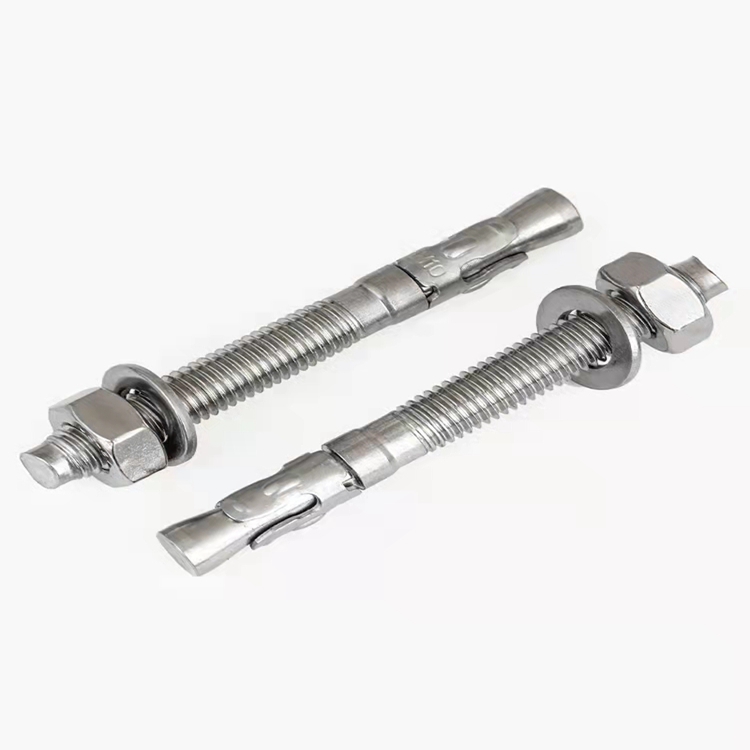
Washers for bolts and nuts are annular components positioned beneath a nut or bolt head to distribute load, prevent damage to the joined material, reduce friction, and provide electrical insulation. Their technical position within the fastening industry chain is critical, acting as a key interface between the fastener and the substrate. Washers are not merely supporting elements; they are engineered components impacting the overall integrity and longevity of bolted joints. Core performance characteristics revolve around load distribution efficiency, corrosion resistance, material compatibility, and the ability to maintain preload under dynamic conditions. The industry faces challenges concerning consistent dimensional accuracy, material traceability, and achieving optimal performance across diverse operating environments, particularly those involving extreme temperatures, corrosive chemicals, or high vibration. The selection of appropriate washer materials and configurations is paramount to preventing joint failure and ensuring structural reliability.
Material Science & Manufacturing
Washers are manufactured from a wide range of materials, each possessing unique physical and chemical properties. Common materials include carbon steel (various grades like SAE 1008, 1018), alloy steels (4140, 5140 for higher strength), stainless steel (304, 316 for corrosion resistance), aluminum alloys (6061-T6), and polymeric materials like nylon and PTFE. Carbon steel offers good strength and cost-effectiveness but is susceptible to corrosion. Stainless steels provide excellent corrosion resistance but generally have lower tensile strength than alloy steels. Aluminum alloys are lightweight and corrosion-resistant, suitable for non-critical applications. Polymers are used for electrical insulation and vibration dampening. Manufacturing processes vary depending on the material and desired geometry. Steel washers are typically produced via cold heading (for high-volume, simple shapes), stamping (for flat washers), or machining (for specialized designs). Stainless steel washers often involve cold forming and subsequent annealing. Polymer washers are predominantly manufactured using injection molding. Critical process parameters include material composition control, forming pressure, annealing temperature (for steel), mold temperature (for polymers), and surface finish. Dimensional accuracy is controlled through rigorous tooling design and in-process inspection using calipers, micrometers, and coordinate measuring machines (CMMs). Surface treatments like zinc plating, black oxide, or powder coating are often applied to enhance corrosion resistance and improve aesthetics.
Performance & Engineering
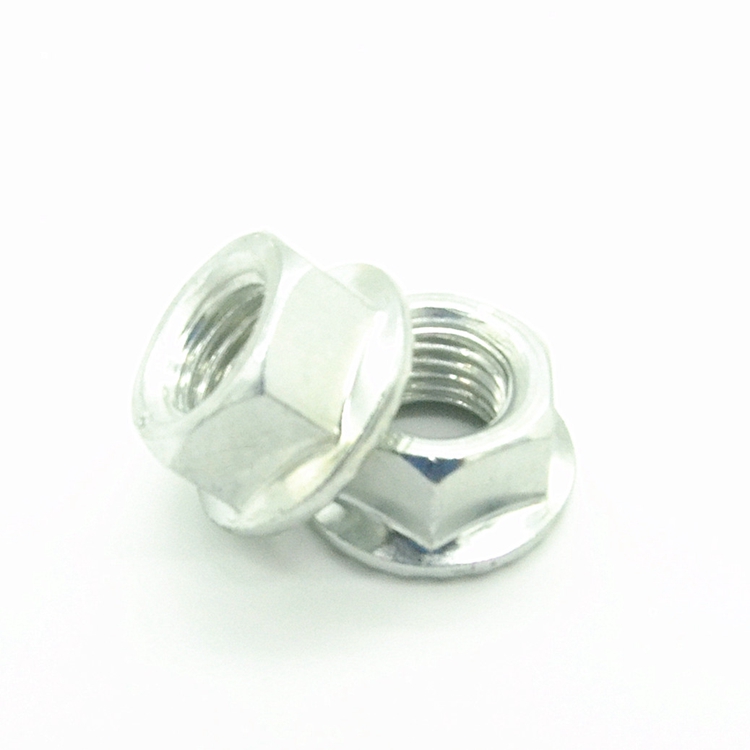
The primary function of a washer is to distribute the clamping force exerted by a bolted joint, reducing stress concentration on the fastened materials. This is achieved through increasing the bearing area. Engineering analysis focuses on determining the appropriate washer size and material based on the applied load, material properties, and desired safety factor. Force analysis involves calculating the stress on the washer material using equations derived from mechanics of materials, considering parameters like bolt preload, external loads, and washer dimensions. Environmental resistance is a critical performance factor. In corrosive environments, material selection and surface treatments are crucial to prevent galvanic corrosion and degradation. Washers used in high-temperature applications must maintain their mechanical properties and resist oxidation. Compliance requirements, such as those stipulated by RoHS and REACH regulations, restrict the use of certain hazardous substances in washer manufacturing. Functional implementation includes considerations for locking washers (split, tooth, or conical spring washers) which provide vibration resistance by creating friction between the washer and the mating surfaces. Washers also play a role in providing electrical conductivity or insulation depending on the material chosen. Finite Element Analysis (FEA) is frequently employed to simulate the behavior of bolted joints with washers under various loading conditions, optimizing washer design and predicting performance.
Technical Specifications
| Material Grade | Inner Diameter (ID) (mm) | Outer Diameter (OD) (mm) | Thickness (mm) |
|---|---|---|---|
| Carbon Steel (SAE 1018) | 6.35 | 16.0 | 1.65 |
| Stainless Steel (304) | 8.0 | 20.0 | 2.0 |
| Stainless Steel (316) | 10.0 | 25.0 | 2.5 |
| Aluminum Alloy (6061-T6) | 4.0 | 12.0 | 1.2 |
| Nylon 6/6 | 5.0 | 15.0 | 1.0 |
| Hardened Steel (4140) | 12.7 | 30.0 | 3.175 |
Failure Mode & Maintenance
Washers are susceptible to several failure modes in practical applications. Fatigue cracking can occur under cyclic loading, particularly in washers with stress concentrations due to surface defects or improper installation. Corrosion is a significant failure mechanism, especially in environments containing chlorides or other corrosive agents. Creep relaxation, the gradual loss of preload over time, can lead to joint loosening. Deformation, either plastic or elastic, can occur under excessive load, altering the washer’s geometry and reducing its effectiveness. Oxidation at high temperatures can degrade the material properties of metal washers. Failure analysis techniques include visual inspection, microscopic examination, and non-destructive testing methods like dye penetrant inspection and ultrasonic testing. Maintenance solutions involve periodic inspection of bolted joints for signs of corrosion, deformation, or loosening. Re-tightening bolts to the specified torque and replacing damaged or corroded washers are essential preventative measures. The application of corrosion inhibitors or protective coatings can extend the service life of washers in harsh environments. Regular lubrication of the bolt-washer-substrate interface can reduce friction and prevent galling.
Industry FAQ
Q: What is the impact of washer hardness on bolt preload retention?
A: Washer hardness directly affects preload retention. Softer washers conform more readily to surface imperfections, increasing the contact area and reducing stress concentration. However, they are more prone to creep relaxation, leading to preload loss over time. Harder washers offer better preload retention but require smoother mating surfaces to ensure adequate contact and prevent damage to the joined materials.
Q: How do split lock washers prevent loosening, and what are their limitations?
A: Split lock washers create a spring-like force when compressed, increasing friction between the washer and the mating surfaces, resisting loosening due to vibration. Their limitations include a relatively low clamping force and potential for flattening over time, reducing their effectiveness. They are not suitable for applications with severe vibration or dynamic loading.
Q: What is the best material choice for washers in a marine environment?
A: Stainless steel 316 is the best material choice for washers in a marine environment due to its superior corrosion resistance compared to 304 stainless steel, especially in chloride-rich seawater. Duplex stainless steels offer even better resistance, but at a higher cost. Avoid carbon steel unless adequately protected with robust corrosion coatings.
Q: How does washer thickness affect joint stiffness?
A: Increasing washer thickness generally increases joint stiffness. A thicker washer distributes the load over a larger area, reducing deflection under load. However, excessive thickness can introduce additional stresses and potentially lead to buckling or deformation.
Q: What are the key considerations when selecting washers for high-temperature applications?
A: When selecting washers for high-temperature applications, consider the material's oxidation resistance, retention of mechanical properties at elevated temperatures, and thermal expansion coefficient. Alloy steels and specialized stainless steel grades are often preferred over carbon steel. Avoid polymeric washers unless specifically designed for high-temperature use.
Conclusion
Washers, despite their seemingly simple design, are critical components in bolted joint assemblies. Their proper selection and implementation are vital for ensuring structural integrity, preventing failures, and extending the lifespan of fastened connections. Material selection, manufacturing process control, and engineering analysis are all crucial aspects of washer design and performance.
Moving forward, advancements in material science and manufacturing techniques will lead to the development of more sophisticated washers with enhanced performance characteristics. Focus areas include improved corrosion resistance, higher strength-to-weight ratios, and innovative locking mechanisms. Continued research and development in FEA modeling and non-destructive testing will further refine washer design and quality control procedures.