
Introduction
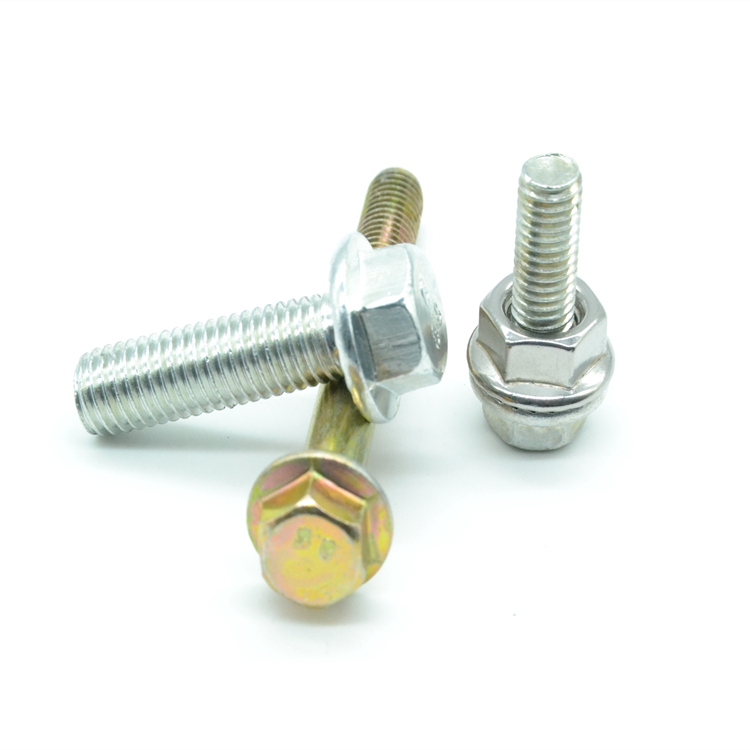
Hollo bolts, also known as structural bolts or high-strength hexagon head bolts, are fasteners designed for critical structural applications, primarily within the construction, bridge building, and heavy industrial sectors. Positioned as a direct replacement for field riveting, hollo bolts provide a mechanically efficient and rapidly installable connection method. Core performance characteristics revolve around achieving high clamping force, ensuring fatigue resistance under dynamic loading, and maintaining consistent shear strength to prevent joint slippage. The industry faces challenges related to consistent thread quality, accurate pre-tensioning during installation, and long-term corrosion protection, especially in harsh environments. Hollo bolts are distinguished by their ability to withstand significant tensile and shear stresses, offering a robust and reliable fastening solution when compared to conventional bolts, particularly in applications requiring high structural integrity.
Material Science & Manufacturing
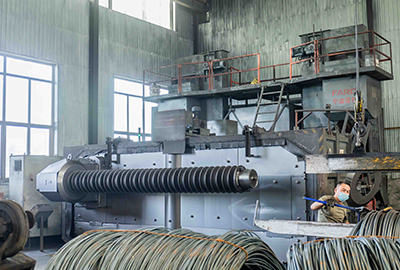
The predominant material for hollo bolts is medium-carbon alloy steel, typically conforming to ASTM A307 Grade A or A570 Grade 50, or equivalent international standards. The steel composition generally includes manganese, silicon, and often small additions of chromium or molybdenum to enhance strength and toughness. Raw material selection focuses on controlling sulfur and phosphorus content to minimize brittleness and improve weldability (for bolts requiring secondary operations). Manufacturing begins with hot forging of the bolt head and shank from the steel billet. This forging process establishes the grain flow, which is critical for strength, particularly in resisting fatigue failure. Subsequent machining operations include thread rolling – a cold forming process superior to thread cutting in terms of fatigue resistance as it avoids stress concentrations induced by cutting. Heat treatment is a pivotal stage; typically involving quenching and tempering to achieve the desired hardness and tensile strength. Surface treatment options include zinc coating (hot-dip galvanizing or mechanical plating) for corrosion resistance, and sometimes specialized coatings like Geomet or Xylan for enhanced performance in aggressive environments. Critical parameters during manufacturing include maintaining tight tolerances on thread pitch and diameter, ensuring consistent material hardness throughout the bolt, and verifying the coating thickness to meet relevant specifications. Quality control involves non-destructive testing methods like magnetic particle inspection to detect surface cracks and ultrasonic testing to assess internal material integrity.
Performance & Engineering
Hollo bolt performance is fundamentally governed by the principles of bolted joint design. Force analysis centers on calculating the required pre-tension (clamp load) to prevent joint separation under service loads. This pre-tension is achieved through controlled tightening methods, such as torque control, turn-of-nut, or Direct Tension Indicators (DTIs). The tensile strength of the bolt material dictates its capacity to resist axial loads, while the shear strength governs its ability to withstand transverse forces. Environmental resistance is a key consideration; corrosion can significantly reduce bolt strength and lead to premature failure. Factors influencing corrosion include exposure to saltwater, industrial pollutants, and temperature fluctuations. Compliance requirements are dictated by industry-specific codes and standards (discussed in the footer). In seismic zones, hollo bolts must be designed to withstand cyclic loading and maintain joint integrity under extreme dynamic conditions. Finite element analysis (FEA) is often employed to simulate stress distributions within the bolted joint and optimize bolt size and spacing. Fatigue performance is critical, requiring careful consideration of stress concentration points (e.g., at thread roots) and the expected number of load cycles. The material's notch sensitivity and surface finish significantly impact fatigue life. Detailed engineering calculations must account for thermal expansion and contraction, particularly in applications involving dissimilar materials.
Technical Specifications
| Diameter (mm) | Grade | Tensile Strength (MPa) | Yield Strength (MPa) |
|---|---|---|---|
| M12 | 8.8 | 800 | 640 |
| M16 | 8.8 | 800 | 640 |
| M20 | 10.9 | 1000 | 900 |
| M24 | 10.9 | 1000 | 900 |
| M27 | 12.9 | 1200 | 1100 |
| M30 | 12.9 | 1200 | 1100 |
Failure Mode & Maintenance
Hollo bolt failure can manifest in several modes. Fatigue cracking, particularly at thread roots or under the bolt head, is a common issue in dynamically loaded structures. This is exacerbated by stress concentrations and improper tightening. Shear failure occurs when the shear stress exceeds the material’s shear strength, often due to overloading or misalignment of the connected parts. Hydrogen embrittlement, induced by corrosion in high-strength steels, can lead to brittle fracture, especially under tensile load. Corrosion, as previously mentioned, weakens the bolt and promotes pitting, creating initiation sites for cracks. Thread stripping occurs when the threads are overstressed or improperly engaged. Maintenance involves periodic inspection for signs of corrosion, loosening, or damage. Regular torque checks are essential to ensure adequate clamping force. Lubrication of threads can prevent galling and facilitate disassembly. In corrosive environments, periodic application of protective coatings is recommended. If a bolt shows signs of fatigue cracking or significant corrosion, it must be replaced immediately. When replacing bolts, ensure that the replacement bolt meets or exceeds the original specifications, and that proper tightening procedures are followed. Record-keeping of inspection and maintenance activities is crucial for tracking bolt performance and identifying potential problems.
Industry FAQ
Q: What is the significance of bolt grade, and how does it relate to preload capability?
A: Bolt grade indicates the material’s strength properties – tensile strength and yield strength. Higher grades allow for greater preload (clamp load). A higher preload improves joint fatigue resistance and prevents slippage. Selecting the correct grade is critical based on the application’s loading conditions and required safety factor. Lower grades may be suitable for static applications, but higher grades are essential for dynamic loads and critical structural connections.
Q: What are the advantages of using Direct Tension Indicators (DTIs) over torque control for tightening hollo bolts?
A: DTIs provide a more accurate method of achieving the desired preload compared to torque control. Torque is affected by friction, lubrication, and surface conditions, making it an indirect measure of preload. DTIs directly measure the bolt elongation, ensuring that the correct preload is achieved regardless of these variables. This results in more consistent and reliable joint performance.
Q: How does corrosion affect the performance of hollo bolts, and what mitigation strategies are effective?
A: Corrosion reduces the effective cross-sectional area of the bolt, decreasing its tensile strength. It also promotes pitting and crack initiation. Mitigation strategies include using corrosion-resistant coatings (zinc, Geomet, Xylan), selecting appropriate materials for the environment, and employing cathodic protection in severe environments. Regular inspection and maintenance are also crucial.
Q: What is the impact of improper tightening on the fatigue life of hollo bolts?
A: Improper tightening – either under-tightening or over-tightening – significantly reduces the fatigue life of hollo bolts. Under-tightening leads to joint slippage and increased stress concentrations, while over-tightening can cause bolt yielding or fracture. Correct tightening, utilizing methods like DTIs or calibrated torque wrenches, is essential for maximizing fatigue performance.
Q: What are the key differences between hot-dip galvanizing and mechanical plating for zinc coating, and when would you choose one over the other?
A: Hot-dip galvanizing provides a thicker, more robust coating offering superior corrosion protection, particularly in harsh environments. However, it can affect bolt dimensions and may introduce hydrogen embrittlement. Mechanical plating offers a thinner, more uniform coating with better dimensional control and reduced risk of hydrogen embrittlement. Choose hot-dip galvanizing for maximum corrosion resistance, and mechanical plating for applications requiring tight tolerances and minimal risk of hydrogen embrittlement.
Conclusion
Hollo bolts represent a crucial fastening technology for high-integrity structural applications. Their performance is intrinsically linked to material science, precise manufacturing controls, and meticulous installation procedures. Understanding the interplay between preload, fatigue resistance, corrosion protection, and adherence to industry standards is paramount for ensuring long-term structural reliability.
Effective lifecycle management of hollo bolt connections necessitates diligent inspection, regular maintenance, and a proactive approach to identifying and addressing potential failure mechanisms. Continued advancements in coating technologies and tightening methodologies promise to further enhance the performance and longevity of these critical fasteners, solidifying their role in modern infrastructure and industrial construction.