
Introduction
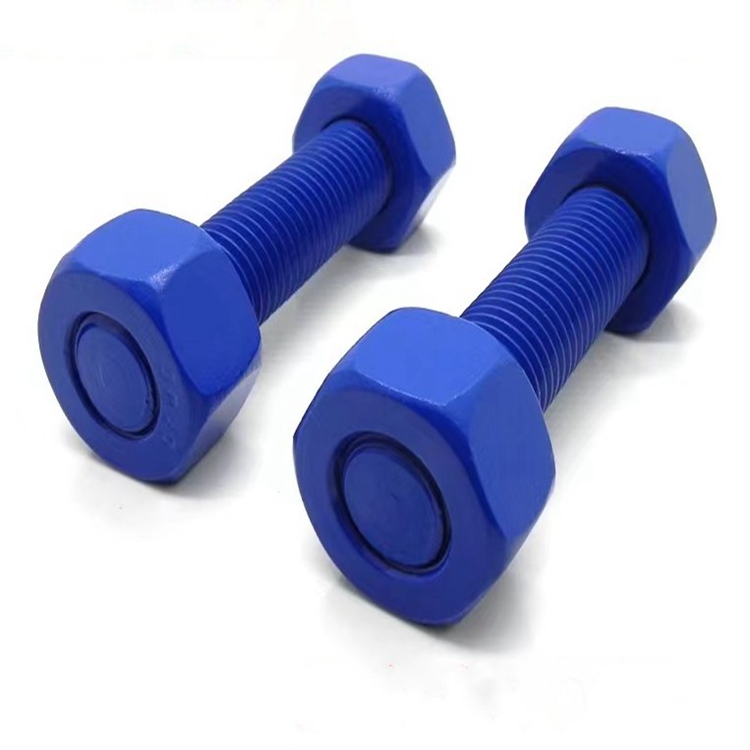
ASTM A325 bolts are high-strength structural bolts primarily utilized in steel-to-steel connections within bridge construction, building frameworks, and other critical infrastructure applications. These bolts represent a standardized approach to ensure reliable and predictable joint performance under significant tensile and shear loads. Their technical position within the industry chain is fundamental: serving as the crucial fastener that enables prefabricated steel components to be efficiently and safely assembled on-site. Core performance characteristics revolve around achieving a defined clamping force (pretension) upon tightening, resisting loosening under dynamic loads, and exhibiting predictable fatigue resistance. A325 bolts are categorized by their finish (plain, galvanized) and strength grade, impacting their corrosion resistance and load-bearing capacity. The industry faces continual challenges in maintaining consistent pretension during installation, mitigating hydrogen embrittlement risks, and ensuring traceability of materials for quality control, all of which are directly addressed by the A325 standard and associated installation procedures.
Material Science & Manufacturing
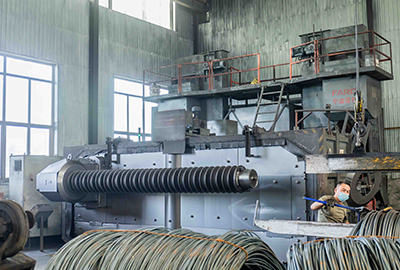
ASTM A325 bolts are manufactured from medium-carbon steel alloys, typically conforming to chemical composition requirements dictated by the standard (e.g., variations in manganese, sulfur, and phosphorus content). The raw material undergoes a process of hot forming, shaping the steel into bolt blanks through forging or cold heading. Heat treatment is a critical step, involving quenching and tempering to achieve the desired mechanical properties – specifically, a high tensile strength (typically between 105,000 and 120,000 psi) and yield strength. The quenching process introduces martensite into the steel microstructure, increasing hardness but also brittleness. Subsequent tempering reduces brittleness while maintaining significant strength. Manufacturing tolerances are rigorously controlled to ensure consistent dimensions and thread quality. Thread rolling is the preferred method for creating threads, as it work-hardens the surface, enhancing fatigue resistance. Coating options, such as hot-dip galvanization, provide corrosion protection, but the galvanization process itself can introduce hydrogen into the steel, potentially leading to hydrogen embrittlement, a significant concern addressed through specialized post-galvanizing treatments. Precise control of cooling rates during heat treatment and the chemical composition of the steel are paramount to prevent undesirable microstructural features, such as retained austenite, that could compromise bolt performance. Bolt manufacturers must adhere to strict quality control procedures, including non-destructive testing (NDT) like magnetic particle inspection, to detect surface cracks and other defects.
Performance & Engineering
The performance of A325 bolts is fundamentally governed by their ability to resist tensile, shear, and fatigue loads. Force analysis involves calculating the stresses induced in the bolt and connected steel members under various loading scenarios. The design strength of a bolted connection depends on factors such as bolt diameter, grade, slip coefficient, and the geometry of the connection. Environmental resistance is a key consideration, particularly in corrosive environments. Galvanized coatings offer a degree of protection, but the rate of corrosion depends on the exposure conditions and the effectiveness of the galvanization process. Compliance requirements dictate the need for proper bolt tightening to achieve the specified preload (pretension). Achieving correct preload is crucial because it maximizes the bolt’s tensile strength and prevents joint slippage. Torque control methods, such as turn-of-nut tightening, are commonly employed to ensure consistent preload. Fatigue performance is evaluated through cyclic loading tests, simulating the repeated stress cycles experienced in service. Factors influencing fatigue life include stress concentration at thread roots, residual stresses from manufacturing, and the presence of corrosion. Joint flexibility and the potential for stress redistribution are also important engineering considerations. Detailed finite element analysis (FEA) is often used to model the behavior of bolted connections under complex loading conditions and to optimize joint design.
Technical Specifications
| Grade | Tensile Strength (psi) | Yield Strength (psi) | Hardness (Rockwell C) |
|---|---|---|---|
| A325 | 105,000 - 120,000 | 85,000 | 30-35 |
| A325M | 724 - 827 MPa | 586 MPa | 30-35 |
| Diameter (inches) | 1/2, 5/8, 3/4, 7/8, 1 | N/A | N/A |
| Diameter (mm) | 12, 16, 19, 22, 25 | N/A | N/A |
| Coating | Plain, Galvanized | N/A | N/A |
| Thread Type | UNC (Unified National Coarse) | N/A | N/A |
Failure Mode & Maintenance
Failure modes for ASTM A325 bolts are diverse and often interconnected. Tensile overload, exceeding the bolt's ultimate tensile strength, leads to fracture. Shear failure occurs when shear stresses exceed the bolt's shear strength. However, the most common failure modes are related to fatigue and corrosion. Fatigue cracking initiates at stress concentrations, typically at thread roots, and propagates under cyclic loading. Hydrogen embrittlement, particularly in galvanized bolts, significantly reduces ductility and promotes brittle fracture. Corrosion, especially in chloride-rich environments, weakens the bolt material and accelerates fatigue crack growth. Thread stripping can occur if the nut is overtightened or if the threads are damaged. Loosening of the bolted connection due to vibration or creep can lead to increased stress on remaining bolts and eventual failure. Maintenance strategies involve regular inspection of bolted connections for signs of corrosion, loosening, or damage. Periodic retightening of bolts to the specified preload is crucial, especially in dynamic applications. Corrosion protection measures, such as applying protective coatings or using corrosion-resistant alloys, can extend bolt service life. If hydrogen embrittlement is suspected, specialized testing and treatment methods may be required. Non-destructive testing (NDT) methods, such as ultrasonic testing, can be used to detect internal cracks and assess bolt integrity. Replacement of damaged or corroded bolts is essential to prevent catastrophic failure.
Industry FAQ
Q: What is the primary difference between A325 and A490 bolts, and when would you choose one over the other?
A: A490 bolts exhibit higher strength characteristics (tensile and yield) than A325 bolts. A490 bolts are typically selected for applications demanding higher load-bearing capacity and greater resistance to deformation. However, A490 bolts are more susceptible to hydrogen embrittlement and require more stringent installation procedures to prevent brittle fracture. A325 bolts offer a good balance of strength, ductility, and cost-effectiveness for most structural applications.
Q: How does galvanization affect the performance of A325 bolts, and what steps are taken to mitigate the risk of hydrogen embrittlement?
A: Galvanization provides corrosion protection but introduces hydrogen into the steel, increasing the risk of hydrogen embrittlement. Mitigation strategies include using a slow galvanizing process to control hydrogen absorption, employing post-galvanizing baking treatments to drive out absorbed hydrogen, and specifying bolts with a low sulfur content, as sulfur promotes hydrogen trapping. Regular inspection and preload maintenance are also crucial.
Q: What is the recommended method for tightening A325 bolts to achieve the correct preload, and what are the consequences of under- or overtightening?
A: Turn-of-nut tightening is the preferred method, utilizing a calibrated wrench to rotate the nut a specified number of degrees after achieving snug-tight condition. Under-tightening results in insufficient clamping force, leading to joint slippage and fatigue failure. Overtightening can cause thread stripping and, in the case of high-strength bolts, brittle fracture. Accurate torque control is less reliable due to variations in friction.
Q: What non-destructive testing (NDT) methods are commonly used to assess the integrity of A325 bolts in service?
A: Magnetic particle inspection (MPI) is commonly used to detect surface cracks. Ultrasonic testing (UT) can detect internal flaws. Dye penetrant inspection (DPI) is another method for identifying surface discontinuities. Visual inspection for corrosion and thread damage is also essential. The choice of NDT method depends on the specific application and the type of defect being sought.
Q: How do different environmental factors, such as temperature and humidity, influence the long-term performance of A325 bolted connections?
A: Elevated temperatures can reduce bolt strength and creep resistance. Low temperatures can increase brittleness. High humidity and exposure to chlorides accelerate corrosion. Cyclic temperature variations induce thermal stresses, potentially leading to fatigue failure. Protective coatings and appropriate material selection are crucial for mitigating the effects of environmental factors.
Conclusion
ASTM A325 bolts are indispensable components in numerous structural applications, providing reliable and robust connections. Their performance is contingent upon a complex interplay of material science, manufacturing processes, and engineering principles. Adherence to stringent quality control standards, proper installation procedures (specifically achieving correct preload), and ongoing maintenance are paramount to ensuring long-term integrity and preventing premature failure.
Future developments in bolted joint technology will likely focus on advanced corrosion protection methods, improved hydrogen embrittlement mitigation strategies, and the integration of smart sensors for real-time monitoring of bolt preload and structural health. Continued research into fatigue behavior and the development of more accurate predictive models will also be essential for optimizing bolted connection designs and extending service life.