
Introduction
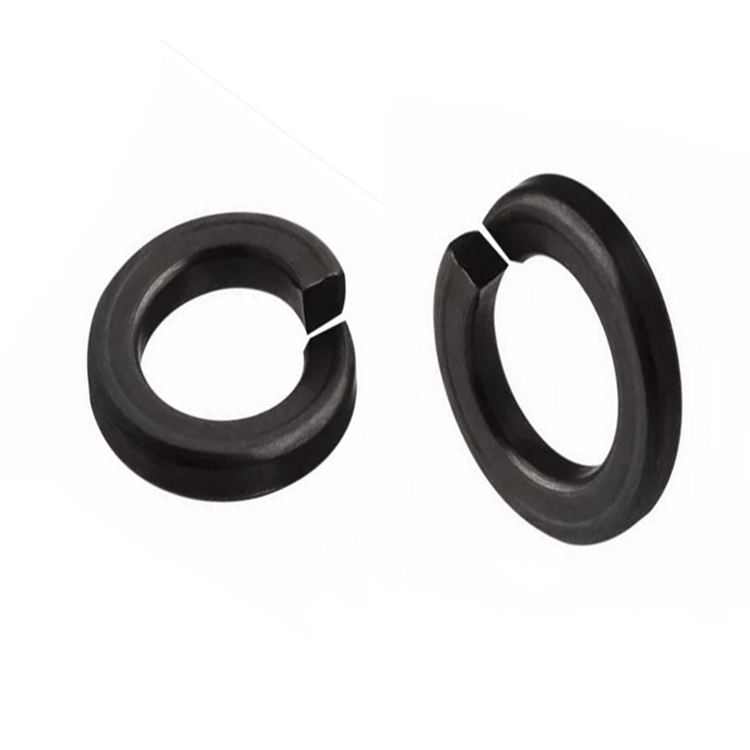
Furniture connector bolts are critical fastening components employed in the assembly of a wide array of furniture applications, ranging from residential to commercial settings. These bolts, typically manufactured from carbon steel, alloy steel, or stainless steel, provide the necessary mechanical strength and stability to join furniture parts securely. Unlike general-purpose bolts, furniture connector bolts are often designed with specific features like low-profile heads, specialized threading, and corrosion-resistant coatings to meet the aesthetic and functional demands of the furniture industry. The technical position of these bolts within the supply chain places them as a critical link between raw material suppliers, bolt manufacturers, furniture producers, and ultimately, the end consumer. Core performance characteristics encompass tensile strength, shear strength, fatigue resistance, and corrosion resistance, directly impacting the longevity and structural integrity of assembled furniture. A significant industry pain point revolves around inconsistent material quality leading to premature failure, particularly in mass-produced items, and the challenge of balancing cost-effectiveness with required performance specifications.
Material Science & Manufacturing
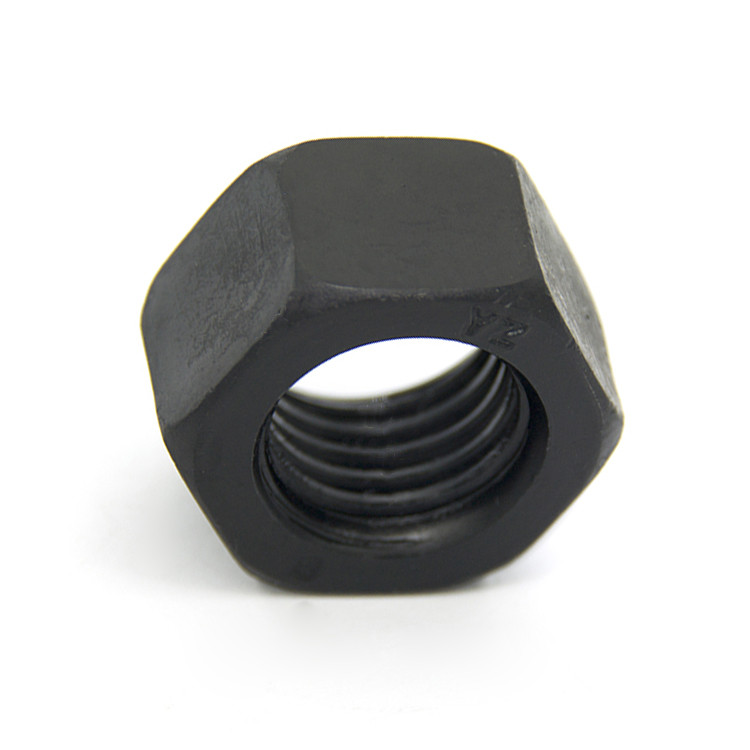
The primary raw material for furniture connector bolts is typically medium to high carbon steel (e.g., AISI 1045, AISI 4140), chosen for its balance of strength, ductility, and cost. Stainless steel (e.g., 304, 316) is used where corrosion resistance is paramount, such as in outdoor furniture or humid environments. Alloy steel additions like chromium, nickel, and molybdenum enhance hardenability, toughness, and resistance to wear. Manufacturing processes generally include cold heading, thread rolling, heat treatment, and surface finishing. Cold heading forms the bolt shape at room temperature, improving material strength through work hardening. Thread rolling creates the threads without material removal, maximizing thread strength and surface finish. Heat treatment, consisting of austenitizing, quenching, and tempering, is crucial for achieving the desired hardness and ductility. Key parameter control during heat treatment is vital; precise temperature control and quenching media selection (oil or water-based) influence the resulting mechanical properties. Surface finishes such as zinc plating, black oxide coating, or powder coating provide corrosion protection and aesthetic appeal. The chemical composition of the coating material, application thickness, and curing conditions all impact coating performance. Failure to control these parameters can lead to hydrogen embrittlement, reduced corrosion resistance, and premature bolt failure. The material’s microstructure significantly influences its mechanical behavior. A fine-grained martensitic structure, achieved through proper heat treatment, is preferred for high strength and toughness. Inclusion content and grain size must be carefully monitored to avoid stress concentration points and potential fracture initiation sites.
Performance & Engineering
The performance of furniture connector bolts is primarily governed by their ability to withstand tensile, shear, and fatigue loads. Tensile strength, determined through standardized tests like ASTM A370, represents the maximum stress the bolt can withstand before fracturing under axial tension. Shear strength, evaluated according to ASTM A370, measures the bolt's resistance to forces acting perpendicular to its axis. Fatigue resistance is critical in furniture applications subject to cyclical loading, such as rocking chairs or adjustable components. Fatigue life is influenced by stress concentration factors, surface finish, and the presence of residual stresses. Environmental resistance is a key consideration, particularly for outdoor furniture. Corrosion, caused by exposure to moisture, salt spray, or chemicals, can significantly degrade bolt strength and lead to failure. Protective coatings and material selection (e.g., stainless steel) are essential to mitigate corrosion. Compliance requirements vary depending on the target market and application. For example, furniture intended for public use may need to meet specific fire safety standards or structural integrity requirements outlined by organizations like BIFMA (Business and Institutional Furniture Manufacturers Association). Force analysis during furniture design is critical to ensure that bolts are appropriately sized and specified to handle the expected loads. Finite Element Analysis (FEA) can be used to simulate stress distribution and identify potential failure points.
Technical Specifications
| Diameter (mm) | Length (mm) | Material Grade | Tensile Strength (MPa) |
|---|---|---|---|
| M6 | 25 | AISI 1045 | 600 |
| M8 | 30 | AISI 4140 | 800 |
| M10 | 40 | 304 Stainless Steel | 500 |
| M6 | 40 | AISI 1045 (Zinc Plated) | 600 |
| M8 | 50 | AISI 4140 (Black Oxide) | 800 |
| M10 | 60 | 316 Stainless Steel | 620 |
Failure Mode & Maintenance
Common failure modes for furniture connector bolts include fatigue cracking, thread stripping, corrosion, and hydrogen embrittlement. Fatigue cracking typically initiates at stress concentration points, such as thread roots or under the bolt head. Thread stripping occurs when the applied load exceeds the shear strength of the threads. Corrosion can weaken the bolt material and lead to brittle fracture. Hydrogen embrittlement, a concern for high-strength steel bolts with certain coatings, can result in delayed cracking under tensile stress. Preventive maintenance strategies include periodic inspection for signs of corrosion, loosening, or damage. Tightening torque should be verified using a calibrated torque wrench to ensure proper clamping force. Lubrication of threads with an appropriate anti-seize compound can reduce friction and prevent galling. In cases of corrosion, affected bolts should be replaced. For bolts experiencing fatigue loading, consider increasing the bolt size or using a higher-strength material. Failure analysis, involving visual inspection, microscopic examination, and chemical analysis, can help determine the root cause of failure and prevent recurrence. If significant corrosion is present, implementing a more robust corrosion protection strategy, such as switching to stainless steel or using a more durable coating, is recommended. Proper storage of bolts in a dry environment is also crucial to prevent corrosion during storage.
Industry FAQ
Q: What is the difference between a Grade 5 and Grade 8 bolt for furniture applications?
A: Grade 8 bolts offer significantly higher tensile and yield strength compared to Grade 5 bolts. While Grade 5 bolts are suitable for less demanding applications, Grade 8 bolts are preferred where higher load-bearing capacity and fatigue resistance are required, such as in structural joints or components subject to dynamic loads. The higher carbon content and tighter manufacturing tolerances of Grade 8 bolts contribute to their superior mechanical properties, but also make them more brittle.
Q: How does zinc plating affect the corrosion resistance of furniture connector bolts?
A: Zinc plating provides sacrificial corrosion protection. The zinc coating corrodes preferentially to the underlying steel, protecting it from corrosion. However, the effectiveness of zinc plating depends on the coating thickness, the presence of defects, and the environmental conditions. In highly corrosive environments (e.g., saltwater exposure), the zinc coating may be consumed relatively quickly, requiring supplementary corrosion protection measures.
Q: What is the recommended torque for tightening an M8 furniture connector bolt?
A: The recommended torque for an M8 furniture connector bolt depends on the material grade, thread pitch, and lubrication. As a general guideline, for a Grade 8.8 bolt with a standard thread pitch and lightly lubricated threads, a torque of 25-30 Nm is typically sufficient. However, always refer to the bolt manufacturer's specifications for precise torque recommendations. Overtightening can lead to thread stripping, while undertightening can result in loosening.
Q: What are the advantages of using stainless steel bolts in outdoor furniture?
A: Stainless steel bolts offer excellent corrosion resistance, making them ideal for outdoor furniture applications where exposure to moisture, salt spray, and UV radiation is common. They require minimal maintenance and have a long service life. While stainless steel bolts are generally more expensive than carbon steel bolts, their superior corrosion resistance can justify the higher cost in the long run, reducing the need for frequent replacement.
Q: How can I identify a bolt that has experienced hydrogen embrittlement?
A: Hydrogen embrittlement can be difficult to detect visually. Signs may include delayed cracking, particularly under tensile stress, and brittle fracture surfaces. Metallographic examination can reveal the presence of hydrogen in the steel microstructure. Preventative measures, such as using appropriate coatings and avoiding excessive tensile stress, are the best way to mitigate the risk of hydrogen embrittlement.
Conclusion
Furniture connector bolts are fundamentally crucial components in furniture assembly, directly impacting structural integrity and longevity. Their selection demands careful consideration of material science principles, manufacturing processes, and performance engineering requirements. The selection must involve detailed analysis of expected load conditions, environmental factors, and relevant industry standards. Failing to adequately address these elements can lead to premature failure, compromising furniture safety and customer satisfaction.
Looking ahead, advancements in bolt materials, coatings, and manufacturing techniques will continue to enhance performance and durability. The increasing demand for sustainable furniture will drive the development of eco-friendly materials and manufacturing processes. Furthermore, the adoption of digital technologies, such as FEA and predictive maintenance, will enable more informed design and maintenance decisions, ultimately improving the reliability and cost-effectiveness of furniture assembly.