
Introduction
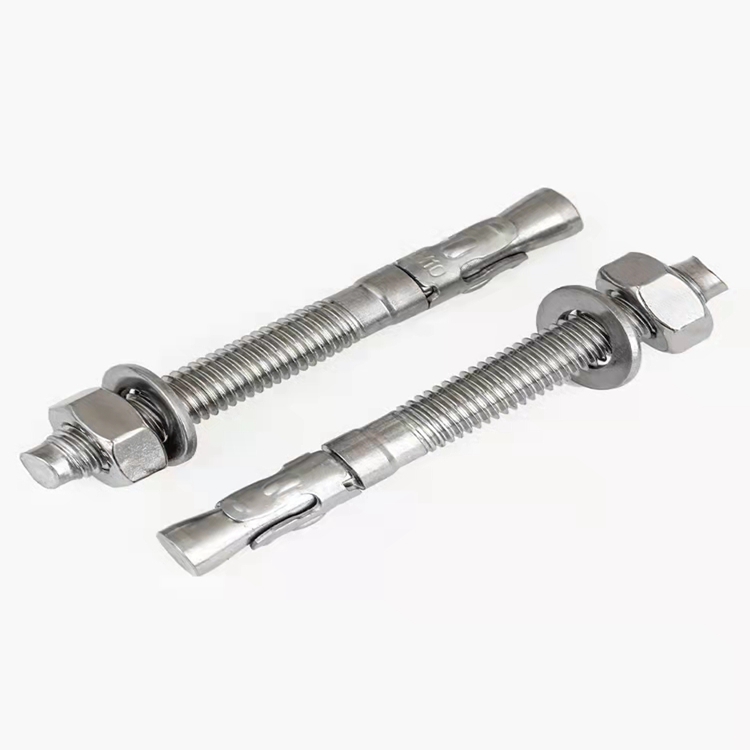
Elevator bolts, also known as machine screws with a hooded head, are specialized fasteners integral to the safe and reliable operation of elevators and escalators. Their primary function is to securely fasten elevator car components, guide rails, counterweight systems, and other critical elements. Distinguished by a large, low-profile head with a square or rectangular nut-bearing surface, elevator bolts mitigate the risk of the bolt backing out due to vibrations inherent in elevator operation and potential tampering. This design feature addresses a critical safety concern in vertical transportation systems, differentiating them from standard machine screws. They are typically manufactured from medium-carbon steel alloys, and undergo rigorous quality control to ensure consistent load-bearing capacity and fatigue resistance. This guide provides a comprehensive technical overview of elevator bolts, covering material science, manufacturing processes, performance characteristics, failure modes, and relevant industry standards.
Material Science & Manufacturing
The predominant material for elevator bolts is medium carbon steel, typically AISI/SAE 1045 or equivalent, offering a balance of strength, ductility, and weldability. Chemical composition commonly falls within 0.45-0.55% carbon, with manganese, phosphorus, and sulfur levels carefully controlled. High-strength alloys like 4140 (chromium-molybdenum) are utilized in applications requiring superior tensile strength and fatigue resistance, such as counterweight attachment points. Manufacturing commences with hot forging or cold heading of steel wire, forming the bolt blank. The head is then formed via a process called upsetting, precisely shaping the distinctive hooded design. A crucial step is thread rolling, utilizing hardened dies to impart the thread form without material removal, enhancing thread strength and fatigue life compared to thread cutting. Heat treatment, involving hardening and tempering, is critical. Hardening, typically employing quenching in oil or water, increases the steel’s hardness. Tempering, following immediately after, reduces brittleness and improves toughness. Surface treatments such as zinc plating or hot-dip galvanization provide corrosion resistance. Parameter control is paramount throughout: forging temperature, die pressure during thread rolling, quenching medium and time, and tempering temperature directly impact the final mechanical properties of the bolt. Non-destructive testing, including magnetic particle inspection, is frequently employed to detect surface cracks and ensure structural integrity.
Performance & Engineering
Elevator bolt performance is governed by several critical engineering considerations. Tensile strength, typically ranging from 80,000 to 120,000 PSI (550-830 MPa) depending on the alloy and heat treatment, dictates the maximum load the bolt can withstand before fracture. Yield strength, around 60,000-90,000 PSI (415-620 MPa), determines the onset of permanent deformation. Shear strength is also vital, particularly in applications involving lateral forces. Fatigue resistance is of paramount importance, given the continuous cyclic loading experienced in elevator systems. The hooded head design plays a significant role in load distribution and preventing loosening. The large bearing surface minimizes stress concentration, while the hood restricts the nut’s rotation, resisting vibrational loosening. Force analysis during installation involves calculating the required tightening torque to achieve the desired preload, ensuring sufficient clamping force without exceeding the bolt's yield strength. Environmental resistance is another crucial factor. Elevator shafts can be humid or exposed to corrosive agents, necessitating the selection of appropriate surface treatments. Compliance requirements are stringent. Elevator installations are heavily regulated, with codes like ASME A17.1 (Safety Code for Elevators and Escalators) dictating fastener specifications and inspection procedures. Functional implementation hinges on correct bolt selection based on load calculations, environmental conditions, and the specific application within the elevator system.
Technical Specifications
| Diameter (inches) | Thread Pitch (TPI) | Minimum Tensile Strength (PSI) | Minimum Yield Strength (PSI) |
|---|---|---|---|
| 1/2 | 13 | 85,000 | 65,000 |
| 5/8 | 11 | 90,000 | 70,000 |
| 3/4 | 10 | 100,000 | 75,000 |
| 7/8 | 9 | 110,000 | 80,000 |
| 1 | 8 | 120,000 | 90,000 |
| 1 1/4 | 7 | 115,000 | 85,000 |
Failure Mode & Maintenance
Elevator bolts are susceptible to several failure modes. Fatigue cracking is a common issue, arising from continuous cyclic loading, particularly at stress concentration points such as the thread roots or under the bolt head. Corrosion, especially in humid environments, can initiate pitting corrosion, reducing the bolt’s cross-sectional area and increasing the likelihood of fracture. Hydrogen embrittlement, a concern with high-strength steel bolts exposed to certain environments, can lead to brittle failure. Shear failure can occur if the bolt is subjected to excessive lateral forces. Loosening, despite the hooded head design, can occur due to insufficient preload or vibrational effects, especially if locking mechanisms are not properly maintained. Maintenance protocols involve regular visual inspections for signs of corrosion, cracks, or loosening. Torque checks, using a calibrated torque wrench, should be performed periodically to ensure adequate preload. Lubrication of the threads with a suitable anti-seize compound can prevent corrosion and facilitate removal during maintenance. If a bolt shows signs of fatigue cracking or corrosion, it must be replaced immediately. Proper installation procedures, including correct tightening torque and the use of appropriate locking devices, are critical to prevent premature failure. Failure analysis, including metallurgical examination of fractured bolts, can identify root causes and prevent recurrence.
Industry FAQ
Q: What differentiates elevator bolts from standard machine screws in terms of safety critical applications?
A: The primary difference lies in the hooded head design, which significantly reduces the risk of the bolt loosening due to vibration and potential tampering. Standard machine screws lack this feature and are therefore unsuitable for the safety-critical environments found in elevator systems. The larger bearing surface also distributes load more effectively, minimizing stress concentration.
Q: What is the impact of material selection on the lifespan of an elevator bolt?
A: Material selection is paramount. High-quality medium carbon steel alloys, properly heat-treated, offer a good balance of strength and ductility. For high-load applications, alloy steels like 4140 provide superior performance. The choice of surface treatment, such as zinc plating or galvanization, also influences corrosion resistance and therefore, the bolt's lifespan.
Q: How does thread rolling contribute to the reliability of elevator bolts?
A: Thread rolling, as opposed to thread cutting, work-hardens the surface of the threads, increasing their strength and fatigue resistance. It maintains the grain structure of the metal, without interrupting it as thread cutting does, resulting in a stronger and more durable thread form. This is crucial for withstanding the cyclical loading experienced in elevator applications.
Q: What are the key considerations for determining the correct tightening torque for elevator bolts?
A: Correct tightening torque is critical to achieving adequate preload without exceeding the bolt's yield strength. Factors to consider include the bolt diameter, thread pitch, material, lubrication, and the clamping force required for the specific application. Torque wrenches should be calibrated regularly to ensure accuracy.
Q: What inspection procedures are recommended to ensure the ongoing integrity of elevator bolts?
A: Regular visual inspections for signs of corrosion, cracks, or loosening are essential. Periodic torque checks should be performed to verify adequate preload. Non-destructive testing methods, such as magnetic particle inspection, can detect surface cracks. Any bolt exhibiting signs of damage or fatigue should be replaced immediately.
Conclusion
Elevator bolts represent a specialized and critical component within the vertical transportation industry. Their design, material composition, and manufacturing processes are meticulously engineered to withstand the demanding operating conditions inherent in elevator systems. The hooded head configuration provides a vital safety feature, resisting loosening and ensuring the continued structural integrity of elevator car components. Understanding the material science, performance characteristics, potential failure modes, and relevant industry standards is crucial for procurement managers, maintenance personnel, and engineers involved in the design, installation, and upkeep of elevators.
Future development may focus on advanced materials, such as high-strength, corrosion-resistant alloys and the integration of smart fastening technologies that provide real-time monitoring of bolt preload and condition. Continuous refinement of manufacturing processes and non-destructive testing methods will further enhance the reliability and safety of elevator bolts, contributing to the overall performance and longevity of elevator systems. Adherence to established standards and best practices remains paramount to ensuring the safe and efficient operation of vertical transportation infrastructure.