
Introduction
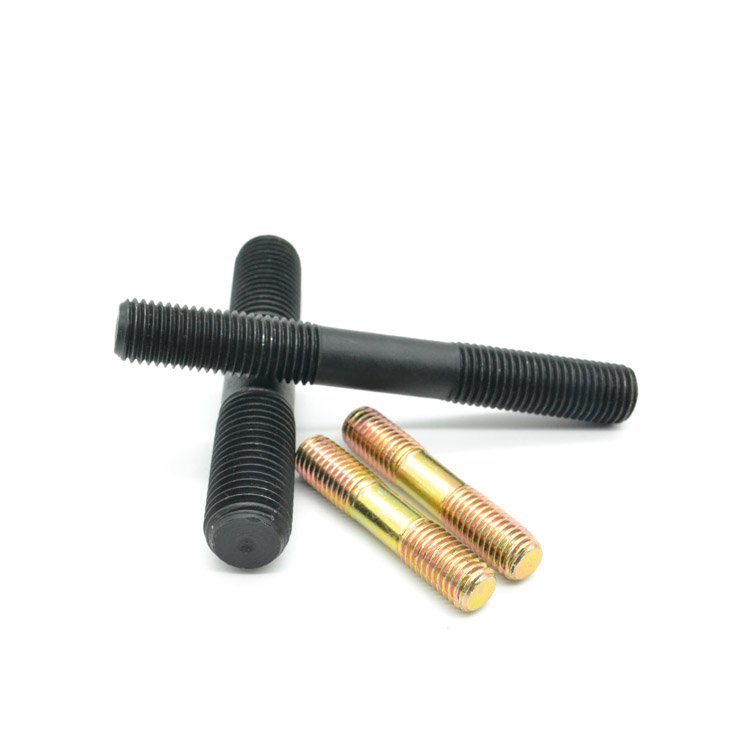
Copper bolts are fasteners characterized by their composition, predominantly copper or copper alloys. They occupy a specific niche within the broader fastener industry, differentiated by their conductive properties, corrosion resistance in specific environments, and relatively lower shear strength compared to steel alloys. Their primary application spans marine environments, electrical systems, plumbing, and specialized industrial equipment where galvanic corrosion needs to be minimized or electrical conductivity is required. The selection of copper bolts over other materials represents a trade-off analysis considering these properties, cost, and operational requirements. Core performance metrics include tensile strength, yield strength, elongation, conductivity (expressed in %IACS - International Annealed Copper Standard), and corrosion resistance quantified through salt spray testing. The increasing demand for sustainable materials and reduced reliance on ferrous alloys is driving increased interest in the optimized application of copper bolt solutions.
Material Science & Manufacturing
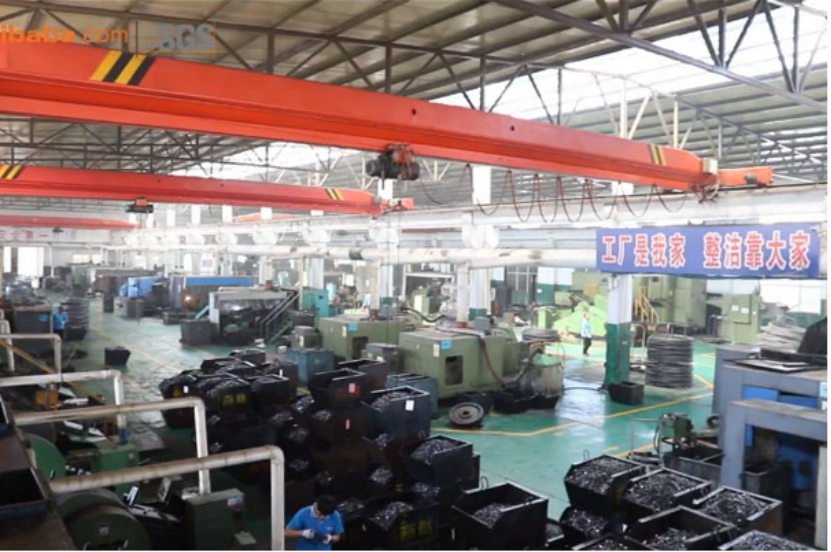
The raw materials for copper bolts typically include commercially pure copper (e.g., C11000), brass alloys (C36000 – naval brass being common for marine applications), and bronze alloys (e.g., C69300 – silicon bronze offering higher strength and corrosion resistance). Commercially pure copper exhibits high electrical conductivity and ductility, while brass offers improved strength and machinability. Bronze, particularly silicon bronze, combines good corrosion resistance with increased mechanical strength. Manufacturing processes commonly employed include cold heading for high-volume production of smaller diameter bolts. This process involves impacting a wire of the chosen copper alloy between dies to form the head and shape the shank. Hot forging is utilized for larger diameter bolts, offering better control over grain structure and resulting in higher strength. Machining, including turning, milling, and threading, is crucial for achieving precise dimensions and thread tolerances. Critical parameters during cold heading include die geometry, lubrication, and impact velocity to prevent cracking and ensure material flow. During hot forging, temperature control, forging pressure, and cooling rates are paramount to optimize microstructure. Thread rolling, as opposed to cutting threads, is preferred to maintain the grain flow around the threads, enhancing strength and fatigue resistance. Post-processing steps often include surface treatment such as polishing or passivation to further improve corrosion resistance.
Performance & Engineering
The performance of copper bolts is dictated by several engineering considerations. Force analysis, especially shear and tensile loading, is critical in determining appropriate bolt size and alloy selection. Copper alloys exhibit a lower elastic modulus than steel, leading to greater elongation under load. This necessitates tighter tolerance control in applications with critical dimensional stability. Environmental resistance is a significant concern. While copper exhibits good corrosion resistance in many environments, it is susceptible to localized corrosion in the presence of chlorides (marine environments) or ammonia. Galvanic corrosion is a major consideration when copper bolts are used in contact with dissimilar metals; appropriate isolation techniques (e.g., insulating washers) must be employed. Compliance requirements vary based on the intended application. Marine applications are often governed by standards such as Lloyd's Register or ABS. Electrical applications require adherence to UL standards for conductivity and safety. Fatigue performance is a key factor in applications subject to cyclical loading. The relatively lower fatigue strength of copper alloys necessitates careful consideration of stress concentration factors around the threads and head. Finite Element Analysis (FEA) is frequently employed to model stress distribution and optimize bolt geometry for specific loading scenarios. The creep resistance of copper alloys at elevated temperatures is limited, restricting their use in high-temperature applications. Temperature fluctuations can also affect preload, impacting the joint’s integrity.
Technical Specifications
| Material Grade | Tensile Strength (MPa) | Yield Strength (MPa) | Elongation (%) |
|---|---|---|---|
| C11000 (Commercially Pure Copper) | 220 | 70 | 45 |
| C36000 (Naval Brass) | 450 | 230 | 30 |
| C69300 (Silicon Bronze) | 550 | 310 | 20 |
| ASTM B16 (Copper Alloy Fasteners) - General | Variable (based on alloy) | Variable (based on alloy) | Variable (based on alloy) |
| Conductivity (%IACS) - C11000 | >100 | N/A | N/A |
| Salt Spray Resistance (hours, 5% NaCl) - C69300 | >1000 | N/A | N/A |
Failure Mode & Maintenance
Copper bolts are susceptible to several failure modes. Galvanic corrosion, as previously mentioned, is a primary concern, leading to accelerated degradation when in contact with dissimilar metals in an electrolyte. Crevice corrosion can occur in tight spaces, particularly in marine environments, promoting localized attack. Dezincification, a selective leaching of zinc from brass alloys, weakens the material and can lead to catastrophic failure. Fatigue cracking can initiate at stress concentrators, such as thread roots or under the bolt head, particularly under cyclic loading. Hydrogen embrittlement, induced by exposure to hydrogen-containing environments, can reduce ductility and increase susceptibility to cracking. Oxidation, while slower than with ferrous materials, can still occur at elevated temperatures. Maintenance involves regular inspection for signs of corrosion, particularly in harsh environments. Protective coatings (e.g., conformal coatings for electrical applications, corrosion inhibitors for marine applications) can be applied to mitigate corrosion. Periodic torque checks are essential to maintain preload and prevent loosening due to creep or vibration. Damaged or corroded bolts should be replaced promptly. Lubrication with compatible compounds (avoiding those containing ammonia or chlorides) can reduce friction and prevent galling during installation and removal. Avoid using dissimilar metal tools for tightening or loosening, as this can introduce galvanic corrosion.
Industry FAQ
Q: What are the advantages of using silicon bronze bolts over brass in a saltwater environment?
A: Silicon bronze (C69300) offers significantly superior corrosion resistance in saltwater environments compared to brass (C36000). This is due to the formation of a protective oxide layer and a lower susceptibility to dezincification, a common corrosion mechanism in brass. While brass is more affordable, silicon bronze provides a longer service life and reduces the risk of premature failure in marine applications, justifying the higher initial cost.
Q: How do I prevent galvanic corrosion when using copper bolts with stainless steel components?
A: Galvanic corrosion occurs when dissimilar metals are in contact in an electrolyte. To prevent it, electrically isolate the copper bolt from the stainless steel using non-conductive washers or sleeves. Applying a barrier coating to the copper bolt, such as a zinc-rich primer, can also help. Consider using a compatible lubricant that does not promote corrosion. Careful design to avoid creating a corrosive cell is crucial.
Q: What is the impact of temperature on the preload of a copper bolt?
A: Copper alloys have a higher coefficient of thermal expansion than steel. This means that as temperature increases, the bolt will elongate, reducing the preload. Conversely, as temperature decreases, the bolt will contract, increasing preload. This temperature sensitivity needs to be considered in applications with significant temperature fluctuations, potentially requiring retorquing or the use of specialized bolt designs that compensate for thermal expansion.
Q: What thread locking methods are compatible with copper bolts?
A: Traditional thread locking methods like nylon insert locknuts can be used with copper bolts. However, avoid using aggressive locking compounds that contain chlorides or other corrosive substances. Mechanical locking methods, such as cotter pins or safety wire, are often preferred to avoid introducing potentially corrosive materials into the joint. Ensure that any locking method doesn’t compromise the electrical conductivity if that's a critical requirement.
Q: What are the limitations of using copper bolts in high-vibration applications?
A: Copper alloys generally have lower fatigue strength than steel alloys. High vibration can lead to fatigue cracking, particularly at stress concentrators like thread roots. Careful bolt selection (choosing a higher strength alloy like silicon bronze), proper preload, and vibration damping techniques are crucial to mitigate this risk. Regular inspection for loosening or cracking is also essential in these applications.
Conclusion
Copper bolts offer a unique combination of properties—conductivity, corrosion resistance in specific environments, and machinability—making them suitable for a defined range of applications where steel alloys are less desirable. Understanding the material science of various copper alloys (pure copper, brass, and bronze) is crucial for selecting the optimal material for a given application. Manufacturing processes, from cold heading to machining, significantly influence the final bolt’s mechanical properties and dimensional accuracy.
However, the limitations of copper bolts, including their lower strength and susceptibility to specific corrosion mechanisms like galvanic corrosion and dezincification, must be carefully considered. Effective maintenance practices, including regular inspection, protective coatings, and proper torque control, are essential for ensuring long-term reliability and preventing premature failure. Continued research into novel copper alloys and surface treatments will further expand the applicability of copper bolts in demanding industrial environments.