
Introduction
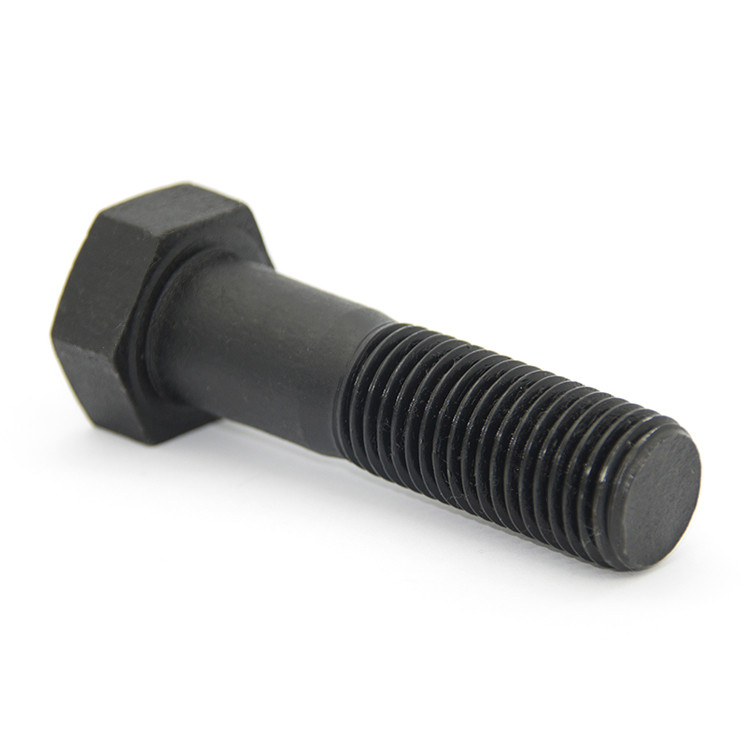
Closet bolts are a critical, yet often overlooked, fastening component within the residential and commercial construction industries. Their primary function is to securely anchor toilet flanges to the subfloor, providing a stable and leak-proof connection for sanitaryware installation. Unlike through-bolts requiring access from below, closet bolts are installed from above, making them essential for retrofit scenarios and finished floor installations. The performance of a closet bolt is directly correlated to long-term sanitary system integrity, preventing costly water damage and ensuring code compliance. This guide details the material science, manufacturing processes, performance characteristics, failure modes, and industry standards pertinent to closet bolt selection and installation, addressing core concerns of plumbing engineers, installers, and procurement managers.
Material Science & Manufacturing
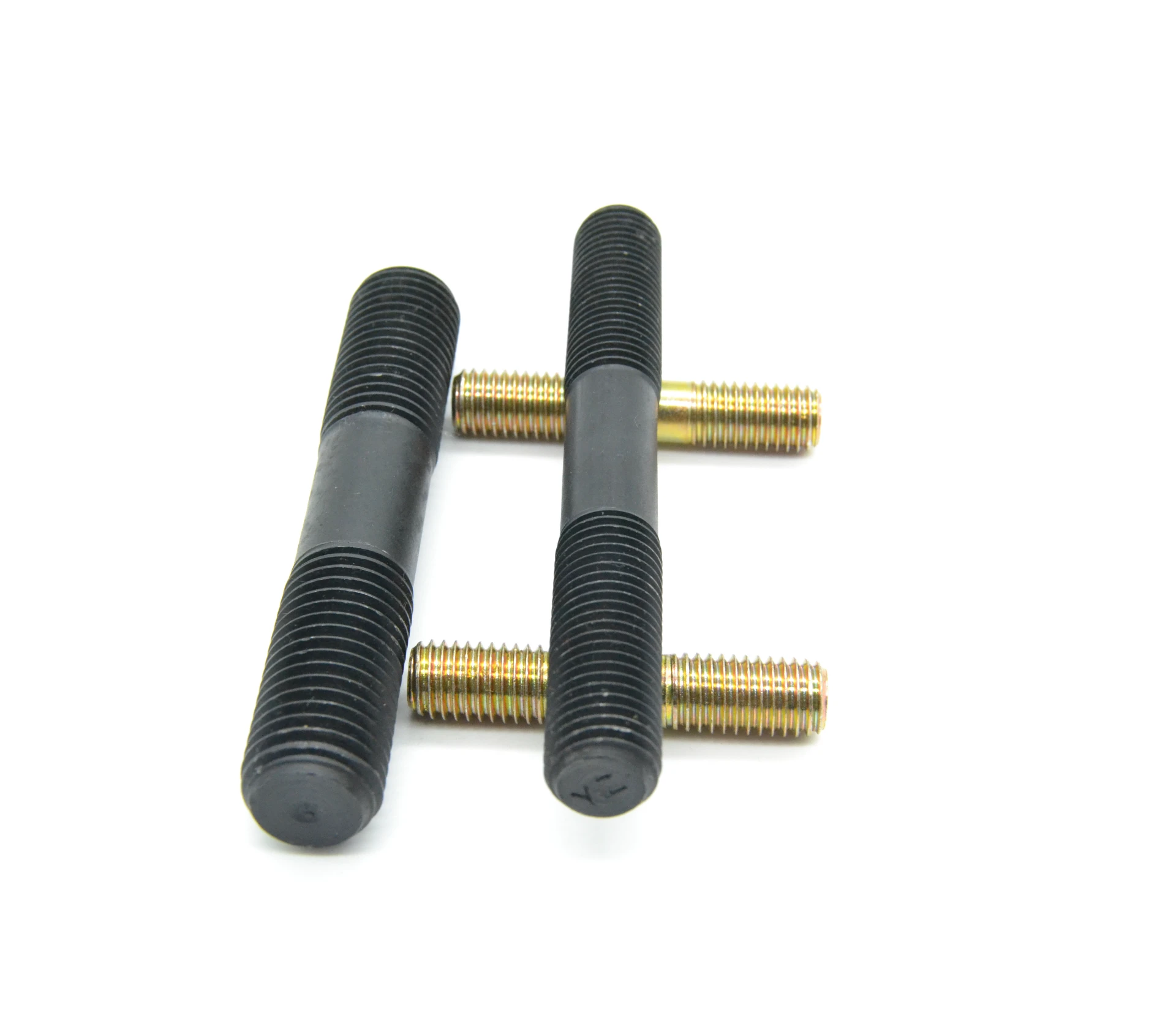
Closet bolts are predominantly manufactured from brass, stainless steel (typically 304 or 316), or zinc-plated steel. Brass alloys, such as C36000 (free-cutting brass), offer excellent machinability for bolt head and thread forming. However, brass is susceptible to dezincification in certain water chemistries, leading to corrosion. Stainless steel provides superior corrosion resistance, particularly 316 grade which includes molybdenum for enhanced chloride resistance. Zinc-plated steel offers a cost-effective solution, but the zinc coating provides limited long-term protection against corrosion and is prone to galvanic corrosion when in contact with dissimilar metals. The manufacturing process typically involves cold heading for bolt body formation, followed by machining for thread cutting (typically UNC or NPSM threads) and head shaping. Bolt heads are often manufactured with a wing nut or a traditional hex nut configuration for easy installation. Critical parameters include thread pitch accuracy, head tensile strength, and coating thickness (for zinc-plated variants). Surface finish is important; a smooth, burr-free surface minimizes friction during installation and maximizes seating surface contact. Material hardness, verified via Rockwell hardness testing, directly impacts the bolt's resistance to stripping and shear failure during tightening.
Performance & Engineering
The primary performance requirement of a closet bolt is to maintain a secure and watertight connection between the toilet flange and the subfloor. This necessitates adequate tensile strength to withstand the weight of the toilet and user load, as well as shear strength to resist rotational forces. A typical design safety factor of 3:1 is employed. Force analysis considers both static loads (toilet weight) and dynamic loads (user weight and movement). Environmental resistance is crucial, particularly in bathrooms prone to high humidity and exposure to cleaning chemicals. Corrosion resistance directly impacts long-term performance. The flange-to-subfloor connection must resist movement and maintain compression on the wax ring or compression gasket to prevent sewage leakage. Engineering considerations include thread engagement length (minimum 6 threads for adequate holding power), bolt diameter (typically 1/4" or 5/16"), and the compatibility of the bolt material with the flange material (avoiding galvanic corrosion). Code compliance, specifically with the International Plumbing Code (IPC) and local building codes, dictates acceptable materials and installation practices. A critical aspect is the bolt's resistance to loosening over time due to vibration and thermal expansion/contraction cycles.
Technical Specifications
| Material | Diameter | Length (in.) | Thread Type | Tensile Strength (psi) | Corrosion Resistance |
|---|---|---|---|---|---|
| Brass (C36000) | 1/4" | 3" | UNC | 70,000 | Moderate (Susceptible to Dezincification) |
| Stainless Steel (304) | 1/4" | 3" | UNC | 90,000 | Excellent |
| Stainless Steel (316) | 1/4" | 3" | UNC | 80,000 | Superior (Chloride Resistant) |
| Zinc-Plated Steel | 1/4" | 3" | UNC | 60,000 | Limited (Prone to Galvanic Corrosion) |
| Brass (C36000) | 5/16" | 3.5" | NPSM | 75,000 | Moderate (Susceptible to Dezincification) |
| Stainless Steel (304) | 5/16" | 3.5" | NPSM | 95,000 | Excellent |
Failure Mode & Maintenance
Common failure modes for closet bolts include thread stripping during overtightening, corrosion leading to bolt fracture, and loosening due to vibration. Thread stripping is particularly prevalent with brass bolts and improper installation techniques. Corrosion, particularly in brass or zinc-plated steel, weakens the bolt material and reduces its tensile strength. Galvanic corrosion can accelerate this process when dissimilar metals are in contact. Loosening occurs due to repeated loading and unloading, as well as thermal expansion and contraction. Preventative maintenance involves periodic inspection for signs of corrosion or loosening. If a bolt shows signs of corrosion, it should be replaced immediately. Overtightening should be avoided; a torque wrench should be used to ensure proper tightening without stripping the threads. When replacing a bolt, ensure the new bolt is compatible with the flange material to prevent galvanic corrosion. Periodic tightening of the bolt (every 6-12 months) can help prevent loosening. If a flange is damaged or deteriorated, it should be replaced along with the closet bolts. Failure analysis of fractured bolts often reveals the root cause to be material defects or improper installation.
Industry FAQ
Q: What is the primary advantage of using stainless steel closet bolts over brass?
A: Stainless steel offers significantly superior corrosion resistance compared to brass, particularly in environments exposed to harsh chemicals or varying water chemistries. While brass is more cost-effective, stainless steel provides a longer service life and reduces the risk of premature failure due to corrosion, which is crucial for maintaining sanitary system integrity.
Q: What thread type is generally preferred for closet bolts, and why?
A: UNC (Unified National Coarse) threads are commonly used, but NPSM (National Pipe Straight Mechanical) threads are gaining preference, especially in new installations. NPSM threads provide a tighter, more secure connection due to their shallower angle and are less prone to cross-threading.
Q: How can I prevent thread stripping during closet bolt installation?
A: Avoid overtightening. Use a torque wrench set to the manufacturer's recommended torque specification for the bolt material and size. Ensure the threads on both the bolt and the flange are clean and free of debris. Apply a small amount of thread sealant to lubricate the threads and prevent galling.
Q: What is dezincification, and how does it affect brass closet bolts?
A: Dezincification is a corrosion process where zinc is selectively leached from brass alloys, leaving behind a porous copper structure. This weakens the bolt, reduces its tensile strength, and eventually leads to failure. It's more common in brass exposed to soft, acidic water.
Q: What is the recommended practice regarding galvanic corrosion when using different metals in a sanitary system?
A: To minimize galvanic corrosion, avoid direct contact between dissimilar metals (e.g., brass and stainless steel). If contact is unavoidable, use a dielectric union or a corrosion-inhibiting compound to isolate the metals. Stainless steel is generally preferred for components in contact with dissimilar metals to act as the more noble metal and minimize corrosion of the less noble metal.
Conclusion
Closet bolts represent a seemingly simple component with a surprisingly complex interplay of material science, engineering principles, and installation best practices. The selection of the appropriate material – brass, stainless steel, or zinc-plated steel – hinges on a careful consideration of the operating environment, budget constraints, and long-term reliability requirements. Proper installation, avoiding overtightening and ensuring compatibility between materials, is paramount to preventing premature failure and maintaining a watertight sanitary system connection.
Continued advancements in materials and manufacturing techniques are driving the development of more durable and corrosion-resistant closet bolts. Future trends may include the incorporation of specialized coatings and alloys to further enhance performance and longevity. Understanding the potential failure modes and implementing proactive maintenance strategies are crucial for ensuring the long-term integrity of sanitary systems and minimizing the risk of costly water damage.