
Introduction
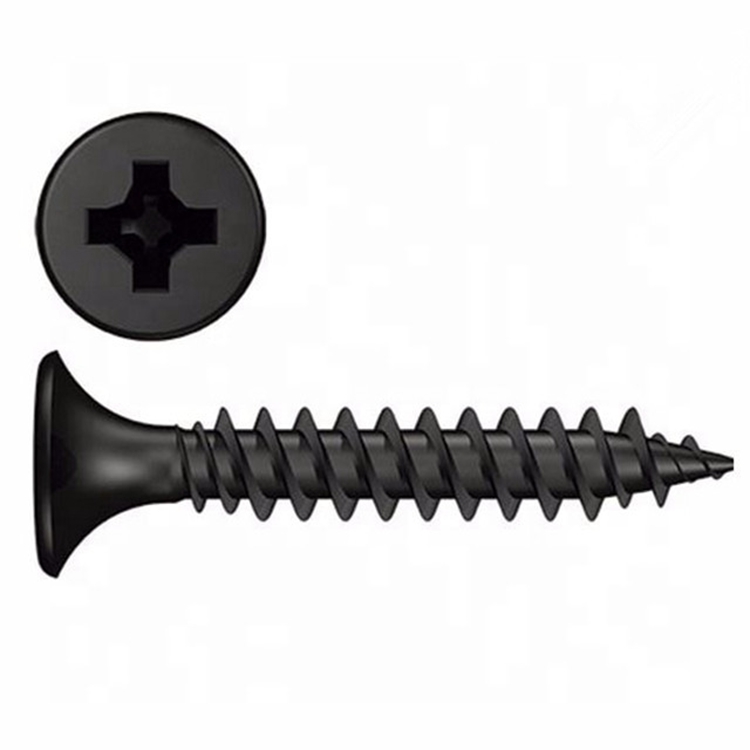
Assorted nuts and bolts represent a fundamental fastening solution across a vast spectrum of industries, including automotive, aerospace, construction, and manufacturing. These components, individually simple yet collectively critical, provide the mechanical means to join materials, resist vibrational forces, and maintain structural integrity. The technical position of nuts and bolts lies within the realm of mechanical engineering, materials science, and precision manufacturing. Their core performance characteristics – tensile strength, yield strength, corrosion resistance, and fatigue life – directly impact the reliability and longevity of assembled products. A key pain point in industry lies in accurately specifying the correct nut and bolt grade and material for the application environment to prevent premature failure and costly maintenance. Furthermore, ensuring consistent dimensional accuracy and surface finish is vital for optimal performance and preventing issues such as galling or loosening.
Material Science & Manufacturing
The most common materials for nuts and bolts are carbon steel, alloy steel, stainless steel, and brass. Carbon steel, particularly medium carbon steel (typically 1018-1045 steel), offers a good balance of strength and cost-effectiveness. Alloy steels, containing elements like chromium, molybdenum, and nickel, are heat-treated to achieve higher strength and toughness. Stainless steels (such as 304, 316) provide exceptional corrosion resistance, crucial in outdoor or chemically aggressive environments. Brass, while softer, is valued for its corrosion resistance and electrical conductivity. Manufacturing processes primarily include cold heading, machining, and thread rolling. Cold heading forms the bolt head by plastically deforming the wire, enhancing grain flow and increasing strength. Machining is used for larger bolt sizes or when higher dimensional precision is required. Thread rolling, a cold-forming process, creates threads with excellent surface finish and improved fatigue resistance. Critical parameters during manufacturing include die lubrication (for cold heading), cutting tool geometry and speeds (for machining), and roll thread profile accuracy (for thread rolling). Heat treatment, including quenching and tempering, is essential for achieving desired mechanical properties. Surface treatments like zinc plating, black oxide, or hot-dip galvanizing enhance corrosion resistance.
Performance & Engineering
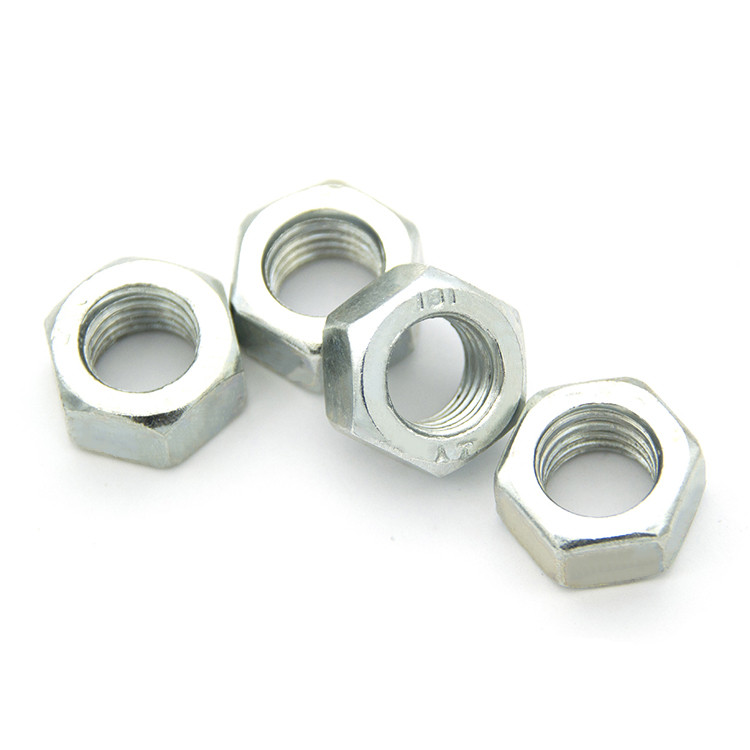
Performance analysis of nuts and bolts centers around their ability to withstand tensile, shear, and torsional loads. Tensile strength, measured in MPa or psi, represents the maximum stress the bolt can bear before fracture. Yield strength indicates the point at which permanent deformation begins. Preload, the initial tightening force applied to the bolt, is crucial for achieving a secure joint and preventing loosening. Fatigue life is a critical consideration in applications subject to cyclic loading, such as automotive engine components or aircraft structures. Finite element analysis (FEA) is frequently employed to model stress distributions and predict fatigue performance. Environmental resistance is another key factor. Corrosion can significantly reduce the load-carrying capacity of bolts. Galvanic corrosion, occurring when dissimilar metals are in contact in the presence of an electrolyte, must be avoided through material selection or the use of isolating coatings. Compliance requirements are dictated by industry standards (detailed in the footer) and may involve specific material certifications, traceability requirements, and testing protocols. The selection of appropriate washers is also critical; split washers provide spring force to maintain preload, while flat washers distribute load and protect the bearing surface.
Technical Specifications
| Grade (SAE/ASTM) | Tensile Strength (MPa) | Yield Strength (MPa) | Hardness (Rockwell C) |
|---|---|---|---|
| Grade 2 (5/8-11 UNC) | 400 | 240 | C15-C25 |
| Grade 5 (1/4-20 UNC) | 690 | 480 | C30-C38 |
| Grade 8 (3/8-16 UNC) | 830 | 690 | C33-C39 |
| A2 Stainless Steel (M8 x 1.25) | 700 | 200 | C22-C32 |
| A4 Stainless Steel (M10 x 1.5) | 1000 | 280 | C25-C35 |
| Brass (1/4-20 UNC) | 414 | 120 | C26-C30 |
Failure Mode & Maintenance
Common failure modes for nuts and bolts include tensile failure (fracture under excessive tension), shear failure (fracture under shear stress), stripping of threads (due to excessive torque or material incompatibility), fatigue failure (crack initiation and propagation under cyclic loading), and corrosion-induced failure (weakening of the material due to corrosion). Hydrogen embrittlement, a phenomenon where hydrogen atoms diffuse into the metal lattice, can significantly reduce ductility and promote brittle fracture, particularly in high-strength steels. Galling, caused by adhesive wear between mating threads, can lead to seizing and difficulty in disassembly. Maintenance strategies include regular visual inspection for signs of corrosion, damage, or loosening. Torque monitoring during installation is critical to ensure proper preload without exceeding the yield strength. Lubrication with appropriate thread compounds can reduce friction and prevent galling. For critical applications, periodic bolt replacement based on fatigue life estimations is recommended. In corrosive environments, applying protective coatings and using corrosion-resistant materials are essential. Ultrasonic testing and magnetic particle inspection can be used for non-destructive evaluation to detect internal cracks or flaws.
Industry FAQ
Q: What is the impact of thread pitch on bolt strength?
A: A finer thread pitch generally increases the tensile stress area of the bolt, resulting in a higher tensile strength. However, it also increases the susceptibility to stripping if not properly lubricated or if cross-threading occurs. Conversely, a coarser thread pitch is easier to assemble but offers a smaller stress area.
Q: How does heat treatment affect the mechanical properties of a bolt?
A: Heat treatment, such as quenching and tempering, dramatically alters the microstructure of the steel, impacting its strength, hardness, and ductility. Quenching increases hardness but reduces ductility, while tempering restores some ductility while maintaining a high level of strength. Proper heat treatment is crucial for achieving the desired mechanical properties.
Q: What are the advantages of using stainless steel bolts over carbon steel bolts?
A: Stainless steel bolts offer superior corrosion resistance, making them ideal for outdoor or chemically aggressive environments. While generally less strong than comparable carbon steel bolts, the increased corrosion resistance often outweighs the strength difference in specific applications. Different grades of stainless steel (e.g., 304, 316) offer varying levels of corrosion protection.
Q: What is the role of preload in bolted joint performance?
A: Preload is the initial tension applied to the bolt during tightening. It creates clamping force between the joined materials, preventing slippage and distributing the load. Proper preload significantly improves the joint's fatigue resistance and reduces the risk of loosening due to vibration. Insufficient preload can lead to joint failure, while excessive preload can cause bolt yielding or fracture.
Q: How do I determine the correct bolt grade for my application?
A: Determining the correct bolt grade requires careful consideration of the applied load, operating environment, and safety factors. A thorough stress analysis should be performed to calculate the required tensile strength and yield strength. The operating temperature, corrosive potential, and potential for fatigue loading must also be considered. Consulting with a qualified engineer is recommended for critical applications.
Conclusion
Assorted nuts and bolts are deceptively complex components whose performance is dictated by a confluence of material science, manufacturing precision, and engineering design. Selecting the appropriate grade, material, and surface treatment is paramount to ensuring the long-term reliability and safety of assembled products. A deep understanding of failure modes, coupled with proactive maintenance strategies, is crucial for mitigating risks and preventing costly downtime.
Future advancements in fastener technology will likely focus on developing new materials with enhanced strength-to-weight ratios, exploring innovative coating technologies for improved corrosion resistance, and integrating smart fastener systems with embedded sensors for real-time monitoring of preload and structural integrity. Continued research and development in these areas will be essential for meeting the evolving demands of increasingly complex engineering applications.