
Introduction
ARP SBC Header Bolts represent a critical fastening component within the Small Block Chevrolet (SBC) engine’s exhaust system. Unlike standard hardware, these bolts are engineered specifically to withstand the extreme thermal cycling, vibration, and corrosive environments inherent in high-performance automotive applications. Their technical position in the industry chain lies between material science (alloy composition, heat treatment) and engine assembly, directly impacting exhaust manifold sealing and performance longevity. Core performance characteristics include superior tensile strength, fatigue resistance, corrosion protection, and precise clamping force retention – essential for preventing exhaust leaks and maintaining consistent engine backpressure. The widespread adoption of these bolts reflects a growing demand for reliable, high-quality fasteners in the aftermarket automotive performance sector. Addressing common issues of header gasket leaks and bolt fatigue is a key pain point they solve for performance enthusiasts and professional engine builders.
Material Science & Manufacturing
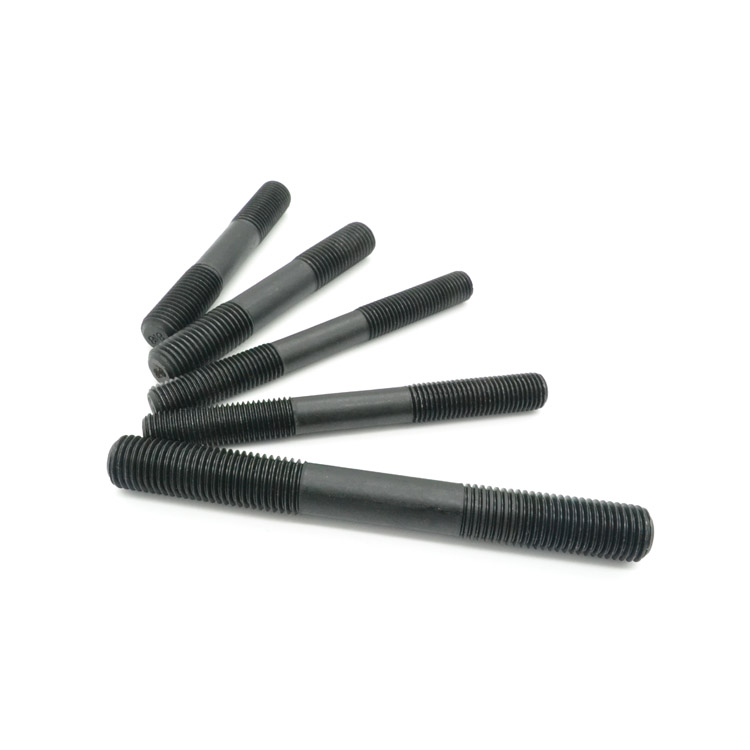
ARP SBC Header Bolts are predominantly manufactured from 8740 chromoly steel. This alloy offers a high strength-to-weight ratio, excellent ductility, and superior resistance to fatigue compared to conventional carbon steels. The manufacturing process begins with hot forging of the 8740 steel, creating the initial bolt blank. This forging process aligns the grain structure, enhancing strength. Following forging, the bolts undergo precision machining to achieve the required dimensions and thread specifications. Critical parameters controlled during machining include thread pitch, diameter, and length tolerances, ensuring accurate fitment and optimal clamping force. Subsequent to machining, a proprietary heat-treating process is applied. This involves austenitizing, quenching, and tempering. Austenitizing heats the steel to a specific temperature to transform its microstructure, followed by rapid quenching to harden the material. Tempering then reduces brittleness and improves toughness. Finally, the bolts receive a surface treatment – typically black oxide – for corrosion resistance. The black oxide coating is a conversion coating that creates a protective layer. Quality control measures at each stage, including non-destructive testing (NDT) such as magnetic particle inspection, are essential to identify any material defects or inconsistencies. Hydrogen embrittlement is a potential issue during the heat treatment and black oxide processes, necessitating careful control of process parameters and post-treatment baking cycles.
Performance & Engineering
The performance of ARP SBC Header Bolts is fundamentally linked to their ability to maintain clamping force under extreme conditions. Exhaust manifolds are subject to significant thermal expansion and contraction cycles. This creates tensile and shear stresses on the bolts. Finite Element Analysis (FEA) is employed during the design phase to optimize bolt geometry (shank diameter, thread engagement length) and material selection to minimize stress concentration. The bolts are designed to yield at a controlled stress level, providing a safety margin against failure. Clamping force is directly related to bolt preload, which is achieved through precise torque specifications. Exceeding the specified torque can lead to bolt stretch and eventual fatigue failure, while insufficient torque results in inadequate sealing and potential exhaust leaks. The bolts' corrosion resistance is vital in mitigating galvanic corrosion, which occurs when dissimilar metals (e.g., steel bolts and aluminum heads) are in contact in the presence of an electrolyte. The black oxide coating provides a degree of protection, but the use of anti-seize lubricant during installation is crucial. Compliance with automotive industry standards regarding fastener materials, dimensions, and performance is essential. The bolts must also meet specific requirements for thread engagement length and proof load to ensure structural integrity. Fatigue life is a primary design consideration, and ARP utilizes extensive testing protocols to validate the bolts' ability to withstand prolonged cyclic loading.
Technical Specifications
| Bolt Diameter (in) | Thread Pitch (TPI) | Material | Tensile Strength (PSI) |
|---|---|---|---|
| 7/16 | 20 | 8740 Chromoly Steel | 190,000 |
| 7/16 | 24 | 8740 Chromoly Steel | 190,000 |
| 1/2 | 20 | 8740 Chromoly Steel | 190,000 |
| 1/2 | 24 | 8740 Chromoly Steel | 190,000 |
| 9/16 | 18 | 8740 Chromoly Steel | 190,000 |
| 9/16 | 24 | 8740 Chromoly Steel | 190,000 |
Failure Mode & Maintenance
Common failure modes for ARP SBC Header Bolts include fatigue cracking, thread stripping, and corrosion. Fatigue cracking typically initiates at stress concentration points, such as thread roots or bolt heads, due to repeated thermal and mechanical loading. Thread stripping can occur if the bolts are over-torqued or if the threads in the exhaust manifold or cylinder head are damaged. Corrosion, particularly galvanic corrosion, can weaken the bolts and lead to failure. Oxidation can also contribute to material degradation over extended periods. Failure analysis often reveals that improper installation (e.g., lack of anti-seize lubricant, incorrect torque) is a significant contributing factor. Preventive maintenance includes periodic inspection of the bolts for signs of corrosion, cracking, or thread damage. Retorquing the bolts after initial heat cycles is recommended to compensate for gasket compression and thermal expansion. If corrosion is detected, the bolts should be replaced. It is also important to ensure that the threads in the exhaust manifold and cylinder head are clean and free of debris before installing new bolts. Avoid using excessive force during installation, and always use a calibrated torque wrench. Proper lubrication with anti-seize compound is vital to prevent galling and facilitate future removal. Regularly check for exhaust leaks which may indicate bolt failure or gasket issues.
Industry FAQ
Q: What is the advantage of using ARP bolts over standard hardware for header installation?
A: Standard header bolts are often made from lower-grade steel and lack the heat treatment and surface finishes necessary to withstand the extreme conditions of a high-performance engine. ARP bolts offer significantly higher tensile strength, fatigue resistance, and corrosion protection, reducing the risk of failure and exhaust leaks.
Q: Is it necessary to use anti-seize lubricant with ARP bolts?
A: Yes. While ARP bolts have a black oxide finish for corrosion resistance, anti-seize lubricant is crucial to prevent galling (metal-to-metal seizing) during installation and removal, and to further protect against corrosion, especially in applications involving dissimilar metals.
Q: What is the recommended torque specification for ARP SBC Header Bolts?
A: Torque specifications vary depending on bolt size and application. ARP provides detailed torque charts and instructions specific to their bolts. It’s critical to consult the ARP catalog or website for the correct specifications and use a calibrated torque wrench.
Q: Can ARP bolts be reused after disassembly?
A: While ARP bolts are durable, they are generally considered single-use components. The heat treatment process can be altered during use, and microscopic cracks may develop that are not visible to the naked eye. For optimal reliability, it is recommended to replace ARP bolts upon disassembly.
Q: What is the role of preload in the performance of these bolts?
A: Preload, achieved through proper torque, is critical. It creates clamping force between the exhaust manifold and cylinder head, sealing the exhaust gases. Insufficient preload leads to leaks, while excessive preload can stretch and weaken the bolts, causing fatigue failure.
Conclusion
ARP SBC Header Bolts represent a significant advancement in exhaust fastening technology, specifically addressing the limitations of conventional hardware in high-performance engine applications. Their superior material composition, precision manufacturing, and optimized design contribute to enhanced reliability, reduced exhaust leaks, and prolonged engine life. By understanding the material science, manufacturing processes, and performance characteristics of these bolts, engine builders and technicians can maximize their effectiveness and ensure optimal sealing and durability.
Looking ahead, continued advancements in material science and surface treatment technologies will likely lead to even more robust and corrosion-resistant header bolts. Furthermore, the integration of advanced monitoring systems, such as strain gauges, could provide real-time feedback on bolt preload and identify potential failure mechanisms before they occur. The continued demand for high-performance engine components will drive innovation in fastener technology, ensuring that ARP and similar manufacturers remain at the forefront of exhaust system reliability.