
Introduction
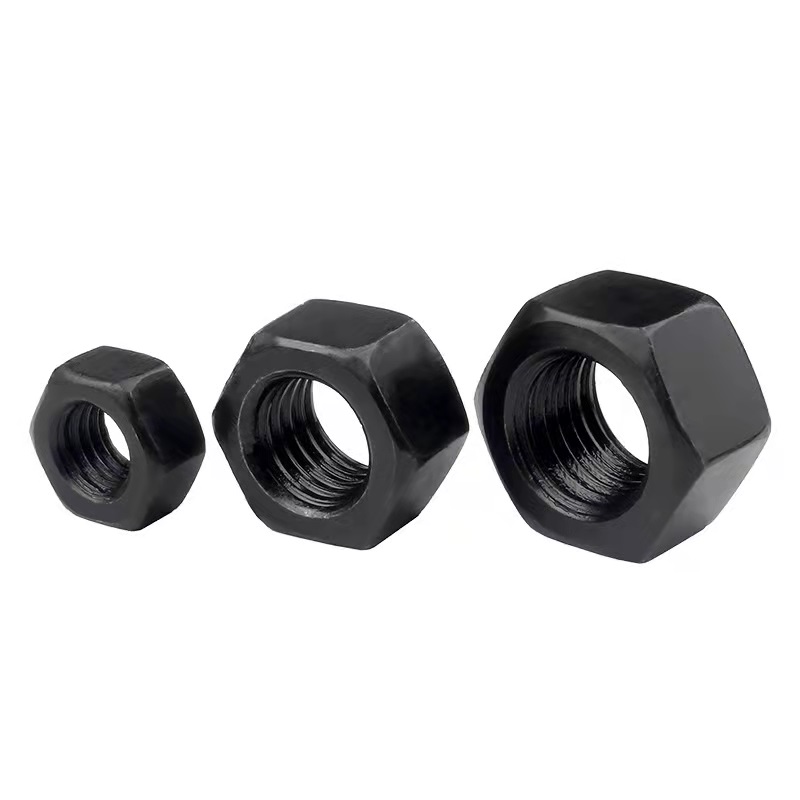
ARP flywheel bolts are high-performance fasteners specifically designed for securing flywheels to crankshafts in high-stress engine applications. These bolts represent a critical component within the rotating assembly, responsible for transmitting torque from the engine to the drivetrain. Unlike standard flywheel bolts, ARP bolts utilize aerospace-grade materials and precise manufacturing processes to deliver superior clamping force, fatigue resistance, and overall reliability. Their primary function is to prevent flywheel slippage or separation during engine operation, a failure mode that can lead to catastrophic engine damage. The demand for ARP flywheel bolts arises from the limitations of OEM hardware in modified or high-horsepower engines, where increased torsional loads necessitate a more robust fastening solution. The industry chain positions ARP as a specialized supplier to engine builders, racing teams, and performance automotive enthusiasts, addressing a critical need for dependable power transmission components.
Material Science & Manufacturing
ARP flywheel bolts are predominantly manufactured from 8740 steel, a chromium-molybdenum alloy known for its exceptional strength, toughness, and fatigue resistance. The steel undergoes a meticulous heat treatment process involving hardening and tempering to achieve a Rockwell C hardness of 34-36, optimizing the balance between strength and ductility. The alloy composition typically includes 0.85-0.90% Carbon, 0.40-0.55% Manganese, 0.20-0.30% Silicon, 0.25-0.35% Molybdenum, and 0.80-1.10% Chromium. Surface finishing commonly involves black oxide coating to provide corrosion resistance and reduce reflectivity. Manufacturing processes begin with cold forging to enhance grain structure and improve mechanical properties. Precise CNC machining ensures dimensional accuracy and thread quality. Critical parameters include thread pitch diameter, bolt length, underhead clearance, and clamping force. ARP utilizes proprietary manufacturing techniques, including a special thread rolling process, to create threads with increased shear strength and reduced stress concentration. Quality control involves rigorous dimensional inspection, hardness testing, and non-destructive testing (NDT) methods like magnetic particle inspection (MPI) to detect surface cracks and ensure structural integrity. Material traceability is maintained throughout the entire production process, from raw material sourcing to final product inspection. Chemical compatibility is considered during material selection; ARP bolts are compatible with most engine oils and coolants but prolonged exposure to corrosive fluids should be avoided.
Performance & Engineering
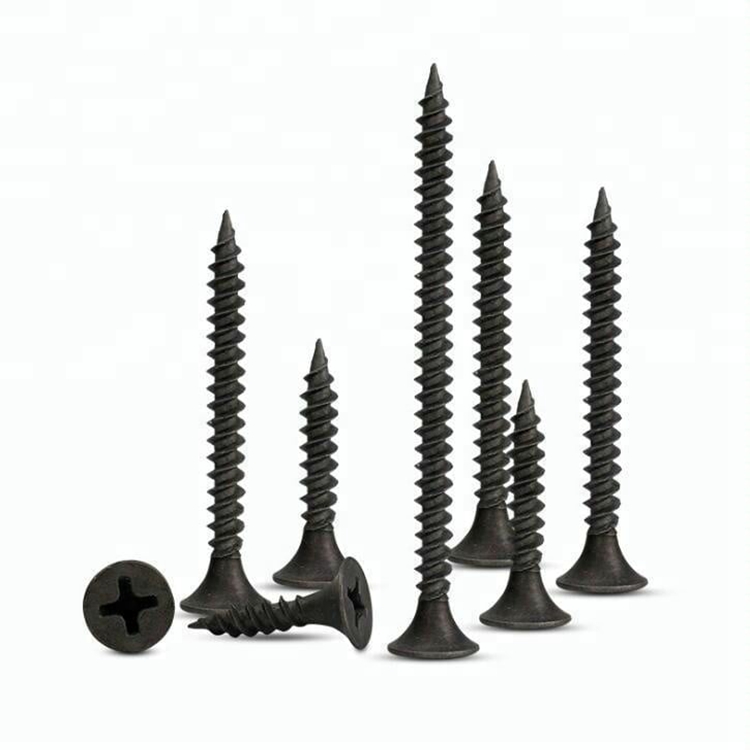
The performance of ARP flywheel bolts is dictated by their ability to withstand extreme torsional shear and tensile loads induced by engine combustion events. Force analysis focuses on calculating the shear stress acting on the bolt threads and the tensile stress within the bolt shank. Finite Element Analysis (FEA) is employed during the design phase to optimize bolt geometry and material distribution to minimize stress concentrations. Clamping force, a crucial performance parameter, is determined by the bolt preload and material properties. ARP bolts are designed to achieve a high preload, typically 80-90% of their yield strength, ensuring tight contact between the flywheel and crankshaft. Environmental resistance is also a key consideration. Operating temperatures can range from -40°C to 200°C, requiring materials with stable mechanical properties within this range. Vibration fatigue is another critical factor, particularly in racing applications. ARP bolts are designed to resist fatigue failure through a combination of high-strength materials, precise manufacturing, and surface treatments. Compliance requirements include adherence to industry standards such as SAE J1926 for high-strength fasteners. Functional implementation involves proper installation procedures, including lubrication of bolt threads with ARP assembly lubricant, torqueing to the manufacturer’s specifications using a calibrated torque wrench, and periodic re-torquing to maintain preload. The bolts are often used in conjunction with ARP’s threadlocking compounds for enhanced security.
Technical Specifications
| Bolt Diameter (in) | Bolt Length (in) | Material | Tensile Strength (PSI) | Yield Strength (PSI) | Clamping Force (lbs) - Typical (Grade 8) |
|---|---|---|---|---|---|
| 0.375 | 1.00 | 8740 Chromoly Steel | 190,000 | 160,000 | 8,000 |
| 0.500 | 1.50 | 8740 Chromoly Steel | 190,000 | 160,000 | 16,000 |
| 0.625 | 2.00 | 8740 Chromoly Steel | 190,000 | 160,000 | 25,000 |
| 0.750 | 2.50 | 8740 Chromoly Steel | 190,000 | 160,000 | 36,000 |
| 0.875 | 3.00 | 8740 Chromoly Steel | 190,000 | 160,000 | 50,000 |
| 1.000 | 3.50 | 8740 Chromoly Steel | 190,000 | 160,000 | 70,000 |
Failure Mode & Maintenance
ARP flywheel bolts, while exceptionally robust, are susceptible to failure through several mechanisms. Fatigue cracking is a primary concern, particularly in high-revving engines subjected to cyclical torsional loading. This typically initiates at stress concentration points, such as thread roots or under the bolt head. Creep, the gradual deformation under sustained load, can occur at elevated operating temperatures, leading to preload loss. Hydrogen embrittlement, induced by exposure to corrosive environments, can reduce the bolt’s ductility and increase its susceptibility to cracking. Improper installation, including insufficient lubrication or incorrect torqueing, can result in preload loss and increased stress on the bolt. Stripped threads in the crankshaft or flywheel are another potential failure mode, often caused by over-torquing or the use of damaged bolts. Maintenance involves periodic re-torquing of the bolts, typically after the first 500 miles of operation and then at regular intervals (e.g., every 3 months in racing applications). Visual inspection for signs of corrosion, cracking, or deformation is also crucial. If any signs of damage are detected, the bolts should be replaced immediately. Use only ARP assembly lubricant during installation to ensure proper lubrication and accurate torque readings. Avoid using penetrating oils, as they can interfere with the clamping force. When removing bolts, use the correct socket size to prevent rounding of the bolt head.
Industry FAQ
Q: What is the advantage of using ARP flywheel bolts over OEM bolts in a high-performance engine?
A: OEM flywheel bolts are typically manufactured from lower-grade materials and designed for stock engine specifications. In high-performance applications, increased horsepower and torque generate significantly higher loads on the flywheel and crankshaft. ARP bolts utilize aerospace-grade 8740 steel, undergo a more rigorous heat treatment process, and offer a significantly higher clamping force, providing superior fatigue resistance and preventing flywheel slippage. They are engineered to withstand the stresses that OEM bolts simply cannot handle.
Q: Is it necessary to use ARP assembly lubricant when installing ARP flywheel bolts?
A: Yes, absolutely. ARP assembly lubricant is specifically formulated to provide consistent friction characteristics during torqueing. Using an incorrect lubricant can significantly affect the preload achieved, potentially leading to insufficient clamping force or over-torquing. ARP lubricant ensures accurate torque readings and maximizes the bolt’s clamping capacity.
Q: What is the recommended torque specification for ARP flywheel bolts?
A: Torque specifications vary depending on the bolt diameter, material, and application. Always refer to the ARP catalog or website for the specific torque values recommended for your engine configuration. It’s crucial to use a calibrated torque wrench and follow the manufacturer’s instructions precisely.
Q: How often should ARP flywheel bolts be re-torqued?
A: Initial re-torque is recommended after the first 500 miles of operation. Following that, a re-torque schedule should be implemented based on the severity of the application. For street engines, re-torqueing every 6 months is generally sufficient. For racing applications, re-torqueing before each race or at intervals of no more than 3 months is recommended.
Q: Can ARP flywheel bolts be reused?
A: ARP bolts are designed for multiple uses, provided they are properly maintained and inspected for damage. However, after repeated use and exposure to high stresses, it’s advisable to replace them as a preventative measure. Any signs of corrosion, cracking, or thread damage necessitate immediate replacement.
Conclusion
ARP flywheel bolts represent a critical upgrade for any engine subjected to increased stress levels. Their superior material science, precise manufacturing, and enhanced clamping force provide a significant improvement in reliability and performance compared to standard OEM hardware. The preventative measures against failure – including proper lubrication, torqueing procedures, and periodic re-torquing – are vital to maximizing the lifespan and effectiveness of these high-performance fasteners.
The continued demand for ARP flywheel bolts underscores the industry’s need for dependable fastening solutions in demanding applications. As engine technology advances and horsepower levels continue to rise, the importance of robust components like ARP bolts will only increase. Selecting the correct bolt specifications, adhering to proper installation practices, and implementing a regular maintenance schedule are essential for ensuring the longevity and integrity of the engine’s rotating assembly.