
Introduction
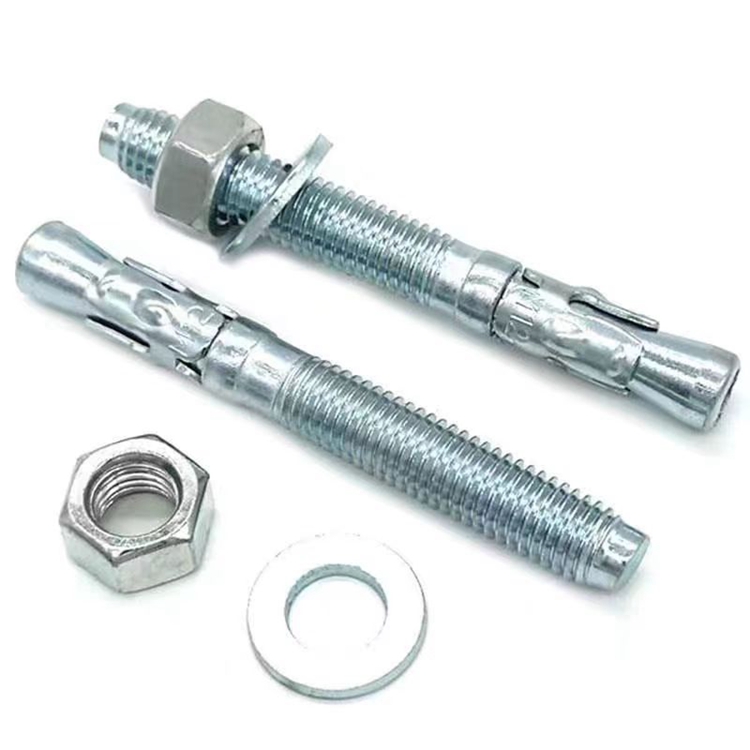
Furniture bolts are threaded fasteners specifically designed for assembly and structural integrity within furniture applications. They represent a critical component within the broader fastening industry, positioned between commodity hardware and highly specialized engineered fasteners. Core performance characteristics revolve around shear strength, tensile strength, corrosion resistance, and aesthetic integration with furniture materials. The industry faces ongoing challenges related to material cost fluctuations, evolving furniture designs requiring specialized bolt geometries, and increasingly stringent regulatory demands regarding material safety and environmental impact. This guide provides a detailed technical overview of furniture bolts, encompassing material science, manufacturing processes, performance considerations, failure modes, and industry standards.
Material Science & Manufacturing
Furniture bolts are commonly manufactured from carbon steel (specifically low to medium carbon content – SAE 1008, 1018), alloy steels (4140, 8640 for increased strength), and stainless steel (304, 316 for corrosion resistance). Carbon steel bolts are often coated with zinc plating, black oxide, or powder coating to enhance corrosion resistance. Stainless steel grades are selected based on the intended environment; 304 is suitable for indoor applications, while 316 offers superior resistance to chlorides and is preferred for outdoor or marine environments. Manufacturing typically involves cold heading, a process where wire stock is fed into a die and formed into the bolt shape using compressive forces. This is followed by thread rolling, creating the helical ridges without material removal, improving strength compared to machining. Heat treatment, including quenching and tempering, is critical for achieving desired mechanical properties. Precise control of parameters like die speed, feed rate, and lubricant type during cold heading is crucial to prevent defects like laps, seams, and folds. Thread quality is assessed using Go/No-Go gauges, adhering to standards like UNC (Unified National Coarse) and UNF (Unified National Fine). Material traceability and batch control are paramount for maintaining consistent quality.
Performance & Engineering
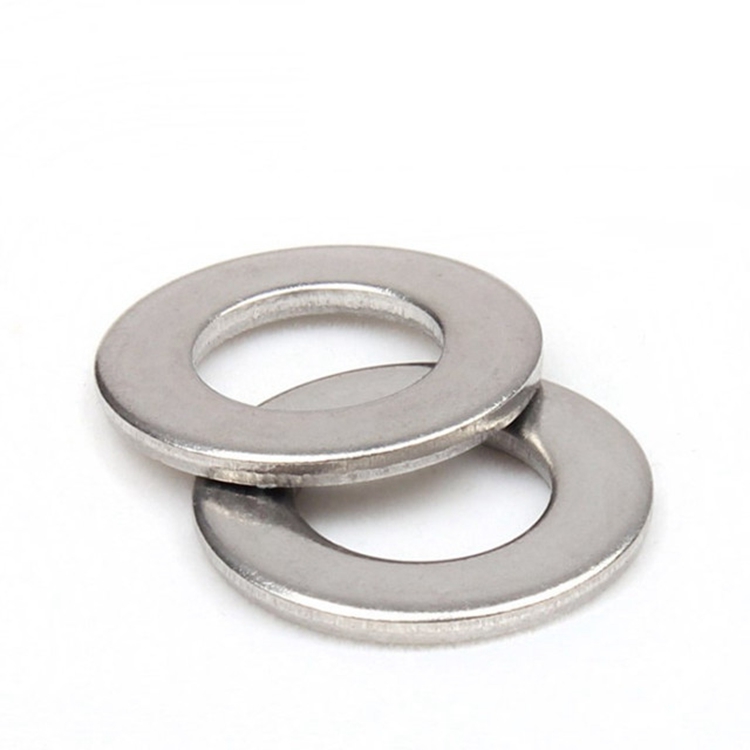
Performance of furniture bolts is primarily governed by shear stress and tensile stress. Shear stress is critical in applications where the bolt is subjected to forces perpendicular to its axis, such as connecting legs to a table frame. Tensile stress is dominant when the bolt is pulled directly, such as in bolted joints under significant weight. Finite element analysis (FEA) is increasingly used to model stress distribution within bolted joints, optimizing bolt size, material selection, and tightening torque. Preload, the initial tension applied to the bolt during tightening, is vital for maintaining clamping force and preventing joint loosening. Torque-controlled tightening is the standard practice, utilizing calibrated torque wrenches. Environmental resistance is a significant consideration; furniture exposed to humidity or outdoor conditions requires corrosion-resistant materials and coatings. Compliance with furniture safety standards (e.g., ANSI/BIFMA standards in the US, EN standards in Europe) dictates minimum load-bearing capacity and material requirements. Furthermore, the design must account for creep – the tendency of a solid material to deform permanently under sustained mechanical stress – especially when dealing with polymeric furniture components.
Technical Specifications
| Diameter (mm) | Material Grade | Tensile Strength (MPa) | Shear Strength (MPa) |
|---|---|---|---|
| M6 | Carbon Steel (SAE 1018, Zinc Plated) | 600 | 400 |
| M8 | Carbon Steel (SAE 1018, Zinc Plated) | 650 | 450 |
| M6 | Stainless Steel (304) | 500 | 300 |
| M8 | Stainless Steel (304) | 550 | 350 |
| M10 | Carbon Steel (4140, Black Oxide) | 800 | 600 |
| M10 | Stainless Steel (316) | 600 | 400 |
Failure Mode & Maintenance
Common failure modes for furniture bolts include stripping of threads (due to over-tightening or use of improper tools), shear failure (exceeding the shear strength limit), tensile failure (exceeding the tensile strength limit), and corrosion-induced failure. Fatigue cracking can occur in joints subjected to cyclical loading. Hydrogen embrittlement, a phenomenon where hydrogen atoms diffuse into the metal lattice causing brittleness, is a concern with high-strength steels and zinc coatings in corrosive environments. Delamination of coatings can expose the underlying metal to corrosion. Preventive maintenance involves periodic inspection of bolted joints for looseness or signs of corrosion. Re-tightening bolts to the specified torque is crucial. Application of corrosion inhibitors can extend the lifespan of carbon steel bolts. Replacing corroded or damaged bolts is essential to prevent catastrophic failure. Regularly cleaning furniture surfaces to remove contaminants that accelerate corrosion is also recommended. For critical applications, consider using locking washers or thread locking compounds to prevent loosening due to vibration.
Industry FAQ
Q: What is the primary difference between a Grade 5 and Grade 8 bolt in the context of furniture applications?
A: Grade 5 and Grade 8 refer to the material strength of the bolt. Grade 8 bolts utilize a higher carbon content alloy steel, providing significantly higher tensile and shear strength compared to Grade 5. While Grade 5 is sufficient for many general furniture applications, Grade 8 is preferred for load-bearing components or furniture subjected to significant stress, such as bed frames or structural supports. The increased strength of Grade 8 comes at a higher cost and potential for brittleness, so selection depends on the specific application requirements.
Q: How does the thread pitch affect the performance of a furniture bolt?
A: Thread pitch, the distance between adjacent threads, influences the bolt’s shear strength and resistance to loosening. A finer thread pitch (more threads per inch) generally provides a stronger shear resistance because it distributes the load over a larger area. It also provides a greater clamping force for a given torque. However, finer threads are more susceptible to cross-threading during installation. Coarser threads are easier to install and are more tolerant of minor imperfections but offer lower shear strength.
Q: What is the role of preload in maintaining a secure bolted joint?
A: Preload is the initial tension induced in the bolt when it’s tightened. A proper preload creates a clamping force between the joined parts, preventing slippage and distributing the load across the joint. Insufficient preload can lead to joint loosening and fatigue failure. Excessive preload can stretch the bolt beyond its elastic limit, leading to premature failure. Torque-controlled tightening is the method used to achieve the correct preload.
Q: What coating options are available for furniture bolts and what are their respective advantages?
A: Common coating options include zinc plating, black oxide, powder coating, and passivations for stainless steel. Zinc plating provides excellent corrosion protection at a relatively low cost. Black oxide offers mild corrosion resistance and a cosmetic black finish. Powder coating provides durable corrosion protection and a wide range of color options. Passivation for stainless steel enhances the natural corrosion resistance of the alloy.
Q: How do I determine the appropriate bolt size for a specific furniture application?
A: Determining the appropriate bolt size requires considering the load-bearing requirements, the material being joined, and the overall design of the furniture. Calculate the tensile and shear forces acting on the joint. Select a bolt diameter and material grade that provides sufficient strength margin, typically a safety factor of 2 or higher. Consult engineering tables or FEA simulations to verify the adequacy of the selected bolt size.
Conclusion
Furniture bolts are essential fastening components, and their selection and application significantly impact the structural integrity and longevity of furniture products. Understanding the material science, manufacturing processes, and performance characteristics of these bolts is paramount for engineers, designers, and procurement professionals. Proper material selection, precise manufacturing control, and correct installation techniques are crucial for preventing premature failure and ensuring reliable performance.
Future trends point towards increased use of high-strength alloy steels, advanced coating technologies for enhanced corrosion resistance, and the integration of smart fastening systems with embedded sensors for monitoring joint integrity. Furthermore, a growing emphasis on sustainable materials and manufacturing processes will drive demand for eco-friendly bolt coatings and production methods. A thorough understanding of relevant industry standards is vital for compliance and ensuring product safety.
