
Introduction
Fastenal bolts represent a critical component within the broader fastening industry, serving as a foundational element in mechanical engineering and assembly processes across diverse sectors, including automotive, aerospace, construction, and manufacturing. Technically, a fastenal bolt is a externally threaded fastener designed for insertion through aligned holes in assembled parts and secured by a nut. The core performance characteristics defining their utility revolve around tensile strength, shear strength, fatigue resistance, and corrosion resistance. This guide will provide an in-depth technical overview, covering material science, manufacturing processes, performance engineering, potential failure modes, and applicable industry standards. A key pain point for procurement managers is consistently achieving the correct balance between cost, performance, and material traceability, particularly with evolving supply chains and demands for higher strength-to-weight ratios.
Material Science & Manufacturing
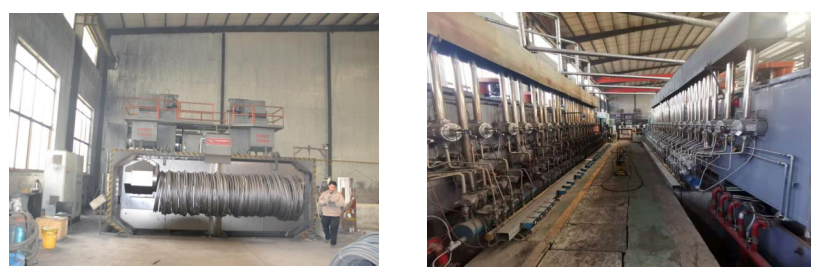
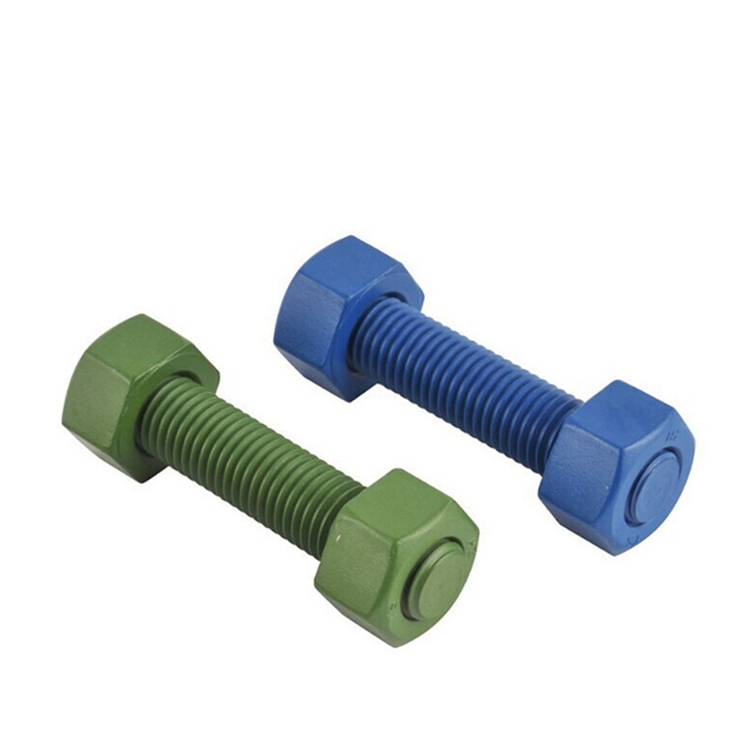
The majority of fastenal bolts are manufactured from carbon steel, alloy steel, or stainless steel. Carbon steel bolts, particularly those conforming to grades like SAE Grade 2 and Grade 5, offer a cost-effective solution for general purpose applications. Alloy steels, incorporating elements such as manganese, chromium, and molybdenum, enhance strength, toughness, and hardenability, typical in Grade 8 bolts. Stainless steel bolts, utilizing alloys containing at least 10.5% chromium, provide superior corrosion resistance, crucial in harsh environments. The choice of material directly impacts the bolt’s mechanical properties. Manufacturing typically begins with hot forging or cold heading, shaping the raw material into the bolt’s basic form. Heat treatment processes – quenching and tempering – are then applied to achieve the desired hardness and ductility. Thread rolling, rather than machining, is preferred as it work-hardens the surface, increasing fatigue strength. Precise control of parameters such as quenching medium, tempering temperature, and rolling pressure are paramount. Surface treatments, including zinc plating, phosphate coating, and black oxide, provide additional corrosion protection and improve lubricity. Hydrogen embrittlement is a potential concern during zinc plating, requiring post-treatment baking to diffuse hydrogen from the metal lattice. Material composition verification is essential, utilizing techniques like Optical Emission Spectroscopy (OES) to ensure conformance to specified standards.
Performance & Engineering
Bolt performance is primarily governed by its ability to withstand tensile, shear, and fatigue loads. Tensile strength, measured in MPa or PSI, represents the maximum stress the bolt can endure before fracture under a pulling force. Shear strength dictates the bolt’s resistance to forces acting parallel to its cross-section. Fatigue resistance, critical in applications involving cyclical loading, is heavily influenced by surface finish, thread quality, and residual stress. Preload, the clamping force applied to the joined materials, is a crucial parameter; insufficient preload can lead to joint loosening and fatigue failure, while excessive preload can cause bolt yielding or fracture. Environmental factors, such as temperature, humidity, and exposure to corrosive substances, significantly impact bolt performance. Stress corrosion cracking (SCC), a phenomenon where tensile stress and a corrosive environment combine to cause failure, is a common concern, particularly with high-strength materials in chloride-rich environments. Finite Element Analysis (FEA) is widely used to simulate stress distributions within bolted joints, optimizing geometry and preload to maximize performance. Compliance requirements, such as those dictated by ASME, ASTM, and ISO standards, necessitate rigorous testing and documentation to ensure safety and reliability. Consideration must also be given to creep, the tendency of a solid material to deform permanently under sustained mechanical stress, especially at elevated temperatures.
Technical Specifications
| Grade | Tensile Strength (MPa) | Yield Strength (MPa) | Hardness (Rockwell C) | Typical Material | Common Applications |
|---|---|---|---|---|---|
| SAE Grade 2 | 400-570 | 240-345 | C15-C22 | Low Carbon Steel | General Purpose Fastening |
| SAE Grade 5 | 690-830 | 440-580 | C24-C32 | Medium Carbon Steel | Automotive, Machinery |
| SAE Grade 8 | 930-1100 | 690-830 | C32-C40 | Alloy Steel (e.g., 4140, 8740) | High-Stress Applications |
| 304 Stainless Steel | 500-700 | 205-310 | C20-C30 | Austenitic Stainless Steel | Corrosive Environments, Food Processing |
| 316 Stainless Steel | 580-760 | 240-345 | C25-C35 | Molybdenum-Alloyed Stainless Steel | Marine Applications, Chemical Processing |
| A4-80 (Stainless) | 800-1000 | 580-760 | C25-C35 | Austenitic Stainless Steel | High Strength Corrosion Resistance |
Failure Mode & Maintenance
Fastenal bolts are susceptible to several failure modes. Thread stripping, resulting from exceeding the yield strength of the thread, is common with improper torque application. Fatigue cracking initiates from stress concentrations, often at thread roots or under bolt head. Hydrogen embrittlement, as mentioned previously, can lead to brittle fracture. Corrosion, particularly pitting corrosion in stainless steels, weakens the bolt material. Shear failure occurs when the shear stress exceeds the material’s shear strength. Improper material selection for the environment can exacerbate all of these failure modes. Preventive maintenance involves regular inspection for signs of corrosion, thread damage, and loosening. Torque verification, using calibrated torque wrenches, is crucial during installation and re-tightening. Lubrication, with appropriate thread lubricants, reduces friction and minimizes the risk of galling. For critical applications, Non-Destructive Testing (NDT) methods, such as ultrasonic testing or magnetic particle inspection, can detect subsurface cracks and defects. Replacement of corroded or damaged bolts is essential to prevent catastrophic failure. When replacing bolts, it is critical to match or exceed the original specifications, including grade, material, and finish.
Industry FAQ
Q: What is the impact of thread form on bolt performance?
A: The thread form, whether it's Unified National Coarse (UNC), Unified National Fine (UNF), or metric, influences the load-carrying capacity and shear strength. Finer threads generally provide higher tensile strength, while coarser threads offer better resistance to stripping. The thread angle also plays a role; a larger thread angle increases shear strength but reduces tensile strength.
Q: How does bolt material impact galvanic corrosion in dissimilar metal joints?
A: When joining dissimilar metals, galvanic corrosion can occur due to differences in electrochemical potential. Selecting compatible materials or using insulating washers and coatings can mitigate this risk. Stainless steel bolts used with aluminum, for example, can lead to accelerated corrosion of the aluminum. Utilizing sacrificial anodes can also protect the less noble metal.
Q: What are the critical considerations when specifying bolts for high-temperature applications?
A: High temperatures reduce the yield strength and tensile strength of most materials. Alloy steels with creep resistance, such as those containing molybdenum and vanadium, are preferred. Oxidation resistance is also crucial; stainless steels and nickel-based alloys provide good protection. It’s important to derate the allowable stress based on operating temperature.
Q: Can you explain the significance of proof load vs. tensile strength?
A: Tensile strength represents the maximum stress a bolt can withstand before fracture. Proof load, however, is the maximum tensile stress that a bolt can withstand without permanent deformation. Proof load is a more relevant parameter for design, as it ensures the bolt will maintain clamping force under load. It’s typically around 90-95% of the yield strength.
Q: What role does surface finish play in fatigue life?
A: Surface finish significantly impacts fatigue life. Rough surfaces introduce stress concentrations, accelerating crack initiation. Polishing or shot peening can improve surface finish, inducing compressive residual stresses that enhance fatigue resistance. Surface imperfections, such as scratches or pits, should be minimized.
Conclusion
Fastenal bolts are far more than simple fasteners; they are engineered components demanding careful material selection, precise manufacturing control, and a thorough understanding of their operational environment. Achieving optimal performance necessitates considering tensile strength, shear strength, fatigue resistance, corrosion resistance, and preload, alongside relevant industry standards and potential failure modes. Proper torque application, regular inspection, and appropriate maintenance are critical for ensuring long-term reliability and preventing catastrophic failures.
The ongoing trend towards lighter materials and higher performance demands will continue to drive innovation in fastenal bolt technology. Future developments will likely focus on advanced materials, such as titanium alloys and high-strength steels, as well as improved surface treatments and coatings to enhance corrosion resistance and fatigue life. Furthermore, the adoption of digital technologies, including sensor-based monitoring and predictive maintenance, will play an increasingly important role in optimizing bolted joint performance and ensuring structural integrity.
