
Introduction
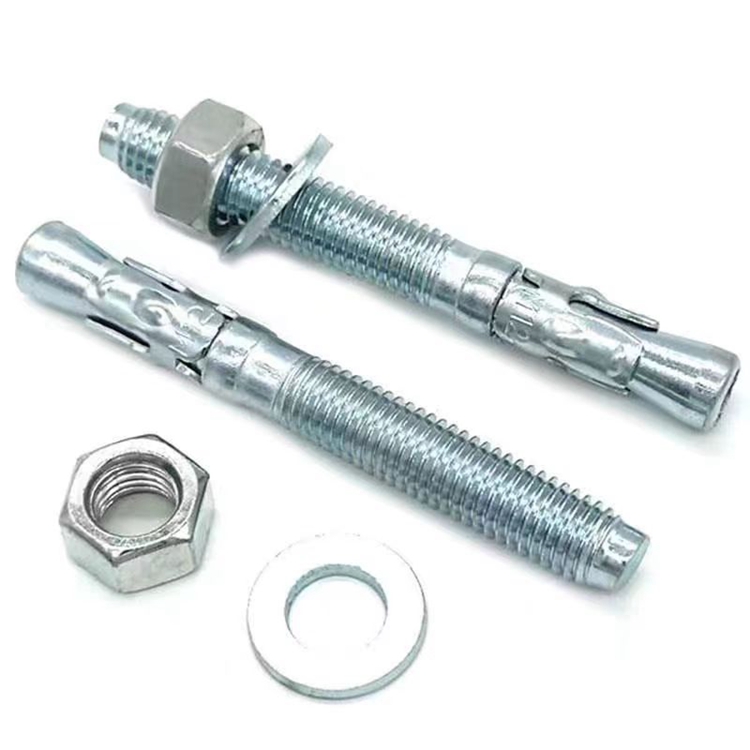
Zinc plated self-drilling screws represent a crucial fastening solution across a diverse range of industries, including construction, metal fabrication, and HVAC. These screws combine the functionality of drilling, tapping, and fastening in a single operation, significantly reducing assembly time and operational costs. The zinc plating provides a sacrificial layer of corrosion resistance, extending service life in moderately corrosive environments. Their core performance characteristics center around drill point geometry, thread design for secure holding, and the protective properties of the zinc coating, making them a standard component in sheet metal assembly, roofing applications, and general fabrication where rapid and reliable fastening is required. Understanding the nuances of their material composition, manufacturing processes, and potential failure modes is paramount for ensuring structural integrity and longevity in demanding applications.
Material Science & Manufacturing
The primary material for self-drilling screws is typically carbon steel, specifically grades like C1022 or C1018, selected for their balance of strength, ductility, and machinability. The steel undergoes a cold heading process to form the screw’s head and initial shank profile. Subsequent thread rolling creates the helical thread form without material removal, enhancing thread strength compared to machining. The critical element is the drill point, formed through a specialized machining process that creates a fluted tip capable of initiating and propagating a hole through the target material. Following forming, the screws are subjected to a zinc plating process. This typically involves chemical cleaning, etching, and then electrodeposition of zinc, often alloyed with nickel or cobalt to improve corrosion resistance. The zinc layer thickness is a key parameter, typically ranging from 5 to 15 micrometers, influencing the level of protection. Critical manufacturing controls include thread pitch accuracy, drill point angle (typically 18-25 degrees), and zinc coating uniformity. Heat treatment processes, such as quenching and tempering, are frequently employed to achieve desired hardness and tensile strength characteristics. The quality of the steel substrate and the zinc plating process directly influence the screw’s performance and lifespan.
Performance & Engineering
The performance of zinc plated self-drilling screws is dictated by several key engineering principles. Force analysis considers the tensile strength of the screw material, the shear strength of the threads, and the torsional forces required for drilling. The drill point’s geometry is engineered to minimize drilling resistance and efficiently remove material as chips. Finite element analysis (FEA) is often used to optimize drill point design and thread form for specific materials and thicknesses. Environmental resistance is primarily governed by the zinc coating; however, the coating’s effectiveness diminishes over time due to galvanic corrosion, particularly in the presence of dissimilar metals and electrolytes. Compliance requirements vary by application. For structural applications, screws must meet load-bearing requirements specified in building codes (e.g., IBC, Eurocode). For automotive applications, they may need to conform to specific automotive standards (e.g., IATF 16949). The screw’s ability to form a secure, leak-proof connection is also a critical performance aspect, particularly in roofing and cladding applications. Consideration must be given to thermal expansion and contraction of materials being fastened to avoid stress concentration and potential failure.
Technical Specifications
| Parameter | Specification (Typical) | Testing Standard | Units |
|---|---|---|---|
| Material | Carbon Steel (C1022) | ASTM A36 | - |
| Zinc Coating Thickness | 8-12 | ASTM B695 | µm |
| Tensile Strength | 800-1000 | ASTM A370 | MPa |
| Shear Strength | 500-700 | ASTM A938 | MPa |
| Drill Point Angle | 20-25 | Visual Inspection | degrees |
| Thread Pitch | Variable (e.g., 1.4mm, 2.0mm) | ISO 683-1 | mm |
Failure Mode & Maintenance
Self-drilling screws are susceptible to several failure modes. Hydrogen embrittlement can occur during the zinc plating process, leading to premature brittle fracture, especially in high-strength steel screws. Galvanic corrosion arises when the zinc coating corrodes preferentially to dissimilar metals in contact, potentially weakening the screw and creating a leakage path. Fatigue cracking can occur under cyclic loading, particularly in applications subject to vibration or thermal cycling. Striping of threads can result from over-tightening or using incorrect drill speed for the material being fastened. Drill point wear or breakage can occur if the screw is used in materials exceeding its drilling capacity or if the point is damaged. Maintenance involves periodic inspection for signs of corrosion, thread damage, or loosening. In highly corrosive environments, supplemental corrosion protection (e.g., applying a sealant) may be necessary. If stripping occurs, replacement with a higher-strength screw or a larger diameter screw may be required. Regular tightening checks are crucial to prevent loosening due to vibration or thermal expansion. Preventative maintenance, including proper storage to avoid moisture exposure, also extends service life.
Industry FAQ
Q: What is the impact of salt spray testing duration on predicting the long-term corrosion resistance of zinc plated self-drilling screws?
A: Salt spray testing (ASTM B117) provides a standardized method for evaluating corrosion resistance, but it’s an accelerated test and doesn’t perfectly correlate to real-world conditions. Longer durations (e.g., 96, 240, 500+ hours) indicate better initial protection, but the correlation weakens over extended periods. Environmental factors like humidity, temperature variations, and the presence of pollutants significantly influence actual corrosion rates. A screw passing a 500-hour salt spray test doesn’t guarantee immunity to corrosion in a severe marine environment.
Q: How does the hardness of the base steel affect the ductility and overall performance of the self-drilling screw?
A: Higher hardness generally translates to increased tensile strength, but it often reduces ductility. A steel that is too hard can become brittle and prone to fracture during drilling or under impact loads. A balance must be struck; the ideal hardness allows for sufficient strength to resist deformation while maintaining enough ductility to withstand stresses without catastrophic failure. Heat treatment processes are critical for achieving this balance.
Q: What are the common issues associated with using self-drilling screws in aluminum, and how can these be mitigated?
A: Aluminum is a soft and ductile material. Common issues include thread stripping, difficulty initiating the drill point, and the buildup of aluminum chips around the drill point. Mitigation strategies include using screws specifically designed for aluminum (with modified thread geometry and drill point angles), reducing drill speed, applying a cutting fluid lubricant, and ensuring proper clamp force.
Q: What is the significance of the 'Type' designation (e.g., Type A, Type B) often seen on self-drilling screws?
A: The 'Type' designation refers to the drill point geometry and the intended application. Type A screws generally have a sharper drill point suitable for thinner materials. Type B screws have a more aggressive drill point designed for thicker materials and heavier gauge sheet metal. Selecting the appropriate type is critical for efficient drilling and preventing damage to the screw or the workpiece.
Q: How does the zinc alloy composition (e.g., zinc-nickel, zinc-cobalt) affect corrosion performance compared to standard zinc plating?
A: Alloys like zinc-nickel and zinc-cobalt offer significantly improved corrosion resistance compared to standard zinc plating. These alloys create a more passive protective layer and are less susceptible to galvanic corrosion. Zinc-nickel, in particular, provides excellent resistance to both salt spray and red rust, making it ideal for demanding outdoor applications.
Conclusion
Zinc plated self-drilling screws represent a sophisticated fastening technology that combines drilling, tapping, and fastening capabilities into a single component. Their performance is heavily reliant on material selection, precise manufacturing controls, and the effectiveness of the zinc coating in providing corrosion resistance. Understanding the potential failure modes – from hydrogen embrittlement to galvanic corrosion – is crucial for engineers and procurement professionals to select the appropriate screw for the application and implement preventative maintenance strategies.
Continued advancements in zinc alloy compositions, coating techniques, and screw geometry are aimed at enhancing performance, extending service life, and broadening the applicability of these screws. Future trends include exploring alternative coatings (e.g., organic coatings) to further improve corrosion resistance and developing specialized screw designs for emerging materials and manufacturing processes. A thorough understanding of these technical aspects is vital for optimizing fastening systems and ensuring long-term structural integrity across diverse industrial applications.