
Introduction
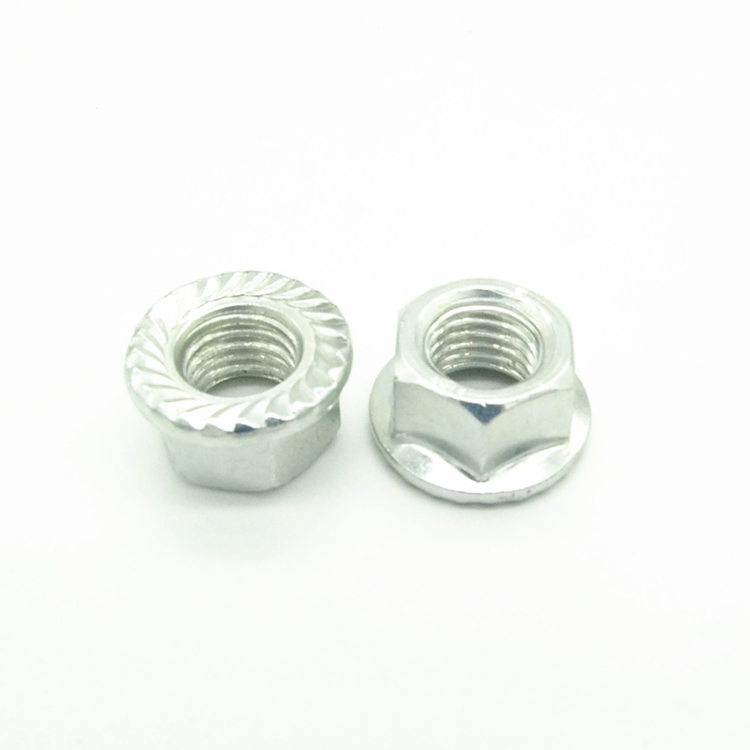
Thicken hex nuts are internally threaded fasteners designed for applications requiring elevated mechanical strength and load-bearing capacity compared to standard hex nuts. Positioned within the fastening element segment of the broader industrial component supply chain, these nuts secure bolts and screws, distributing clamping force across the joined materials. Their ‘thicken’ designation refers to an increased wall thickness across the nut’s body, directly influencing torque capacity, tensile strength, and resistance to prevailing environmental factors. Core performance characteristics include high clamping force retention, resistance to loosening under vibration, and compatibility with a wide range of bolt materials and grades. Addressing prevalent industry pain points of joint failure due to fatigue or insufficient clamping force, thicken hex nuts are crucial in demanding applications across automotive, heavy machinery, and infrastructure projects.
Material Science & Manufacturing
The predominant material for thicken hex nuts is carbon steel, specifically medium carbon steels like AISI 1045 or equivalent, offering a balance of strength, ductility, and cost-effectiveness. Alloy steels (e.g., 4140, 8640) are employed for applications requiring superior tensile strength, toughness, and corrosion resistance. Stainless steels (304, 316) are selected for corrosive environments, though typically exhibit lower strength than carbon or alloy steel counterparts. Manufacturing typically commences with hot forging, where steel billets are shaped under high temperature and pressure to approximate the nut's final geometry. This process aligns the grain structure, enhancing mechanical properties. Subsequent machining operations—turning, drilling, and tapping—establish precise dimensions and thread form, adhering to standards like ISO 6157 or ANSI/ASME B1.1m. Thread rolling is preferred over cutting for superior thread strength and fatigue resistance. Heat treatment, involving hardening and tempering, is critical. Hardening imparts strength, while tempering enhances ductility and reduces brittleness. Surface treatments, including zinc plating, phosphate coating, or hot-dip galvanizing, provide corrosion protection. Precise control of heating rates, soaking times, and quenching media during heat treatment is paramount to achieving the desired mechanical properties, and deviations can lead to premature failure.
Performance & Engineering
The performance of thicken hex nuts is fundamentally governed by principles of statics and material mechanics. The nut’s ability to withstand tensile loading is directly related to its tensile strength and shear area. Force analysis involves calculating the clamping force generated by tightening the nut onto a bolt, considering factors like bolt preload, friction coefficients between contacting surfaces, and the nut’s tightening torque. Environmental resistance is a critical performance aspect. Corrosion, particularly in marine or industrial environments, can significantly degrade nut strength. Prevailing torque nuts, incorporating nylon inserts or deformed threads, are designed to resist loosening due to vibration. These rely on friction between the insert/deformed thread and the bolt threads. Finite Element Analysis (FEA) is increasingly used to optimize nut geometry and predict stress distribution under load, identifying potential failure points. Compliance with industry standards, such as ASTM A563 (for carbon and alloy steel nuts) and ISO 898-2 (for mechanical properties of fasteners), is essential. Detailed engineering considerations include selecting appropriate nut grade based on the application's load requirements, ensuring compatibility with the bolt material to prevent galvanic corrosion, and verifying adequate thread engagement length.
Technical Specifications
| Nut Grade | Material | Diameter (mm) | Thread Pitch (mm) |
|---|---|---|---|
| Grade A | Carbon Steel (AISI 1045) | M8 | 1.25 |
| Grade B | Carbon Steel (AISI 1045) | M10 | 1.5 |
| Grade C | Alloy Steel (4140) | M12 | 1.75 |
| Grade A2-70 | Stainless Steel (304) | M6 | 1.0 |
| Grade A4-80 | Stainless Steel (316) | M16 | 2.0 |
| Grade 8 | Alloy Steel (8640) | M20 | 2.5 |
Failure Mode & Maintenance
Thicken hex nuts are susceptible to several failure modes. Fatigue cracking, initiated by cyclic loading, is common in applications involving vibration. This typically originates at thread roots or under head surfaces. Corrosion, particularly pitting corrosion in marine environments, weakens the nut material, reducing its load-bearing capacity. Stripped threads, resulting from exceeding the nut’s torque capacity or using incompatible bolt materials, render the nut ineffective. Hydrogen embrittlement, a concern in high-strength steels exposed to hydrogen-containing environments, can lead to brittle fracture. Prevailing torque nuts can experience degradation of the insert material, leading to loss of locking function. Maintenance involves regular visual inspection for signs of corrosion, cracks, or thread damage. Lubrication with compatible thread lubricants reduces friction and prevents galling. Periodic torque checks ensure that clamping force remains within acceptable limits. Replacing corroded or damaged nuts is crucial. In critical applications, non-destructive testing methods, such as ultrasonic inspection or magnetic particle inspection, can detect internal flaws before they lead to catastrophic failure. Proper storage in a dry environment protects against corrosion during periods of non-use.
Industry FAQ
Q: What is the primary advantage of a ‘thicken’ hex nut compared to a standard hex nut?
A: The primary advantage is increased mechanical strength and torque capacity. The increased wall thickness allows the nut to withstand higher loads and clamping forces without deformation or failure, particularly in applications with significant vibration or dynamic loading.
Q: How does material selection impact the lifespan of a thicken hex nut in a corrosive environment?
A: Material selection is critical. Carbon steel nuts are highly susceptible to corrosion. Stainless steel (304, 316) offers significantly improved corrosion resistance, extending lifespan, but typically at a reduced strength level. Surface treatments like galvanizing or phosphate coating can provide additional protection for carbon steel nuts.
Q: What torque specifications should be considered when tightening thicken hex nuts?
A: Torque specifications depend on the nut grade, bolt material, thread diameter, and lubricant used. Refer to the manufacturer’s data sheet and relevant industry standards (ISO 6157, ANSI/ASME B1.1m). Overtightening can strip threads or induce stress in the bolted joint, while undertightening can lead to loosening.
Q: What are the common causes of thread stripping in thicken hex nuts, and how can they be prevented?
A: Common causes include exceeding the nut’s torque capacity, using incompatible bolt materials, improper thread engagement length, and thread damage during installation. Prevention involves adhering to specified torque values, using compatible materials, ensuring adequate thread engagement, and careful handling during installation.
Q: How does heat treatment affect the performance characteristics of thicken hex nuts?
A: Heat treatment dramatically influences performance. Hardening increases tensile strength and hardness, but can reduce ductility. Tempering balances strength and ductility. Improper heat treatment can lead to brittle fracture, reduced fatigue resistance, or inadequate clamping force.
Conclusion
Thicken hex nuts represent a critical component in ensuring the reliability and longevity of bolted joints in demanding industrial applications. Their enhanced mechanical properties, derived from material selection, precise manufacturing processes, and controlled heat treatment, directly address the common industry challenges of joint failure due to fatigue, corrosion, or insufficient clamping force. A thorough understanding of the engineering principles governing their performance, coupled with adherence to relevant industry standards, is paramount for successful implementation.
Future trends in thicken hex nut technology will likely focus on advanced materials, such as high-strength low-alloy steels and novel corrosion-resistant alloys, and the integration of smart fastening solutions incorporating sensors for real-time monitoring of clamping force and nut integrity. Continued refinement of manufacturing processes and quality control procedures will further enhance their performance and reliability, reinforcing their role as a foundational element in modern engineering design.