
Introduction
Galvanized locknuts are essential fastening components utilized across diverse industries including construction, automotive, and infrastructure. They consist of a metallic nut, typically steel, with a zinc coating applied through galvanization – a process designed to enhance corrosion resistance. The ‘lock’ feature, usually a nylon insert (nylock), a deformed thread (prevailing torque nut), or a slotted design, prevents loosening due to vibration and dynamic loads. This guide provides a comprehensive overview of galvanized locknuts, covering material science, manufacturing processes, performance characteristics, potential failure modes, and relevant industry standards. The primary industry pain points addressed are premature corrosion leading to structural failure, inconsistent locking performance resulting in maintenance issues, and the need to verify material compliance with stringent regulatory requirements.
Material Science & Manufacturing
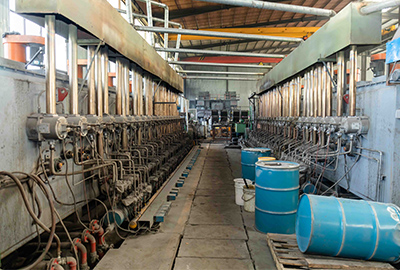
The foundation of a galvanized locknut is the substrate material, commonly carbon steel (SAE 1008, 1018) or alloy steel (4140). The choice of steel dictates tensile strength, ductility, and overall mechanical performance. Galvanization, typically hot-dip galvanizing, involves immersing the steel component in molten zinc. This creates a metallurgical bond, forming a series of zinc-iron alloy layers protected by an outer layer of pure zinc. The zinc coating acts as a sacrificial anode, corroding preferentially to the steel, even when the coating is scratched or damaged. For locknut functionality, nylon inserts are commonly manufactured from PA66 (Polyamide 66) exhibiting good mechanical strength, temperature resistance, and coefficient of friction. Prevailing torque nuts rely on deliberately deformed threads, created through cold forming processes, carefully controlled to achieve a specified torque-tension relationship. Manufacturing involves several key steps: steel blanking, threading (roll forming or cut threading), heat treatment (hardening and tempering to achieve desired mechanical properties), galvanization (surface preparation including cleaning and fluxing, followed by immersion), and finally, lock feature application (insert molding or thread deformation). Precise control of bath temperature, zinc purity, and immersion time during galvanization is crucial for coating thickness and adhesion. Thread deformation requires tightly controlled tooling and process parameters to prevent cracking or weakening of the nut.
Performance & Engineering
The performance of galvanized locknuts is dictated by several factors. Corrosion resistance is quantified by salt spray testing (ASTM B117), measuring time to red rust formation. Mechanical properties, including tensile strength, proof load, and hardness, are determined through standardized testing (ASTM F384). The locking mechanism is evaluated by measuring prevailing torque (ASTM F384), the resistance to rotational movement when applying a torque. Finite Element Analysis (FEA) is routinely used to model stress distribution under load, optimizing nut geometry and preventing premature failure. Environmental resistance extends beyond salt spray; exposure to acidic or alkaline environments, UV radiation, and thermal cycling can significantly impact performance. Galvanized coatings provide cathodic protection, but its effectiveness diminishes in highly corrosive conditions, particularly in crevices. The locknut’s performance is also impacted by the mating bolt. Bolt material, coating, and thread condition all influence the clamping force and locking capability. Compliance requirements vary by industry; infrastructure projects often require adherence to AASHTO M320 specifications, while automotive applications are governed by OEM-specific standards that demand robust corrosion protection and consistent locking performance under vibration. Ensuring correct preload during installation is critical; insufficient preload can lead to loosening, while excessive preload can damage the bolt or nut.
Technical Specifications
| Parameter | Grade 8 Locknut (SAE) | Grade 5 Locknut (SAE) | Metric Class 10 Locknut (ISO) | Hot-Dip Galvanization Coating Thickness |
|---|---|---|---|---|
| Tensile Strength (MPa) | 617 | 414 | 830 | 50-70 µm (Typical) |
| Proof Load (kN) | 31.0 | 20.7 | 41.5 | N/A |
| Prevailing Torque (Nm) | 4.5 - 8.0 | 2.0 - 4.0 | 6.0 - 12.0 | N/A |
| Hardness (HRC) | 33-39 | 25-35 | 30-38 | N/A |
| Zinc Coating Weight (g/m²) | N/A | N/A | N/A | 600-800 |
| Operating Temperature Range (°C) | -30 to +120 | -30 to +80 | -40 to +150 | -20 to +300 (coating dependent) |
Failure Mode & Maintenance
Galvanized locknuts can fail through several mechanisms. Hydrogen embrittlement, a risk during the galvanization process, can reduce ductility and lead to brittle fracture, particularly in high-strength steels. Corrosion, despite the zinc coating, can occur in aggressive environments, leading to pitting, crevice corrosion, and eventual loss of section. Stripping of threads on either the nut or bolt is a common failure mode due to exceeding the material's yield strength or improper installation. Nylon inserts can degrade over time due to UV exposure, temperature extremes, and chemical attack, leading to a loss of locking capability. Galvanic corrosion can occur when the galvanized nut is in contact with a dissimilar metal in the presence of an electrolyte. Maintenance should include regular visual inspections for signs of corrosion, thread damage, or insert degradation. Lubrication of threads with appropriate anti-seize compounds can prevent galling and facilitate disassembly. Replacing nuts exhibiting significant corrosion or damage is critical to prevent structural failure. Periodic torque checks ensure the locking mechanism remains effective, especially in applications subject to vibration. Proper storage of galvanized nuts in a dry environment prevents premature corrosion.
Industry FAQ
Q: What is the difference between a Grade 8 and a Grade 5 galvanized locknut in terms of corrosion resistance?
A: While both utilize galvanization for corrosion protection, Grade 8 nuts, typically made from higher alloy steels, can exhibit slightly better corrosion resistance due to the alloy composition influencing the zinc-iron alloy layer formation during galvanization. However, the quality of the galvanization process – coating thickness, uniformity, and surface preparation – has a more significant impact than the base steel grade itself.
Q: How does the prevailing torque of a locknut change over time and temperature?
A: Prevailing torque generally decreases with increasing temperature due to the softening of the nylon insert (in Nylock nuts) or the stress relaxation in deformed threads. Over time, the insert can also creep, reducing the clamping force and lowering the prevailing torque. Significant temperature fluctuations can accelerate these effects.
Q: Can galvanized locknuts be used in direct contact with aluminum components?
A: Direct contact between galvanized steel and aluminum should be avoided due to the potential for galvanic corrosion. The zinc coating is more cathodic than aluminum, leading to accelerated corrosion of the aluminum component. Insulating washers or coatings should be used to prevent electrical contact.
Q: What are the implications of using an impact wrench to tighten galvanized locknuts?
A: Using an impact wrench can exceed the specified torque limits, potentially stripping threads or damaging the locking mechanism, especially with prevailing torque nuts. Controlled torque tightening with a calibrated torque wrench is strongly recommended to ensure proper clamping force and prevent over-tightening.
Q: What is the expected lifespan of a galvanized locknut in a marine environment?
A: The lifespan in a marine environment is significantly shorter than in freshwater or dry conditions due to the high salinity and constant exposure to moisture. Lifespan can range from 1-5 years depending on the quality of the galvanization, exposure severity, and frequency of maintenance. Supplemental corrosion protection methods, such as applying a marine-grade coating after galvanization, are recommended.
Conclusion
Galvanized locknuts represent a critical fastening solution across numerous industries, offering a balance of strength, corrosion resistance, and vibration resistance. Understanding the underlying material science, manufacturing intricacies, and potential failure modes is paramount for ensuring long-term reliability and structural integrity. The selection of the appropriate grade, coating thickness, and locking mechanism depends heavily on the specific application requirements and environmental conditions.
Future advancements in corrosion protection technologies, such as duplex coatings (zinc-nickel) and enhanced galvanizing processes, will likely extend the lifespan of galvanized locknuts in harsh environments. Continuous monitoring of performance data and implementation of predictive maintenance strategies will be crucial for optimizing the use of these fasteners and minimizing the risk of premature failure. Careful consideration of material compatibility and proper installation techniques remain fundamental principles for maximizing their effectiveness.