
Introduction
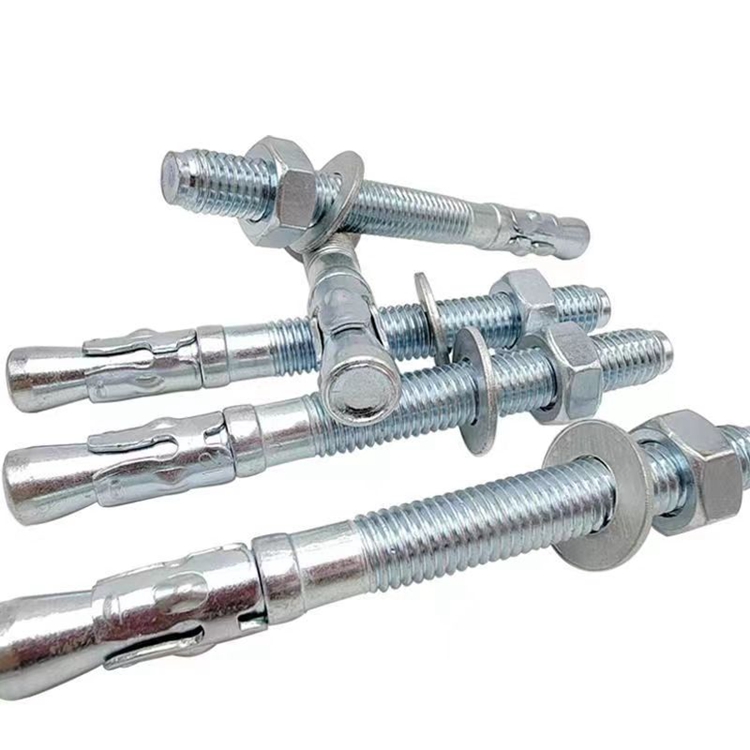
Black coating thread rods are externally threaded fasteners commonly utilized in diverse industrial applications requiring corrosion resistance and moderate strength. These rods, typically manufactured from carbon steel, alloy steel, or stainless steel, receive a surface treatment—usually a zinc-nickel or black phosphate coating—to enhance protection against environmental degradation. Their primary function is to provide a secure mechanical connection, often in conjunction with nuts and washers, facilitating the assembly of structures and components. Within the fastening industry chain, they represent a critical element in mechanical engineering, construction, and manufacturing sectors, bridging the gap between structural elements and load-bearing requirements. Core performance characteristics include tensile strength, yield strength, corrosion resistance (measured in salt spray hours), and dimensional accuracy of the threading.
Material Science & Manufacturing
Black coating thread rods typically originate from medium to high carbon steel (e.g., AISI 1045, 10B21) or alloy steels (e.g., 4140, 4340) offering sufficient strength for threaded applications. Stainless steels (e.g., 304, 316) are utilized for environments demanding superior corrosion resistance. The raw material undergoes a cold heading or cold drawing process to form the thread rod shape. Cold working increases the material’s tensile strength but reduces ductility. Subsequently, a threading operation, either by rolling or cutting, is performed to create the helical thread profile. Rolling is preferred as it work-hardens the surface layer, improving fatigue resistance. The black coating itself is typically a phosphate conversion coating, created by immersing the steel in a phosphoric acid and zinc salt solution. This process forms a crystalline phosphate layer that provides a base for subsequent oil impregnation, offering enhanced corrosion protection. Coating thickness is critical, generally ranging from 5-25 micrometers. Parameter control during the phosphate coating process, including pH, temperature, and immersion time, directly impacts the coating’s adhesion and corrosion resistance. Post-coating, an oil impregnation step further seals the surface, preventing moisture ingress. Quality control measures involve visual inspection for coating uniformity, salt spray testing (ASTM B117), and thread profile verification using go/no-go gauges conforming to ISO 965-1.

Performance & Engineering
The performance of black coating thread rods is heavily dictated by applied tensile load and environmental conditions. Force analysis relies on determining the tensile stress area of the thread, calculated according to standards like ASME B1.1. This area, combined with the material's tensile strength, defines the maximum permissible load. Yield strength is also a crucial parameter, as exceeding it can lead to permanent deformation of the rod. Environmental resistance is primarily governed by the effectiveness of the black coating. Phosphate coatings, while providing moderate corrosion protection, are susceptible to breakdown in highly aggressive environments (e.g., marine applications). The coating acts as a barrier and sacrificial layer, inhibiting corrosion of the underlying steel. Compliance requirements depend on the intended application. For critical safety applications (e.g., aerospace, automotive), standards like IFI 88 (formerly ANSI/ASME B1.1) define thread form, dimensions, and material properties. Furthermore, RoHS (Restriction of Hazardous Substances) compliance is increasingly important, restricting the use of certain materials (e.g., hexavalent chromium) in the coating process. Galvanic corrosion must be considered when using these rods in contact with dissimilar metals; selecting compatible materials or employing isolating washers can mitigate this issue. Fatigue loading, particularly in applications with dynamic stresses, is a significant failure mode addressed through appropriate material selection and surface treatment (thread rolling enhancing compressive residual stresses).
Technical Specifications
| Material Grade | Tensile Strength (MPa) | Coating Type | Coating Thickness (µm) | Salt Spray Resistance (Hours) | Thread Standard |
|---|---|---|---|---|---|
| AISI 1045 | 600-800 | Black Phosphate | 10-20 | 24-72 | ISO 6837 |
| AISI 4140 | 800-1000 | Zinc-Nickel | 15-25 | 96-240 | ASME B1.1 |
| 304 Stainless Steel | 500-700 | Passivated | 0.3-0.8 | >1000 | ISO 6837 |
| AISI 10B21 | 550-750 | Black Phosphate | 8-15 | 16-48 | DIN 933 |
| 4340 Alloy Steel | 900-1100 | Zinc-Nickel | 20-30 | 300-500 | ASTM A307 |
| 316 Stainless Steel | 600-800 | Passivated | 0.5-1.0 | >1500 | ISO 898-1 |
Failure Mode & Maintenance
Black coating thread rods are susceptible to several failure modes. Hydrogen embrittlement, induced during phosphate coating (due to hydrogen diffusion), can lead to brittle fracture, particularly in high-strength steels. Corrosion is a prevalent failure mechanism, especially when the coating is compromised (scratches, chips). Galvanic corrosion, as previously mentioned, can accelerate degradation when in contact with dissimilar metals. Fatigue cracking can occur under cyclic loading, initiated at stress concentrators like thread roots. Thread stripping, due to exceeding the shear strength of the threads, is another common failure. Maintenance involves periodic inspection for corrosion, especially in harsh environments. Re-oiling the threads after cleaning can replenish the protective layer. In cases of significant corrosion, replacement of the rod is recommended. Applying appropriate torque during installation, adhering to manufacturer’s specifications, is crucial to prevent thread stripping. Avoid using excessive force, which can damage the coating and compromise the integrity of the connection. Regular lubrication can also help reduce friction and prevent galling. Visual checks for cracks, deformation, or coating defects should be performed periodically, especially in critical applications.
Industry FAQ
Q: What is the primary advantage of a black coating over other finishes like zinc plating?
A: Black phosphate coating offers superior paint adhesion and provides a good base for subsequent coatings. While zinc plating generally offers better corrosion resistance in a standalone application, the black coating’s primary benefit lies in its compatibility with additional finishes and its reduced glare, making it suitable for aesthetic applications. It also avoids the environmental concerns associated with hexavalent chromium often used in some zinc plating processes.
Q: How does material grade impact the choice of coating type for these rods?
A: Higher strength steels, like 4140, are more susceptible to hydrogen embrittlement during phosphate coating. Therefore, a zinc-nickel coating is often preferred as it minimizes hydrogen absorption. Stainless steels generally do not require a coating for corrosion protection, and passivation is sufficient to enhance their natural resistance.
Q: What torque specifications should be followed during installation to prevent thread stripping?
A: Torque specifications depend on the material grade, thread size, and lubrication. Refer to the manufacturer’s datasheet or relevant engineering standards (e.g., ASME B1.1) for recommended torque values. Using a calibrated torque wrench is essential. Generally, lower torque values are recommended for softer materials or when using dissimilar metals.
Q: What testing is performed to ensure the coating meets industry standards for corrosion resistance?
A: The primary test is salt spray testing (ASTM B117), which evaluates the coating’s resistance to corrosion in a controlled environment. The duration of the test varies depending on the required level of corrosion protection. Other tests include coating thickness measurement, adhesion testing, and visual inspection for defects.
Q: Is the black coating environmentally friendly compared to other coating processes?
A: Black phosphate coating is generally considered more environmentally friendly than processes utilizing hexavalent chromium. While the process does involve the use of phosphoric acid and zinc salts, these are less hazardous than chromium compounds. However, proper waste management and effluent treatment are still crucial to minimize environmental impact.
Conclusion
Black coating thread rods offer a cost-effective fastening solution where moderate corrosion resistance and a secure mechanical connection are required. The selection of material grade, coating type, and installation torque are critical factors influencing performance and longevity. Understanding the potential failure modes, such as hydrogen embrittlement and corrosion, and implementing appropriate maintenance practices are essential for ensuring the reliability of these components within various industrial applications.
Future developments may focus on environmentally sustainable coating alternatives and advanced surface treatments that enhance corrosion protection and fatigue resistance. Improved quality control measures, including non-destructive testing techniques, will further optimize the performance and reliability of black coated thread rods, ensuring their continued relevance in diverse engineering applications. Continuous adherence to evolving industry standards is critical for maintaining product compliance and customer satisfaction.