
Introduction
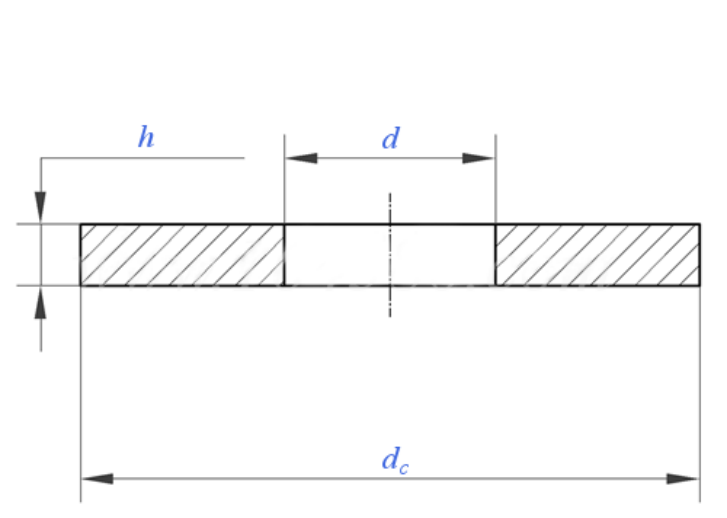
Washers and bolts represent a fundamental fastening system employed across virtually all engineering disciplines. These components are integral to structural integrity in sectors ranging from aerospace and automotive to civil infrastructure and heavy machinery. The bolt provides the tensile strength, clamping force, and resistance to shear, while the washer distributes the load, prevents damage to the joined materials, and maintains preload under dynamic conditions. Understanding the interplay between material selection, manufacturing processes, and performance characteristics is crucial for ensuring reliable and long-lasting bolted joints. Core industry pain points revolve around corrosion-induced failures, fatigue cracking under cyclical loading, and ensuring consistent clamping force across varying environmental conditions. This guide details the comprehensive technical aspects of washers and bolts, providing a deep dive into material science, manufacturing methodologies, performance analysis, failure modes, and relevant international standards.
Material Science & Manufacturing
Bolts are predominantly manufactured from carbon steels (low, medium, and high carbon), alloy steels (containing elements like manganese, chromium, molybdenum, nickel), and stainless steels (containing a minimum of 10.5% chromium). Washer materials commonly mirror bolt materials for galvanic compatibility, but also include hardened steel, stainless steel, aluminum, copper, and various polymers. The manufacturing process for bolts typically involves cold heading, hot forging, or machining from bar stock. Cold heading offers superior material strength due to work hardening but is limited to simpler geometries. Hot forging provides greater flexibility in shape and allows for larger bolt sizes. Machining offers the highest precision but is more costly and generates material waste. Washer manufacturing primarily involves stamping from sheet metal or machining. Critical parameters during bolt and washer production include precise control of material composition, heat treatment processes (annealing, quenching, tempering) to achieve desired hardness and ductility, and surface finish to minimize stress concentrations. Thread rolling, a cold-forming process, is favored for bolt threads as it doesn’t cut material, preserving grain flow and increasing thread strength. Surface treatments like galvanizing, zinc plating, and phosphate coating are applied to enhance corrosion resistance. For high-strength bolts, controlled atmosphere heat treatment and quenching & tempering are essential to achieve specific mechanical properties. Material certifications conforming to standards like ASTM A307, A325, A570, and ISO 898 are paramount for ensuring quality and traceability.
Performance & Engineering
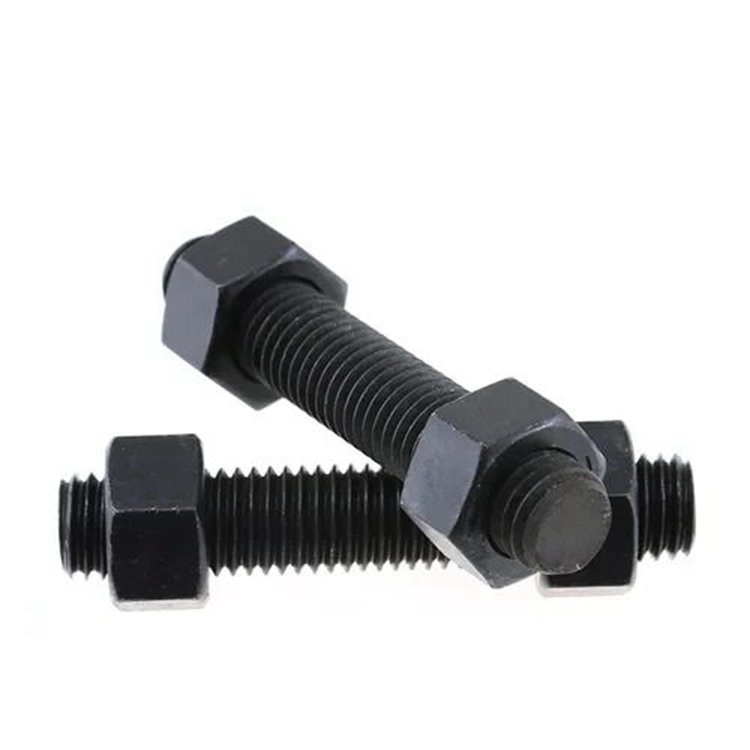
The performance of a bolted joint is dictated by several engineering factors. Tensile strength, representing the maximum stress the bolt can withstand before fracture, is a primary consideration, typically determined via tensile testing (ASTM A370). Yield strength defines the point at which permanent deformation occurs. Proof load, a non-destructive test, verifies the bolt’s ability to withstand a specified load without permanent deformation. Clamping force, a critical parameter, is influenced by bolt preload, friction coefficient between the mating surfaces, and bolt diameter. Preload is achieved through tightening to a specified torque or by using methods like turn-of-nut tightening. Fatigue resistance is paramount in applications subject to cyclical loading. Fatigue life is significantly affected by stress concentration points (e.g., thread roots, bolt head), surface finish, and the presence of corrosion. Environmental resistance involves evaluating the bolt's performance in corrosive environments (e.g., saltwater, acidic atmospheres) through salt spray testing (ASTM B117). Washers play a vital role in distributing load and preventing stress concentrations. Hardness testing (Rockwell, Vickers) verifies the material’s resistance to indentation and wear. Compliance requirements often necessitate adherence to industry-specific standards like those established by ASME, API, and ISO, depending on the application (e.g., pressure vessels, offshore structures).
Technical Specifications
| Bolt Grade (SAE) | Tensile Strength (MPa) | Yield Strength (MPa) | Hardness (Rockwell C) |
|---|---|---|---|
| Grade 2 | 400-517 | 240-345 | 20-30 |
| Grade 5 | 690-793 | 414-517 | 24-34 |
| Grade 8 | 950-1045 | 690-830 | 32-45 |
| A2 Stainless Steel | 500-700 | 200-350 | 20-28 |
| A4 Stainless Steel | 830-1000 | 550-700 | 28-35 |
| Washer Type | Material | Outer Diameter (mm) | Inner Diameter (mm) |
Failure Mode & Maintenance
Bolted joint failure modes are diverse. Fatigue cracking, initiated at stress concentration points like thread roots or under the bolt head, is a common failure mechanism under cyclical loading. Corrosion, particularly galvanic corrosion between dissimilar metals, weakens the bolt and can lead to fracture. Hydrogen embrittlement, induced by exposure to hydrogen-containing environments, reduces ductility and promotes crack propagation. Thread stripping occurs when the threads are overloaded, resulting in loss of clamping force. Bolt loosening, caused by vibration, creep, or thermal expansion/contraction, reduces preload and can lead to joint separation. Washers can fail through crushing, deformation, or corrosion. Maintenance practices include regular visual inspections for signs of corrosion, cracking, or deformation. Torque checks should be performed periodically to ensure proper preload. Lubrication of threads reduces friction and prevents galling. Protective coatings (e.g., galvanizing, paint) can enhance corrosion resistance. For critical applications, non-destructive testing methods (e.g., ultrasonic testing, magnetic particle inspection) can detect subsurface cracks or defects. Replacement of corroded or damaged bolts and washers is essential for maintaining joint integrity. Implementing a preventive maintenance schedule tailored to the specific application and environmental conditions is crucial.
Industry FAQ
Q: What is the impact of thread engagement length on bolt strength?
A: Thread engagement length significantly impacts bolt strength. A shorter engagement length reduces the effective tensile stress area, lowering the bolt's capacity to resist tensile loads. Insufficient engagement can lead to thread stripping. Industry standards specify minimum engagement lengths based on bolt material and diameter. Generally, a full thread engagement is preferred for maximizing strength.
Q: How does the choice of washer material affect performance in corrosive environments?
A: Washer material is critical in corrosive environments. Using a washer made from a material less noble than the bolt will cause the washer to corrode sacrificially, protecting the bolt. Stainless steel washers are a common choice, but the specific grade (e.g., 304, 316) depends on the severity of the corrosion. Polymers can also be used as washers for electrical isolation and corrosion resistance.
Q: What are the benefits of using flanged nuts vs. standard nuts with washers?
A: Flanged nuts integrate the washer function directly into the nut, providing a larger bearing surface and distributing load more evenly. This reduces the risk of damaging the joined materials, particularly softer ones. They also simplify assembly and reduce the number of components. However, they may be more expensive than separate nuts and washers.
Q: What is the significance of bolt preload and how is it accurately achieved?
A: Bolt preload creates a clamping force that resists joint separation. Proper preload is essential for maintaining joint integrity, preventing loosening, and maximizing fatigue life. Accurate preload achievement relies on controlled tightening methods such as torque control, turn-of-nut tightening, or direct tension indicators (DTIs). The appropriate method depends on the criticality of the application and the required accuracy.
Q: What are the key considerations when selecting bolts for high-temperature applications?
A: High-temperature applications require bolts with excellent creep resistance and oxidation resistance. Alloy steels (e.g., those containing chromium and molybdenum) are commonly used. It’s critical to consider the operating temperature and the potential for creep relaxation, which can reduce preload over time. Special coatings may be required to protect against oxidation.
Conclusion
The selection and application of washers and bolts are far from trivial, requiring a deep understanding of material science, manufacturing processes, and engineering principles. The interplay between bolt grade, preload, environmental factors, and proper maintenance dictates the long-term reliability of any bolted joint. Prioritizing precise material specifications, controlled manufacturing practices, and adherence to relevant industry standards is paramount for mitigating failure risks and ensuring structural integrity.
Future advancements in bolted joint technology will likely focus on smart fasteners incorporating sensors for real-time preload monitoring, self-tightening mechanisms, and novel corrosion-resistant coatings. Continued research into fatigue behavior and failure analysis will also be crucial for optimizing bolted joint designs and extending service life. A proactive approach to maintenance and inspection, coupled with ongoing training for engineering personnel, is vital for maintaining the integrity of critical infrastructure and ensuring operational safety.