
Introduction
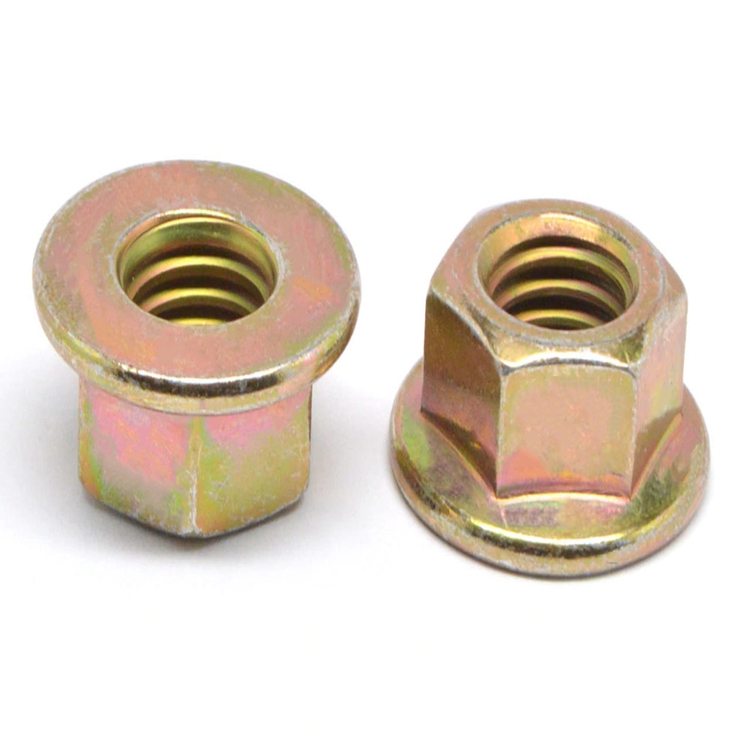
Thermostat housing bolts are critical fasteners within internal combustion engine cooling systems, securing the thermostat housing to the engine block. Their primary function is to maintain a leak-proof seal, ensuring proper coolant circulation and temperature regulation. These bolts are not merely commodity fasteners; they are engineered components subject to high stresses from thermal cycling, vibration, and corrosive environments. Failure can lead to coolant leaks, engine overheating, and potentially catastrophic engine damage. The industry chain involves steel manufacturers supplying raw materials, bolt manufacturers performing forming, threading, and coating operations, and finally, automotive OEMs and aftermarket parts distributors. Core performance characteristics include tensile strength, corrosion resistance, fatigue life, and dimensional accuracy to ensure proper clamping force distribution.
Material Science & Manufacturing
Thermostat housing bolts are predominantly manufactured from medium carbon steel alloys, specifically SAE 10B21, 4140, or 5140, chosen for their balance of strength, ductility, and hardenability. Stainless steel grades, such as 304 or 316, are increasingly used in applications requiring superior corrosion resistance, particularly in marine or chemically aggressive environments. The manufacturing process typically begins with cold heading or hot forging to form the bolt shape. Following forming, the bolts undergo machining operations to achieve precise thread tolerances and head dimensions. Critical parameters during the forming process include die temperature, forging pressure, and cooling rate, all of which influence the grain structure and mechanical properties. Thread rolling is preferred over thread cutting as it imparts compressive residual stresses, enhancing fatigue resistance. Surface treatments are essential. Phosphate coating (zinc or manganese phosphate) provides a base for corrosion protection and improves lubricant retention. Dacromet and Geomet coatings offer significantly enhanced corrosion resistance through a zinc-flake based system. Post-coating, bolts are often subjected to heat treatment – typically quenching and tempering – to achieve the desired hardness and tensile strength. Precise control of austenitizing temperature, quenching medium, and tempering temperature is crucial to prevent cracking or distortion.
Performance & Engineering
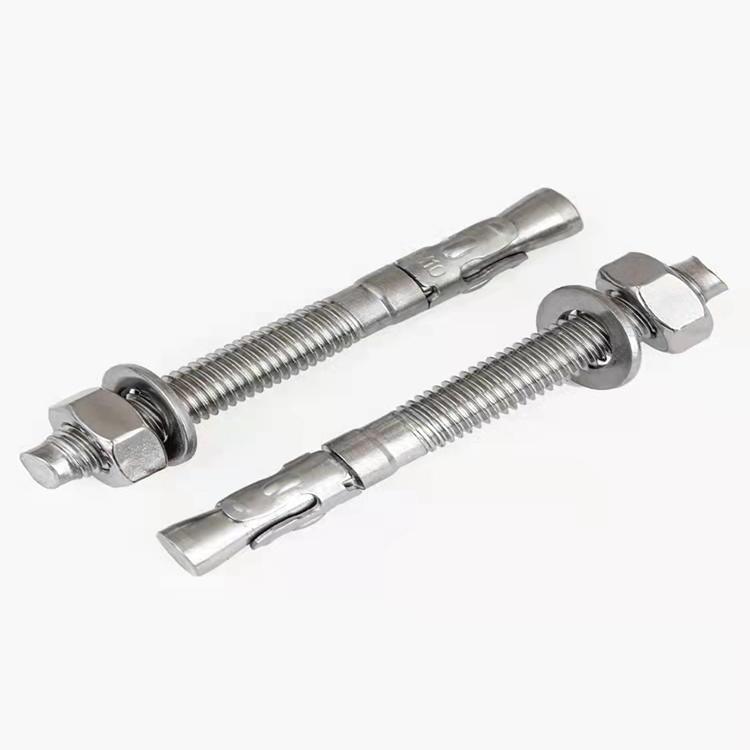
The performance of thermostat housing bolts is dictated by several engineering considerations. Clamping force is paramount; insufficient clamping force can lead to coolant leakage, while excessive clamping force can distort the thermostat housing or strip threads. Bolt preload is determined by the bolt’s material properties, diameter, and tightening torque. Finite Element Analysis (FEA) is commonly used to optimize bolt geometry and preload distribution to minimize stress concentrations. Thermal cycling poses a significant challenge. The expansion and contraction of the engine block and thermostat housing create cyclical stresses on the bolts. Fatigue analysis is therefore critical, focusing on determining the bolt’s endurance limit and ensuring it exceeds the expected stress range. Corrosion is another key concern, particularly galvanic corrosion resulting from dissimilar metal contact between the steel bolt, aluminum housing, and cast iron block. Coating selection and the use of compatible materials are vital to mitigate this risk. Environmental resistance requires consideration of coolant composition (ethylene glycol, silicates, phosphates) and operating temperatures. Compliance requirements, particularly those outlined by automotive OEM specifications (e.g., Ford WSS-M21P42-B1, GM 6035C) dictate stringent performance criteria for strength, corrosion resistance, and material composition.
Technical Specifications
| Material Grade | Tensile Strength (MPa) | Yield Strength (MPa) | Coating Type |
|---|---|---|---|
| SAE 10B21 | 620-760 | 440-590 | Zinc Phosphate |
| 4140 | 790-965 | 655-830 | Dacromet 5000 |
| 5140 | 860-1035 | 725-895 | Geomet 720 |
| 304 Stainless Steel | 517-724 | 276-414 | None (Passivated) |
| 316 Stainless Steel | 620-790 | 276-414 | None (Passivated) |
| Bolt Diameter (mm) | 8 | 10 | 12 |
Failure Mode & Maintenance
Thermostat housing bolts are susceptible to several failure modes. Fatigue cracking, often initiated at thread roots or under the bolt head, is common due to cyclical loading. Corrosion, particularly crevice corrosion at the interface between the bolt and housing, weakens the bolt and promotes stress corrosion cracking. Hydrogen embrittlement, induced by the corrosive environment and high tensile stresses, can lead to brittle fracture. Strip threads in the engine block or thermostat housing are a frequent failure, often resulting from over-tightening or repeated installation/removal. Galling, caused by friction between mating threads, can also lead to seizure and damage. Maintenance primarily involves periodic inspection for signs of corrosion, damage, or loose bolts. Torque specifications must be strictly adhered to during installation. The use of anti-seize lubricant can prevent galling and facilitate future removal. If corrosion is evident, the bolts should be replaced. When replacing bolts, it is crucial to use the correct material grade and coating to ensure compatibility with the cooling system and prevent galvanic corrosion. Regular coolant analysis and maintaining proper coolant levels also contribute to preventing bolt failure.
Industry FAQ
Q: What is the impact of using bolts with incorrect material strength compared to OEM specifications?
A: Using bolts with lower material strength than OEM specifications can lead to premature failure, particularly fatigue cracking, due to insufficient resistance to cyclical stresses. Conversely, using excessively strong bolts can distort the thermostat housing or strip threads during installation, resulting in coolant leaks. Adherence to OEM material specifications is critical for maintaining cooling system integrity.
Q: How does the coolant composition affect the corrosion resistance of thermostat housing bolts?
A: Coolant composition significantly impacts corrosion resistance. Traditional coolants containing silicates can contribute to galvanic corrosion, especially when in contact with aluminum housings. Organic Acid Technology (OAT) coolants are generally less corrosive, but compatibility with the bolt’s coating must be verified. Maintaining proper coolant concentration and regularly flushing the cooling system are essential.
Q: What are the best practices for torqueing thermostat housing bolts?
A: Torque specifications provided by the OEM must be strictly followed. Use a calibrated torque wrench. Employ a star pattern when tightening bolts to ensure even clamping force distribution. Avoid over-tightening, as this can strip threads or distort the housing. Applying a thin layer of anti-seize lubricant to the threads can help prevent galling and ensure accurate torque readings.
Q: How can we prevent thread stripping in the engine block when replacing thermostat housing bolts?
A: Preventative measures include using a calibrated torque wrench, applying anti-seize lubricant to the threads, and avoiding repeated installation/removal cycles. If threads are already damaged, consider using a thread repair kit (e.g., Heli-Coil) to restore the original thread integrity. Avoid using excessive force during installation.
Q: What is the role of surface coatings in extending the life of thermostat housing bolts?
A: Surface coatings provide a barrier against corrosion, enhancing the bolt’s resistance to environmental degradation. Phosphate coatings offer a cost-effective base for corrosion protection, while zinc-flake coatings (Dacromet, Geomet) provide significantly superior corrosion resistance, particularly in harsh environments. Coating selection should be based on the operating conditions and coolant composition.
Conclusion
Thermostat housing bolts are deceptively simple components whose proper selection, installation, and maintenance are crucial for ensuring reliable engine cooling system performance. Understanding the material science, manufacturing processes, and engineering principles governing their behavior is essential for preventing premature failure and mitigating the risk of engine damage. The optimal bolt choice hinges on a comprehensive assessment of the operating environment, coolant compatibility, and OEM specifications.
Future advancements in bolt technology will likely focus on developing even more corrosion-resistant coatings, optimizing bolt geometries for enhanced fatigue life, and incorporating smart sensing capabilities to monitor bolt preload and detect potential failures. Continued research into material science and manufacturing techniques will drive further improvements in the performance and durability of these critical fasteners.