
Introduction
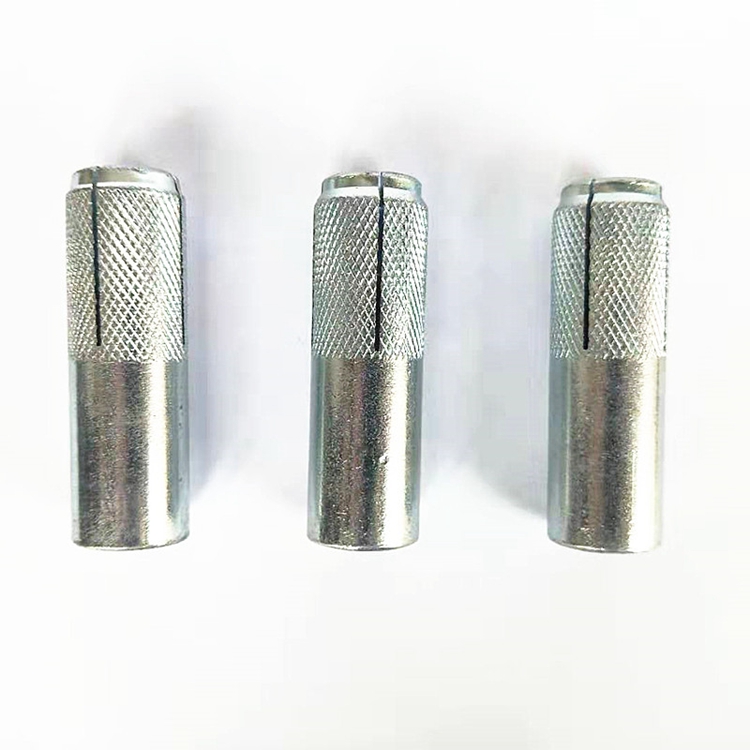
Motorcycle bolts are critical fastening components employed throughout the motorcycle chassis and engine systems. They range in size and material composition, each selected to withstand specific loads, temperatures, and environmental conditions. Their technical position within the supply chain begins with raw material sourcing (steel alloys, titanium, aluminum) and progresses through forging, machining, heat treatment, and surface finishing before assembly into complete motorcycles. Core performance characteristics include tensile strength, yield strength, fatigue resistance, corrosion resistance, and clamping force. The industry faces challenges concerning weight reduction, improved durability for high-performance applications, and maintaining consistent quality amidst complex global supply networks. Improper bolt selection or maintenance can lead to catastrophic failures, emphasizing the importance of adhering to engineering specifications and maintenance schedules.
Material Science & Manufacturing
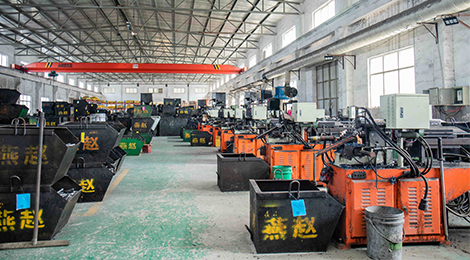
Motorcycle bolts are predominantly manufactured from high-strength steel alloys, specifically alloy steels containing chromium, molybdenum, and nickel to enhance their mechanical properties. Common grades include 4140 (Chromoly), 8.8, 10.9, and 12.9 metric steel, differentiated by their tensile strength and yield strength. Titanium alloys (Grade 5 – Ti-6Al-4V being prevalent) are used in performance applications demanding high strength-to-weight ratios and superior corrosion resistance. Aluminum alloys (typically 7075-T6) find application in non-critical areas where weight savings are paramount. Manufacturing processes involve cold forging or hot forging to create the bolt blank. This is followed by precision machining to achieve the desired thread form (metric, UNC, UNF) and head style. Thread rolling is preferred over thread cutting as it enhances fatigue strength by maintaining grain flow. Heat treatment – hardening, tempering, and sometimes case hardening – is crucial to achieve the specified mechanical properties. Surface treatments like zinc plating, black oxide, or specialized coatings (e.g., DLC - Diamond-Like Carbon) provide corrosion protection. Critical parameter control during heat treatment (temperature, time, cooling rate) is essential to prevent embrittlement or reduced strength. Quality control encompasses dimensional inspection, material composition verification (using techniques like spectrometry), and destructive testing (tensile, yield, and fatigue testing) to ensure conformance to standards.
Performance & Engineering
The performance of motorcycle bolts is dictated by their ability to withstand static and dynamic loads, vibrational stresses, and corrosive environments. Force analysis, often employing Finite Element Analysis (FEA), is used to determine the stress distribution within the bolt and surrounding components under various load conditions. Preload, the initial tension applied to the bolt during tightening, is a critical factor influencing joint performance; insufficient preload can lead to loosening, while excessive preload can cause yielding or fatigue failure. Environmental resistance is paramount; exposure to road salt, moisture, and temperature fluctuations can induce corrosion. Fatigue resistance is especially important in motorcycle applications due to the continuous cyclical loading experienced by the chassis and engine. Compliance requirements are governed by industry standards (detailed in the footer) and OEM specifications. The correct bolt grade and tightening torque must be specified to ensure joint integrity. Functional implementation involves proper bolt selection based on application (engine bolts require higher temperature resistance, chassis bolts prioritize shear strength), accurate torque application using calibrated torque wrenches, and periodic inspection for signs of loosening or corrosion. Bolt stretch measurement using ultrasonic elongation measurement is increasingly employed for critical applications to verify preload accuracy.
Technical Specifications
| Bolt Grade | Tensile Strength (MPa) | Yield Strength (MPa) | Hardness (HRC) |
|---|---|---|---|
| 8.8 | 800 | 640 | 33-39 |
| 10.9 | 1000 | 980 | 37-43 |
| 12.9 | 1200 | 1100 | 42-48 |
| Ti-6Al-4V (Grade 5) | 895 | 828 | 30-35 |
| 7075-T6 Aluminum | 572 | 510 | 15-20 |
| 4140 Steel (Hardened & Tempered) | Variable (850-1200 depending on treatment) | Variable (700-1000 depending on treatment) | 30-45 |
Failure Mode & Maintenance
Motorcycle bolts are susceptible to several failure modes. Fatigue cracking, initiated by cyclical loading, is a common failure mechanism, particularly in chassis components. Corrosion, particularly galvanic corrosion between dissimilar metals, can weaken bolts and lead to failure. Hydrogen embrittlement, caused by atomic hydrogen diffusing into the steel lattice, can reduce ductility and promote cracking, especially in high-strength bolts. Stripping of threads, resulting from excessive torque or damaged threads, renders the joint ineffective. Shear failure occurs when the bolt is subjected to excessive shear stress. Maintenance practices crucial for preventing failure include regular visual inspection for signs of corrosion, looseness, or damage. Proper torque application using a calibrated torque wrench is essential during assembly and re-assembly. Applying anti-seize lubricant to bolt threads prevents galling and facilitates disassembly. Periodic retorquing, especially after initial operation or exposure to harsh conditions, is recommended. Replacing bolts that show signs of corrosion or damage is critical. In cases of suspected fatigue cracking, dye penetrant inspection can reveal surface cracks. For critical applications, ultrasonic testing can detect internal flaws. Proper storage of bolts in a dry environment prevents corrosion.
Industry FAQ
Q: What is the impact of preload on bolt fatigue life?
A: Increased preload generally increases fatigue life up to a certain point. Optimal preload creates compressive residual stresses that counteract tensile stresses from external loads. However, exceeding the bolt's yield strength significantly reduces fatigue life. Accurate torque control or bolt stretch measurement is critical for achieving optimal preload.
Q: How do I select the appropriate corrosion protection for motorcycle bolts?
A: The appropriate corrosion protection depends on the operating environment. Zinc plating provides adequate protection for general use, but is susceptible to white rust. Black oxide offers minimal corrosion resistance but improves aesthetics. For harsh environments (e.g., marine applications), specialized coatings like DLC, ceramic coatings, or stainless steel bolts are recommended. Consider galvanic compatibility between the bolt and surrounding components.
Q: What is the significance of bolt material traceability?
A: Material traceability is vital for ensuring quality and accountability. It allows manufacturers to track the origin of the bolt material, heat treatment records, and inspection results. This is especially important for critical applications where failure could have severe consequences. Documentation should conform to relevant industry standards (e.g., ISO 9001).
Q: Can I reuse a motorcycle bolt after disassembly?
A: Reusing a bolt is generally not recommended, especially for critical applications like engine or suspension components. The bolt may have been plastically deformed during tightening, reducing its preload capacity. Threads may be damaged. Corrosion can weaken the bolt. Replacing bolts ensures consistent clamping force and joint integrity.
Q: What are the key differences between metric and UNC/UNF thread standards?
A: Metric threads use a 60-degree thread angle and are defined by their diameter and pitch (distance between threads). UNC (Unified National Coarse) and UNF (Unified National Fine) threads also use a 60-degree angle but are defined by their diameter and threads per inch. Metric threads are increasingly common in motorcycle applications due to their simplicity and wider availability. Compatibility between thread types is not guaranteed and can lead to joint failure.
Conclusion
Motorcycle bolts represent a deceptively complex component vital for the safe and reliable operation of a motorcycle. Selecting the appropriate material, manufacturing process, and surface treatment is paramount to ensuring sufficient strength, durability, and corrosion resistance. Understanding the principles of preload, fatigue, and failure modes is crucial for engineers and maintenance personnel. Adhering to established industry standards and OEM specifications is non-negotiable.
Future developments in motorcycle bolt technology will likely focus on advanced materials (e.g., higher-strength titanium alloys, composite materials), improved corrosion protection (e.g., self-healing coatings), and smart bolts with integrated sensors for monitoring preload and detecting potential failures. Continuous refinement of manufacturing processes and quality control procedures will also be essential for meeting the increasing demands of high-performance motorcycle applications.