
Introduction
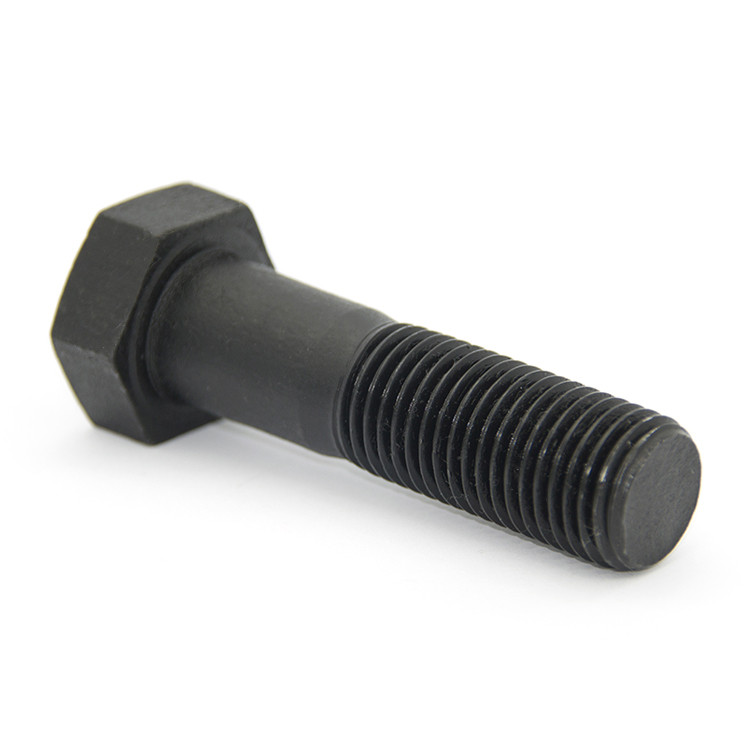
Crib bolts are critical fastening components specifically designed for use in the construction of cribs – temporary, modular structures used extensively in surface and underground mining operations, particularly for ground support. Unlike general-purpose bolts, crib bolts are engineered to withstand the dynamic loading conditions and cyclical stress inherent in crib construction and subsequent ground movement. Their technical position lies within the broader domain of rock bolting and ground control systems, but distinguishes itself through its application-specific design parameters. Core performance characteristics include shear strength, tensile strength, ductility, and consistent load-bearing capacity under sustained stress and repeated deflection. The selection of appropriate crib bolts is paramount to the structural integrity of the crib and, consequently, the safety of personnel and continued operability of the mine.
Material Science & Manufacturing
The most common material for crib bolts is medium carbon steel (typically AISI 1045 or equivalent), chosen for its balance of strength, ductility, and cost-effectiveness. The steel undergoes a heat treatment process – quenching and tempering – to achieve the desired mechanical properties. Raw material composition is strictly controlled to minimize impurities like sulfur and phosphorus, which can negatively impact weldability and fracture toughness. Manufacturing typically involves cold heading to form the bolt head and shank, followed by thread rolling to create the threads. Critical parameters include die angle, feed rate, and lubrication during thread rolling, as these directly affect thread quality (surface finish, shear strength) and dimensional accuracy. The nut is also cold-formed and heat-treated, and often utilizes a similar steel grade. Surface treatment options, such as galvanizing or epoxy coating, are applied for corrosion protection, critical in the harsh underground mining environment. Material certifications confirming compliance with relevant steel standards (ASTM A307, ASTM A576) are essential. Recent developments explore the use of alloy steels (e.g., 4140) for applications demanding higher strength and fatigue resistance.
Performance & Engineering
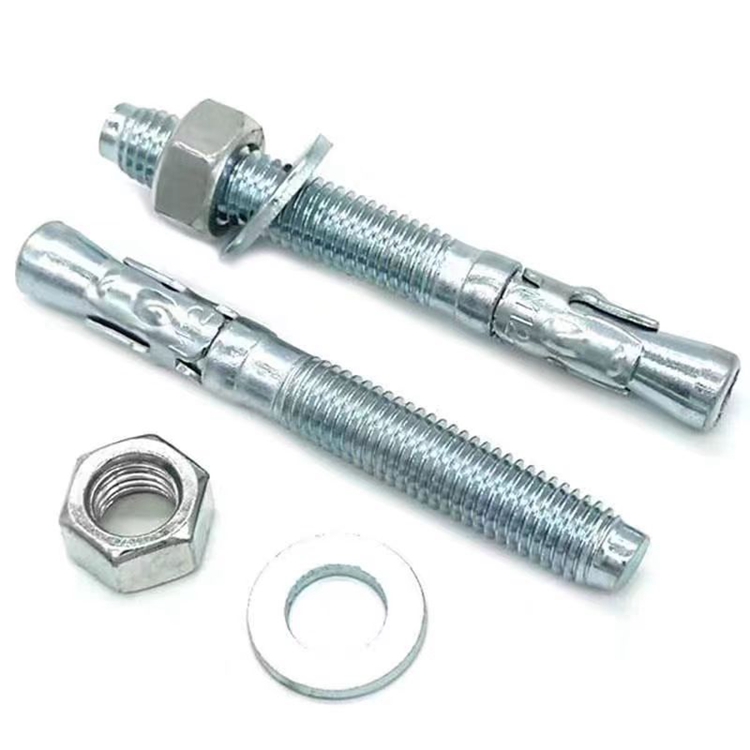
Crib bolt performance is fundamentally dictated by its ability to resist shear forces and tensile loads induced by ground movement and crib deformation. Force analysis involves calculating shear stress based on the area of the bolt exposed to the crib timber or rock interface, and tensile stress based on the bolt’s cross-sectional area. A key engineering consideration is the bolt’s elongation characteristics – a controlled degree of elongation is desirable to allow for crib adjustment and accommodate ground convergence without inducing excessive stress. Environmental resistance is paramount; cribs operate in highly corrosive environments, exposed to moisture, salts, and potentially aggressive chemicals. Galvanizing provides sacrificial corrosion protection, but its effectiveness diminishes over time. Epoxy coatings offer superior protection but require careful application to ensure complete coverage. Compliance requirements vary depending on jurisdiction, but typically adhere to MSHA (Mine Safety and Health Administration) regulations in the US, or equivalent standards in other mining regions. Finite Element Analysis (FEA) is increasingly used to optimize bolt design and predict performance under complex loading scenarios. The crib's overall stability is heavily influenced by bolt spacing and pattern, necessitating careful design calculations.
Technical Specifications
| Diameter (mm) | Length (mm) | Tensile Strength (MPa) | Shear Strength (kN) |
|---|---|---|---|
| 16 | 150 | 600 | 80 |
| 16 | 200 | 600 | 80 |
| 20 | 250 | 800 | 120 |
| 20 | 300 | 800 | 120 |
| 22 | 350 | 900 | 150 |
| 22 | 400 | 900 | 150 |
Failure Mode & Maintenance
Common failure modes for crib bolts include thread stripping, shear failure at the bolt/crib interface, tensile failure due to overstressing, and corrosion-induced weakening. Fatigue cracking can occur under cyclical loading, particularly in areas of stress concentration (e.g., thread roots). Delamination of galvanized coatings, particularly in acidic environments, accelerates corrosion. Oxidation of the steel core can lead to reduced cross-sectional area and diminished strength. Maintenance involves regular visual inspections to identify signs of corrosion, thread damage, or bolt loosening. Torque checks are crucial to ensure proper clamping force. In areas prone to corrosion, periodic re-galvanizing or application of corrosion inhibitors may be necessary. Damaged or corroded bolts should be replaced immediately. Proper installation techniques – correct torqueing, lubrication of threads – are essential to prevent premature failure. Record-keeping of bolt installations, inspections, and replacements is recommended for effective maintenance management. Failure analysis of retrieved bolts can provide valuable insights into the root causes of failures and inform future design or material selection.
Industry FAQ
Q: What is the significance of bolt ductility in a crib application?
A: Ductility is critical. Cribs are dynamic structures; ground movement causes deformation. A brittle bolt will fail catastrophically under this stress. A ductile bolt can elongate, redistributing the load and providing warning signs of impending failure (e.g., visible elongation), enhancing safety.
Q: How does thread quality impact crib bolt performance?
A: Poor thread quality – insufficient hardness, surface defects, or incorrect dimensions – significantly reduces shear strength and increases the risk of thread stripping. This can lead to sudden crib collapse. Thread rolling processes must be carefully controlled.
Q: What are the limitations of galvanizing as a corrosion protection method?
A: Galvanizing provides sacrificial protection, but its effectiveness is limited by its consumption rate. In acidic environments, or where damage exposes the underlying steel, corrosion protection is compromised. It also provides no protection against crevice corrosion.
Q: What is the proper torque specification for a 20mm crib bolt?
A: Proper torque specifications are dependent on the grade of steel, thread lubrication, and the crib timber type. Generally, a torque between 80-120 Nm is recommended, but always consult the manufacturer’s specifications and conduct trials to verify adequate clamping force.
Q: How often should crib bolts be inspected?
A: Inspection frequency depends on the ground conditions and mining activity. A minimum inspection interval of once per month is recommended, with more frequent inspections in areas of high ground movement or known instability. Detailed inspection reports are crucial.
Conclusion
Crib bolts are highly specialized fasteners that play a vital role in maintaining the safety and stability of underground mining operations. Their performance is dictated by a complex interplay of material science, manufacturing precision, and engineering design. Selecting the appropriate bolt grade, ensuring proper installation, and implementing a robust maintenance program are essential for mitigating the risk of failure and protecting personnel.
Future developments in crib bolt technology will likely focus on advanced corrosion protection methods (e.g., improved epoxy coatings, cathodic protection), the use of higher-strength alloy steels, and the integration of smart monitoring systems to provide real-time data on bolt load and condition. Continuous improvement in these areas will contribute to safer and more efficient mining practices.