
Pneumatic Handle Welding Machine is one example of the specialized equipment used to join metal components consistently, but welding is only one part of a well-designed assembly strategy. In fastener-dependent industries, manufacturers must decide where a mechanical connection offers flexibility and serviceability—and where a welded joint better supports strength, sealing, or production speed.
That decision matters across products such as ductwork, industrial containers, vehicle components, and equipment housings. Material thickness, operating conditions, access for maintenance, and production volume all influence whether a part should be bolted, riveted, spot-welded, or seam-welded. Treating joining as an early design consideration can reduce rework and help make quality more predictable.
Fasteners and welds solve different problems
Fasteners create discrete joints that can often be inspected, tightened, or removed. They are useful when assemblies require field servicing, when dissimilar materials need to be connected, or when heat could distort a finished part. Their performance depends on details that are easy to underestimate: hole quality, edge distance, thread engagement, clamp load, coating compatibility, and resistance to vibration.
Welding creates a continuous or localized bond between compatible materials. It can reduce the number of separate components and, in suitable designs, provide a leak-resistant seam or a compact joint. The trade-offs include heat input, distortion, residual stress, and the need to control process parameters. A weld may also complicate later disassembly or repairs.
These methods are not competitors in every application. A fabricated enclosure might use welded corners for rigidity and fasteners for removable service panels. A duct assembly could combine formed sections with welded connections in one area and bolted flanges in another. The strongest solution is usually the one that fits the function of each joint rather than applying one joining method everywhere.
Design for repeatable sheet-metal production
A joint that works on a prototype may be difficult to reproduce at production scale. Parts need to locate consistently, fit-up gaps must stay within a manageable range, and operators need clear access to the joint. Designers can support repeatability by specifying practical tolerances, avoiding unnecessary variations in material thickness, and considering how components will be held during forming and joining.
For fastener joints, production planning should account for tool clearance and assembly sequence. A bolt that is technically accessible on a drawing may be awkward to install once neighboring panels are in place. For welded joints, fixture design and a consistent sequence can help limit distortion. In either case, early collaboration between design, fabrication, and assembly teams can reveal avoidable complications before they become shop-floor problems.
Match the process to the material and application
Carbon steel, stainless steel, and galvanized sheet each bring different fabrication considerations. Coatings may affect weld preparation and fume controls, while heat can alter the appearance or corrosion protection around a joint. Mechanical fasteners also need to be selected with the base material and environment in mind: incompatible metals, moisture, and chemical exposure can contribute to corrosion over time.
In ventilation and duct production, for example, joint choices influence structural support, leakage control, ease of installation, and maintenance. Specialized equipment such as a Galvanized Duct Welding Machine represents one approach to joining galvanized sheet, while fastened connections may be more appropriate where access or future replacement is important. The process should be evaluated against the actual material specification and operating requirements, not just the speed of a single operation.
Build quality into inspection and process control
Inspection should reflect the risks of the joint. For fastened assemblies, checks may include fastener type, installation torque or other specified tightening criteria, seating, and signs of loosening. For welded parts, visual inspection can identify surface issues, but critical applications may require additional methods or documented process controls. Acceptance criteria should be established before production so that operators and inspectors share the same standard.
Consistency also depends on maintaining equipment and recording relevant settings. Changes in electrode condition, fixture wear, material batches, or operator technique can affect results. A practical quality system tracks the variables that matter to the application and investigates recurring defects at their source instead of relying only on end-of-line sorting.
A broader supply chain supports better joining decisions
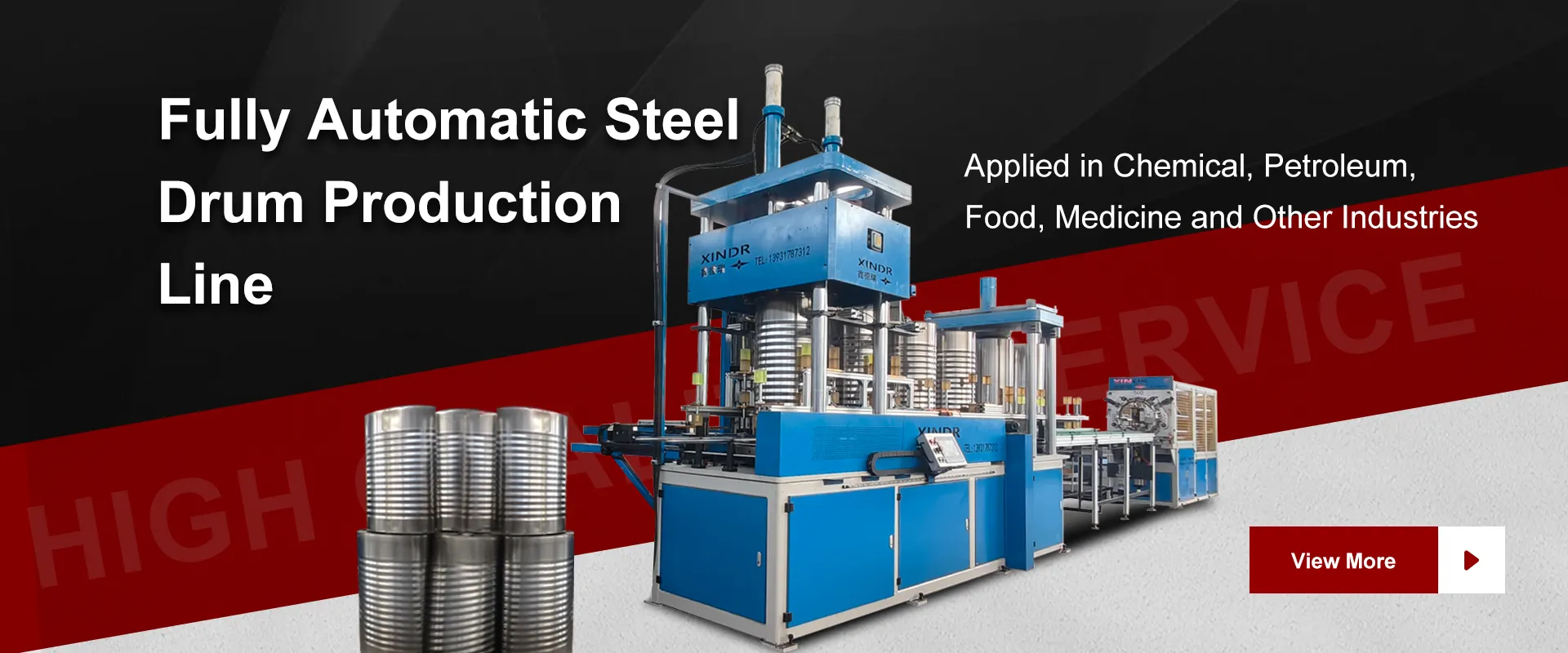
Fabricators increasingly depend on coordinated support across material supply, forming, welding, and assembly equipment. Hebei Xindrui Machinery Manufacturing Co., Ltd., based in Cangzhou, works across metal-container and corrugated-pipe production equipment, including machinery used in applications such as ventilation ducts and industrial containers. Its experience illustrates how equipment capability and process planning can shape the practical options available to manufacturers; the appropriate setup still depends on each project’s materials, geometry, and quality requirements.
For fastener businesses and sheet-metal manufacturers alike, the central lesson is straightforward: reliable assemblies begin with a clear understanding of what each joint must do. Selecting between welding and mechanical fastening—and designing the transition between them—can improve manufacturability, serviceability, and long-term performance. When those decisions are made early and supported by repeatable processes, both the finished product and the production line benefit.