
Introduction
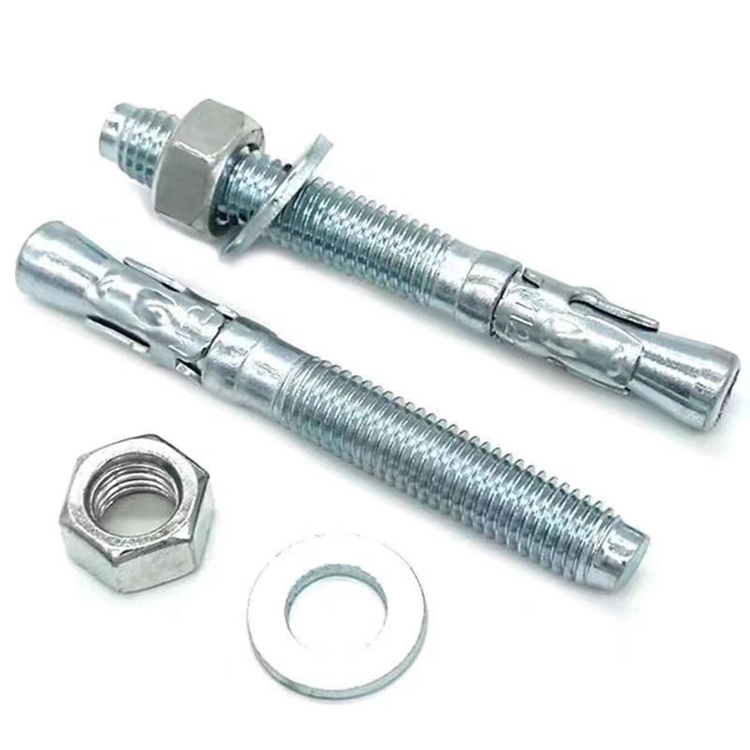
Barrel nuts and bolts represent a critical fastening system extensively utilized across diverse industrial applications, including aerospace, automotive manufacturing, and heavy equipment assembly. Functionally, a barrel nut (also known as a capture nut) provides a robust, reusable threaded insert, typically installed into a workpiece during manufacturing. The corresponding bolt then secures components against this pre-positioned nut, simplifying assembly and enhancing joint integrity. Unlike traditional nut and bolt pairings requiring manual alignment during assembly, barrel nuts offer significant advantages in automated production environments. Their inherent design mitigates cross-threading risks and reduces assembly time. Core performance characteristics are defined by shear strength, tensile strength, prevailing torque (where applicable, utilizing locking features), and corrosion resistance, determined by material selection and surface treatments. The increasing demand for lightweighting in industries like aerospace drives the adoption of high-strength, low-density barrel nut and bolt solutions. This guide provides an in-depth technical exploration of these components, covering material science, manufacturing processes, performance engineering, potential failure modes, and relevant industry standards.
Material Science & Manufacturing
Barrel nuts and bolts are commonly manufactured from carbon steels (e.g., AISI 1045, 4140), alloy steels (e.g., chromium-molybdenum alloys for high strength and toughness), and stainless steels (e.g., 304, 316 for corrosion resistance). Aluminum alloys (e.g., 7075) are utilized in aerospace applications requiring lightweight components. Material selection directly impacts mechanical properties like yield strength, ultimate tensile strength, and fatigue resistance. The manufacturing process for barrel nuts typically involves cold forming, machining, and heat treatment. Cold forming enhances material strength through work hardening. Machining refines dimensions and creates the internal thread. Heat treatment (hardening and tempering) optimizes the balance between hardness and ductility. Bolt manufacturing commonly utilizes a similar progression: heading (forming the head), rolling (creating the threads), and heat treatment. Thread rolling, a cold-forming process, is preferred over machining as it maintains the grain flow of the metal, enhancing thread strength and fatigue life. Surface treatments, such as zinc plating, cadmium plating, or passivization (for stainless steel), are applied to improve corrosion resistance. A critical parameter during manufacturing is thread accuracy – adherence to standards like ISO 6H or UNC-2A ensures proper engagement and prevents loosening. The chemical composition must be tightly controlled to meet specified mechanical property requirements. For example, precise carbon content control is essential in steel alloys to achieve desired hardness levels after heat treatment.
Performance & Engineering
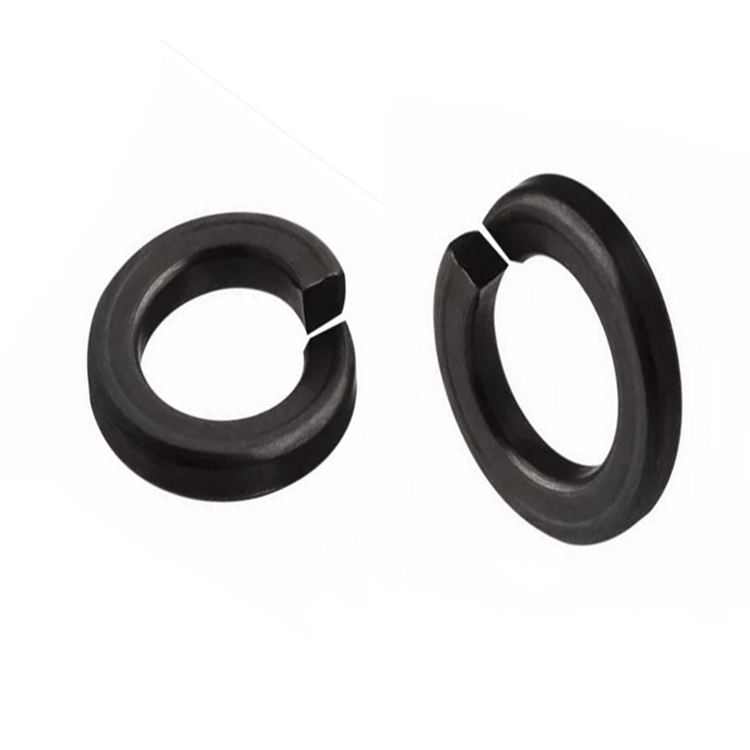
The performance of barrel nut and bolt assemblies is governed by several engineering principles. Force analysis focuses on tensile stress (resistance to pulling forces), shear stress (resistance to forces acting parallel to the joint), and torsional stress (resistance to twisting forces). Bolt preload, the initial tension applied to the bolt during tightening, is crucial for maintaining joint integrity. Insufficient preload can lead to loosening due to vibration or cyclic loading; excessive preload can yield the bolt or damage the clamped materials. Environmental resistance is a key consideration. Exposure to corrosive environments (salt spray, humidity, chemicals) can initiate corrosion, weakening the joint. Material selection and surface treatments directly impact corrosion resistance. Compliance requirements vary depending on the application. Aerospace applications, for example, are subject to stringent FAA regulations regarding material traceability, mechanical testing, and non-destructive inspection. In automotive manufacturing, compliance with standards like IATF 16949 necessitates robust quality control procedures. Finite element analysis (FEA) is often employed to simulate stress distributions within the joint under various loading conditions, optimizing bolt size, preload, and material selection. Locking mechanisms, such as nylon inserts or prevailing torque features, are incorporated into barrel nuts to resist loosening due to vibration. The effectiveness of these locking features is quantified by prevailing torque values, specified in industry standards. Fatigue analysis, crucial for applications involving cyclic loading, assesses the long-term durability of the joint and predicts its service life.
Technical Specifications
| Parameter | AISI 1045 Steel (Typical) | Stainless Steel 304 | Aluminum Alloy 7075-T6 | Grade 5 Bolt (SAE) |
|---|---|---|---|---|
| Tensile Strength (MPa) | 620-860 | 500-700 | 570-690 | 830 |
| Yield Strength (MPa) | 310-550 | 210-310 | 500-570 | 690 |
| Hardness (Rockwell C) | 25-45 | 20-30 | 150-180 BHN | 30 |
| Corrosion Resistance | Low (Requires Coating) | Good | Moderate (Requires Coating) | Moderate (Requires Coating) |
| Operating Temperature (°C) | -30 to 200 | -196 to 343 | -54 to 150 | -30 to 200 |
| Typical Applications | General Industrial Fastening | Corrosive Environments, Food Processing | Aerospace, High Strength-to-Weight Ratio | Automotive, Machinery |
Failure Mode & Maintenance
Barrel nuts and bolts are susceptible to several failure modes. Fatigue cracking, initiated by cyclic loading, is a common failure mechanism, particularly in joints subjected to vibration. This typically begins at stress concentration points, such as thread roots or bolt head corners. Corrosion is another prevalent failure mode, especially in harsh environments. Galvanic corrosion can occur when dissimilar metals are in contact in the presence of an electrolyte. Hydrogen embrittlement, a phenomenon where hydrogen atoms diffuse into the metal lattice, can reduce ductility and increase susceptibility to cracking, particularly in high-strength steels. Stripping of threads, resulting from excessive torque or improper thread engagement, renders the joint ineffective. Shear failure, where the bolt or nut shears across its cross-section, occurs when the shear stress exceeds the material’s shear strength. Preventive maintenance is crucial for extending the service life of these fasteners. Regular inspection for signs of corrosion, cracking, or loosening is essential. Lubrication of threads reduces friction and prevents galling. Proper torque control, using calibrated torque wrenches, ensures adequate preload without exceeding material limits. Periodic retightening may be necessary for joints subjected to significant vibration. For critical applications, non-destructive testing methods, such as ultrasonic inspection or dye penetrant testing, can detect hidden cracks or defects. Replacement of corroded or damaged fasteners is imperative to maintain joint integrity. Careful consideration of environmental factors and appropriate material selection are fundamental to mitigating failure risks.
Industry FAQ
Q: What are the primary advantages of using barrel nuts over traditional loose nuts in automated assembly?
A: Barrel nuts eliminate the need for manual nut alignment during assembly, significantly reducing assembly time and labor costs. Their captive design prevents loss of the nut during the process, streamlining automated lines. They also minimize the risk of cross-threading, improving assembly yields and product quality.
Q: How does the choice of plating affect the corrosion resistance of a steel barrel nut?
A: Zinc plating offers good corrosion protection at a relatively low cost, suitable for moderately corrosive environments. Cadmium plating provides superior corrosion resistance but is subject to increasing environmental regulations. Passivation treatments on stainless steel enhance the natural corrosion resistance of the alloy by forming a protective oxide layer.
Q: What is the significance of prevailing torque in barrel nuts, and how is it measured?
A: Prevailing torque refers to the resistance to rotation of a barrel nut when the bolt is installed. It’s generated by features like nylon inserts or deformed threads, preventing loosening due to vibration. It is measured using a torque wrench and specifies the amount of torque required to begin turning the nut after the bolt is initially engaged.
Q: What factors should be considered when selecting a barrel nut and bolt material for aerospace applications?
A: Weight is a critical factor, often driving the selection of aluminum alloys or titanium alloys. High strength-to-weight ratio, fatigue resistance, and corrosion resistance are paramount. Material traceability and compliance with aerospace standards (e.g., AMS, NAS) are also essential.
Q: How can fatigue failure be prevented in barrel nut and bolt joints subjected to high-cycle loading?
A: Proper preload is crucial to minimize stress fluctuations. Surface treatments like shot peening can induce compressive residual stresses, increasing fatigue life. Careful design to avoid stress concentrations (e.g., sharp corners, notches) is essential. Regular inspection and replacement of fasteners showing signs of fatigue are also important preventative measures.
Conclusion
Barrel nuts and bolts constitute a highly engineered fastening solution critical to numerous industries. Their performance is dictated by a complex interplay of material science, manufacturing precision, and engineering design principles. Understanding the nuances of material selection, thread forming, surface treatments, and potential failure modes is paramount to ensuring long-term joint integrity and reliability. The trend towards lightweighting and increased automation necessitates a continued focus on high-strength, corrosion-resistant, and easily integrated barrel nut and bolt systems.
Future advancements will likely focus on developing novel materials with enhanced fatigue resistance and corrosion protection, implementing more sophisticated locking mechanisms, and optimizing designs through advanced simulation techniques. The integration of smart fasteners, incorporating sensors for monitoring preload and detecting corrosion, may become increasingly prevalent, enabling predictive maintenance and enhancing safety. Adherence to evolving industry standards and a commitment to rigorous quality control will remain vital for maintaining the integrity and performance of these essential components.