
Introduction
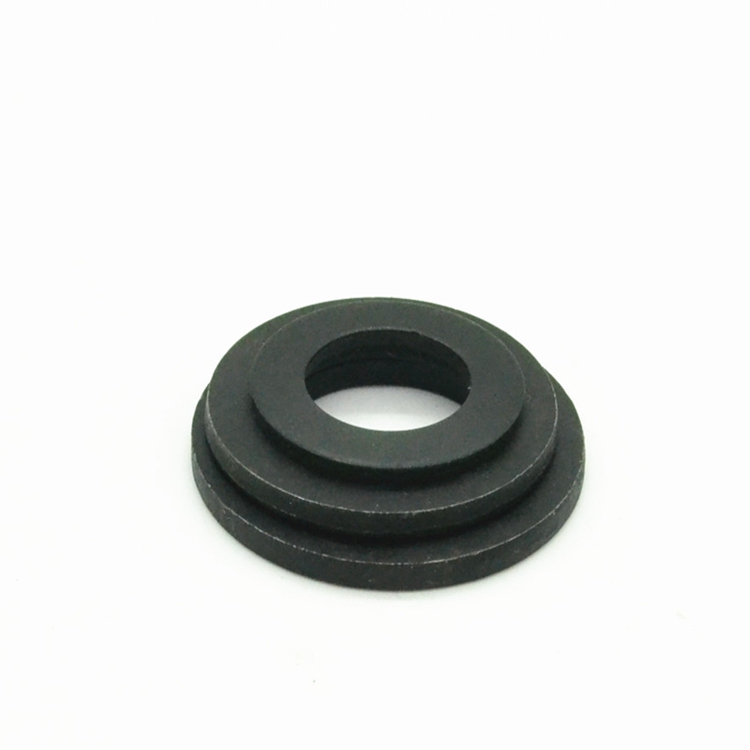
Assorted bolts and nuts represent fundamental fastening elements across virtually all engineering disciplines. Their technical position within the industry chain is as critical components enabling the assembly and structural integrity of larger systems, ranging from automotive manufacturing and aerospace engineering to construction and general industrial machinery. These fasteners aren't merely commodity items; their performance directly influences the reliability, safety, and longevity of the assembled product. Core performance characteristics center around tensile strength, yield strength, shear strength, fatigue resistance, and corrosion resistance. Variations in material composition, manufacturing processes, and coating applications dictate these properties, making careful selection paramount. A significant industry pain point revolves around ensuring consistent quality control across diverse sourcing options and mitigating the risk of fastener failure due to material defects, improper heat treatment, or inadequate corrosion protection. Furthermore, traceability and compliance with evolving industry standards are persistent challenges.
Material Science & Manufacturing
The primary materials utilized in bolt and nut manufacturing are carbon steels, alloy steels, stainless steels, and, less commonly, aluminum, brass, or titanium alloys. Carbon steel, specifically medium carbon steel (e.g., AISI 1045), offers a balance of strength and cost-effectiveness. Alloy steels, incorporating elements like chromium, molybdenum, and vanadium, provide enhanced hardenability, toughness, and wear resistance. Stainless steels (e.g., 304, 316) are valued for their corrosion resistance, crucial in outdoor or chemically aggressive environments. Manufacturing processes commonly include cold heading, hot forging, and machining. Cold heading is preferred for high-volume production of smaller fasteners, offering material savings and improved strength through work hardening. Hot forging is used for larger fasteners and those requiring higher strength. Machining is employed for specialized fasteners or when precise dimensions and thread tolerances are required. Key parameter control during manufacturing focuses on precise control of metal composition, heat treatment (hardening, tempering), and surface finishing (plating, coating). Improper heat treatment can result in insufficient hardness or brittleness. Surface finishing, such as zinc plating, galvanization, or passivation, provides crucial corrosion protection. Thread rolling, a common secondary process, improves thread strength and reduces stress concentrations compared to thread cutting. The microstructure of the steel, specifically grain size and phase distribution, directly correlates to mechanical properties. A finer grain structure generally results in higher strength and toughness.
Performance & Engineering
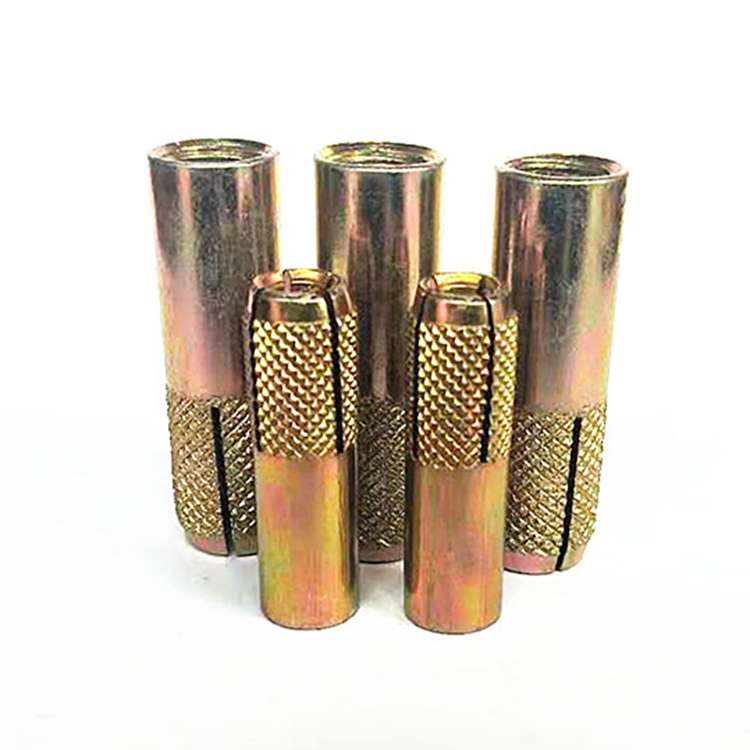
Performance analysis of bolts and nuts involves rigorous force analysis, considering tensile, shear, and torsional loads. The preload – the clamping force exerted by the tightened fastener – is a critical parameter. Insufficient preload can lead to joint loosening and fatigue failure. Excessive preload can result in bolt yielding or stripping of threads. Environmental resistance is paramount, particularly in corrosive environments. Galvanic corrosion, occurring when dissimilar metals are in contact in the presence of an electrolyte, must be considered. Coating selection (zinc, nickel, cadmium, or specialized polymers) directly influences corrosion protection. Fatigue resistance is assessed through cyclic loading tests, evaluating the fastener’s ability to withstand repeated stress cycles without failure. Factors influencing fatigue life include stress concentration at thread roots, surface finish, and residual stresses induced during manufacturing. Compliance requirements stem from various industry standards (discussed in the footer) and application-specific regulations. For example, fasteners used in aerospace applications must meet stringent requirements for material traceability, dimensional accuracy, and performance under extreme temperatures and loads. Finite Element Analysis (FEA) is frequently employed in engineering design to optimize fastener geometry, predict stress distributions, and ensure adequate safety factors. The proof load, the maximum tensile load a fastener can withstand without permanent deformation, is a key engineering parameter. Understanding Poisson's ratio and the modulus of elasticity of the fastener material is essential for accurate stress calculations.
Technical Specifications
| Material Grade | Tensile Strength (MPa) | Yield Strength (MPa) | Hardness (Rockwell C) |
|---|---|---|---|
| AISI 1045 | 620-850 | 310-550 | 30-45 |
| AISI 4140 | 750-950 | 450-650 | 30-45 |
| 304 Stainless Steel | 500-700 | 205-310 | 20-30 |
| 316 Stainless Steel | 600-800 | 240-350 | 20-35 |
| Grade 8.8 (Metric) | 800 | 640 | 33-39 |
| Grade 10.9 (Metric) | 1000 | 900 | 37-43 |
Failure Mode & Maintenance
Common failure modes for bolts and nuts include tensile failure (fracture under tensile load), shear failure (fracture under shear load), stripping of threads, fatigue cracking (failure due to repeated cyclic loading), and corrosion-induced failure. Tensile failure typically occurs due to exceeding the material’s ultimate tensile strength. Shear failure results from exceeding the shear strength of the fastener. Thread stripping can occur due to improper tightening torque, material incompatibility, or damaged threads. Fatigue cracking initiates at stress concentration points, such as thread roots or surface defects, and propagates over time. Corrosion can weaken the fastener material and promote crack initiation. Preventative maintenance includes regular inspection for signs of corrosion, damage, or loosening. Torque wrenches should be used to ensure proper tightening to the manufacturer’s specifications. Lubricants can reduce friction during tightening and prevent galling. For critical applications, non-destructive testing methods, such as ultrasonic testing or magnetic particle inspection, can detect internal flaws. If corrosion is present, fasteners should be replaced. Regularly cleaning and applying protective coatings can extend fastener life. In cases of fatigue failure, the root cause should be investigated to prevent recurrence – this may involve modifying the joint design, reducing the applied load, or selecting a more fatigue-resistant material. Proper storage of fasteners in a dry environment is crucial to prevent corrosion.
Industry FAQ
Q: What is the impact of different plating types (zinc, nickel, cadmium) on corrosion resistance?
A: Zinc plating provides sacrificial corrosion protection, meaning the zinc corrodes preferentially, protecting the steel substrate. Nickel plating offers good corrosion resistance and a durable finish. Cadmium plating, while providing excellent corrosion protection, is increasingly restricted due to environmental concerns. The choice depends on the application environment and regulatory constraints. Salt spray testing (ASTM B117) is used to quantify corrosion resistance.
Q: How does fastener preload affect joint reliability and fatigue life?
A: Proper preload is critical. Insufficient preload can lead to joint loosening and fretting wear, reducing fatigue life. Excessive preload can cause fastener yielding or thread stripping. The optimal preload is typically 75-80% of the fastener’s proof load. Controlled tightening methods, such as torque-angle tightening, ensure consistent preload.
Q: What are the key differences between metric and imperial (inch) fasteners, and are they interchangeable?
A: Metric fasteners use the International System of Units (SI), while imperial fasteners use inch-based units. Thread pitch, diameter, and mechanical properties differ significantly. They are not interchangeable. Attempting to mix them can result in joint failure and safety hazards. Dimensional accuracy is crucial.
Q: What is the significance of material traceability in fastener applications, particularly in aerospace?
A: Material traceability ensures that the origin and processing history of the fastener are known. This is critical for verifying material composition, heat treatment, and quality control. In aerospace, where failure can have catastrophic consequences, traceability is mandated by regulatory authorities (e.g., FAA, EASA).
Q: How does temperature affect the performance of fasteners?
A: Temperature can affect the mechanical properties of fasteners. High temperatures can reduce yield strength and tensile strength. Low temperatures can increase brittleness. Thermal expansion and contraction can also introduce stresses in the joint. Fastener selection must consider the operating temperature range.
Conclusion
Assorted bolts and nuts, while seemingly simple components, are subject to complex material science, manufacturing processes, and engineering considerations. Their proper selection and application are paramount for ensuring the reliability, safety, and longevity of assembled structures and machinery. Understanding the interplay between material properties, preload, environmental resistance, and potential failure modes is essential for engineers and procurement professionals.
Future advancements in fastener technology will likely focus on developing lighter-weight, higher-strength materials, implementing smart fasteners with integrated sensors for monitoring preload and detecting corrosion, and utilizing advanced manufacturing techniques like additive manufacturing to create customized fastener solutions. Continued adherence to rigorous quality control standards and industry regulations remains crucial for mitigating risk and ensuring the integrity of fastened joints.