
Introduction
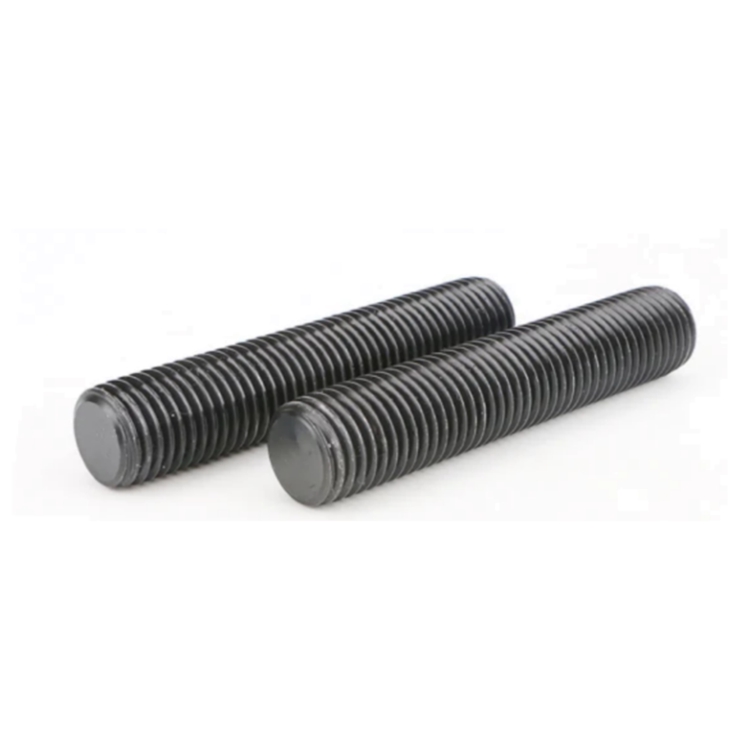
Black coating hexagon socket bolts are internally driven fasteners widely utilized across a spectrum of industrial applications, including automotive, aerospace, machinery, and construction. These bolts feature a hexagonal recess designed to accommodate a hex key (Allen wrench), providing high torque transfer capability and precise control during installation and removal. The black coating, typically a zinc or dichromate conversion coating, serves primarily as a corrosion preventative measure, enhancing the bolt’s resistance to environmental degradation and extending its service life. The technical position of these bolts within the supply chain involves material sourcing (steel, alloys), coating application, precision machining, and rigorous quality control procedures. Core performance metrics include tensile strength, yield strength, shear strength, hardness, and corrosion resistance, all dictated by material composition, heat treatment, and coating quality. A critical pain point in industry is maintaining consistent coating thickness and adhesion to prevent premature failure in corrosive environments.
Material Science & Manufacturing
The primary material for black coating hexagon socket bolts is carbon steel, typically AISI 1045, 1095, or alloy steels such as 4140. These steels offer a balance of strength, ductility, and machinability. The material’s chemical composition dictates its inherent mechanical properties. Carbon content significantly impacts hardness and tensile strength; higher carbon content results in increased hardness but reduced ductility. Manufacturing begins with cold forming or machining of the bolt head and shank. Cold forming enhances the grain structure, increasing strength. Thread rolling is employed to create the hexagonal socket and the external threads, avoiding material removal and strengthening the threads through work hardening. The black coating process usually involves a chemical conversion coating, most commonly black zinc dichromate or black oxide. This process creates a protective layer by reacting the steel surface with a chemical solution. Key parameters controlling the coating quality are solution concentration, immersion time, temperature, and post-treatment rinsing and sealing. Precise control of these parameters is crucial for achieving uniform coating thickness and optimal corrosion resistance. Failure to maintain proper control leads to localized corrosion and premature bolt failure. The coating thickness is typically measured in micrometers, with a target range of 5-25µm depending on the specific application and performance requirements. Hydrogen embrittlement is a concern during the coating process; post-treatment baking is often used to drive off absorbed hydrogen, preventing cracking.
Performance & Engineering
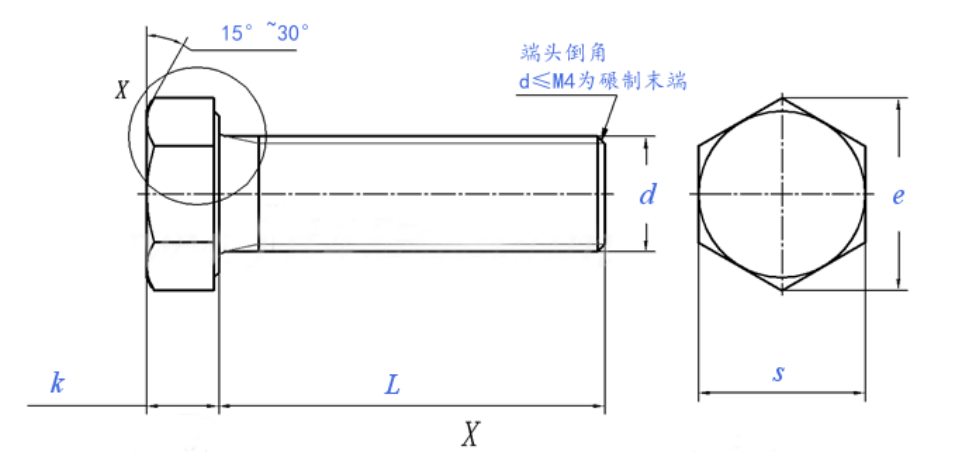
Performance of black coating hexagon socket bolts is governed by factors including applied load, temperature, and environmental conditions. Force analysis involves considering tensile stress, shear stress, and bending stress, all of which must remain within the material’s yield strength to prevent permanent deformation. Bolt preload is a critical engineering parameter; proper preload ensures clamping force, prevents loosening due to vibration, and distributes the load evenly. Environmental resistance is paramount, particularly in corrosive environments. The black coating provides a barrier against corrosion, but its effectiveness diminishes over time with exposure to chlorides, sulfates, and other corrosive agents. Finite element analysis (FEA) is often employed to model stress distribution and predict bolt failure under various loading scenarios. Compliance requirements, such as those stipulated by automotive standards (e.g., IATF 16949) or aerospace standards (e.g., AS9100), mandate rigorous testing and documentation of bolt performance. Torque-tension relationships are crucial; knowing the required torque to achieve the desired preload is essential for proper assembly. Creep resistance, the ability of the bolt to maintain preload under sustained load, is also a critical performance parameter, particularly in high-temperature applications. Fatigue life is a significant concern in applications involving cyclic loading; bolt material, surface finish, and preload all influence fatigue performance.
Technical Specifications
| Parameter | Metric | Imperial | Tolerance |
|---|---|---|---|
| Tensile Strength | 800 MPa | 116,000 psi | ±30 MPa |
| Yield Strength | 600 MPa | 87,000 psi | ±20 MPa |
| Hardness (Rockwell C) | 30-35 | 30-35 | ±2 HRC |
| Coating Thickness | 10-20 µm | 0.4-0.8 mils | ±2 µm |
| Salt Spray Resistance (ASTM B117) | 48 hours | 48 hours | Minimum |
| Thread Tolerance | 6g | 2B | ISO 965-1 |
Failure Mode & Maintenance
Common failure modes for black coating hexagon socket bolts include stripping of the hexagonal socket, thread galling, fatigue cracking, corrosion-induced failure, and hydrogen embrittlement. Stripping occurs when excessive torque is applied, exceeding the shear strength of the socket material. Thread galling results from friction and adhesion between mating threads, often exacerbated by insufficient lubrication or improper installation. Fatigue cracking initiates from stress concentrations, such as at thread roots or socket corners, and propagates under cyclic loading. Corrosion attacks the steel substrate, weakening the bolt and leading to eventual fracture. Hydrogen embrittlement, as previously mentioned, causes cracking due to absorbed hydrogen. Maintenance primarily focuses on preventative measures. Regular inspection for signs of corrosion, such as rust or discoloration, is essential. Proper lubrication during installation and periodic re-tightening to maintain preload can prevent loosening and reduce stress. For bolts exposed to harsh environments, periodic cleaning and recoating may be necessary. If stripping or galling occurs, the bolt must be replaced. In the event of fatigue cracking, the entire assembly should be evaluated to identify the root cause and prevent recurrence. A thorough failure analysis, including metallographic examination and fracture surface analysis, can provide valuable insights into the failure mechanism.
Industry FAQ
Q: What is the primary benefit of a black coating over other coating options like zinc plating?
A: While zinc plating generally provides superior corrosion resistance, black coating (typically zinc dichromate or oxide) offers a different set of advantages. Black coatings are often preferred for aesthetic reasons and provide a less reflective surface, important in certain applications. They also provide good corrosion protection, though typically less than zinc, at a lower cost. The selection depends heavily on the specific application requirements and aesthetic considerations.
Q: How does the grade of steel affect the performance of these bolts in high-stress applications?
A: The grade of steel directly impacts the bolt’s tensile strength, yield strength, and ductility. Higher grade steels (e.g., Alloy 4140) offer superior strength and are better suited for high-stress applications. Lower grade steels (e.g., AISI 1045) are suitable for less demanding applications. Selecting the appropriate steel grade is crucial to ensure the bolt can withstand the anticipated loads without failure.
Q: What are the key considerations when specifying the torque for tightening these bolts?
A: Torque specifications must consider the bolt diameter, thread pitch, lubrication, and desired preload. Over-torquing can lead to stripping of the socket or thread damage, while under-torquing can result in loosening due to vibration. Using a calibrated torque wrench and adhering to manufacturer recommendations is critical. The torque-tension relationship must be understood for accurate preload control.
Q: What steps can be taken to mitigate the risk of hydrogen embrittlement?
A: Hydrogen embrittlement can be mitigated through several steps. Post-coating baking to drive off absorbed hydrogen is a common practice. Using a low-hydrogen coating process and avoiding prolonged exposure to corrosive environments can also help. Selecting a steel alloy less susceptible to hydrogen embrittlement is another preventative measure.
Q: How do you ensure consistent quality control for these bolts, particularly regarding the black coating?
A: Consistent quality control involves rigorous inspection at various stages of production. This includes material verification, dimensional checks, hardness testing, and coating thickness measurements. Salt spray testing (ASTM B117) is used to assess corrosion resistance. Statistical process control (SPC) is employed to monitor coating parameters and identify deviations from specifications. Periodic destructive testing, such as tensile testing, is also conducted to verify mechanical properties.
Conclusion
Black coating hexagon socket bolts represent a ubiquitous fastening solution in diverse industrial sectors, their performance critically dependent on a complex interplay of material science, manufacturing precision, and engineering considerations. The coating provides essential corrosion protection, but its effectiveness is contingent upon proper application and maintenance. Understanding the potential failure modes – stripping, galling, fatigue, and corrosion – is paramount for ensuring long-term reliability and preventing catastrophic failures.
Ultimately, selecting the correct bolt grade, specifying appropriate torque values, and implementing robust quality control procedures are essential for maximizing the lifespan and performance of these critical components. Future advancements may focus on developing more environmentally friendly coating processes and enhancing corrosion resistance through novel materials and surface treatments. Continued investment in research and development will drive innovation in this vital area of industrial fastening technology.
