
Introduction
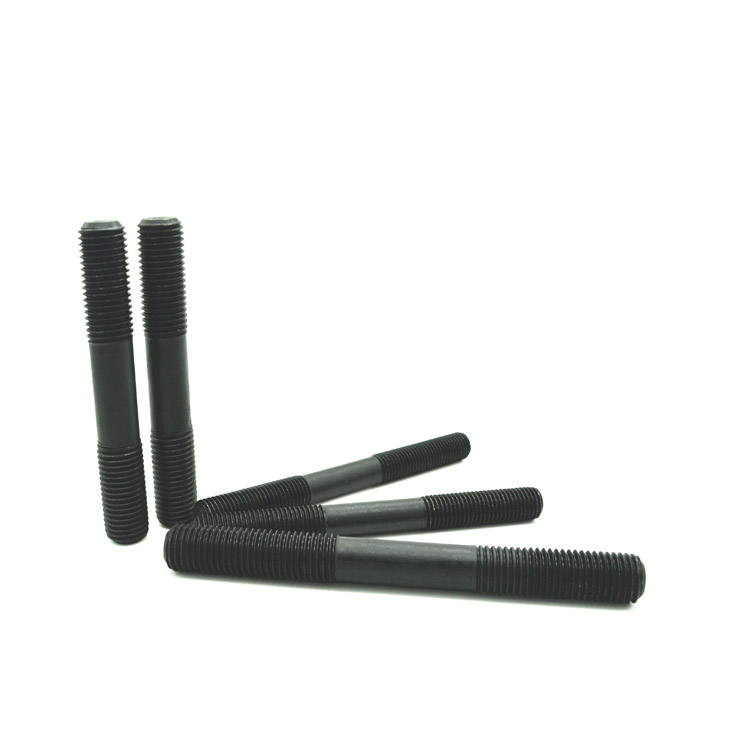
Stainless steel nuts and bolts are threaded fasteners fabricated from various grades of stainless steel alloys. Their primary function is to create a secure mechanical connection between components, resisting loosening due to vibration and providing clamping force. Within the industrial supply chain, these fasteners represent a critical C-class component, influencing overall system integrity despite their relatively low individual cost. Key performance characteristics include corrosion resistance, tensile strength, yield strength, and resistance to galling. The selection of appropriate stainless steel grade is paramount, dictated by environmental factors, applied load, temperature, and required service life. A core industry pain point centers on the appropriate grade selection, balancing cost with necessary performance, and mitigating the risk of stress corrosion cracking or pitting corrosion in harsh environments. Improper specification leads to premature failure, costly downtime, and potential safety hazards.
Material Science & Manufacturing
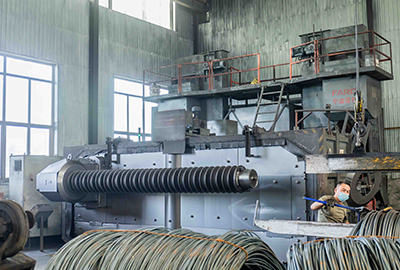
The foundation of stainless steel nut and bolt performance lies in its material composition. Austenitic stainless steels (304, 316) are the most common, characterized by high chromium (18-24%) and nickel (8-10%) content, providing excellent corrosion resistance. Ferritic stainless steels (430) offer lower cost but reduced corrosion resistance, suitable for less demanding applications. Martensitic stainless steels (410, 420) can be heat-treated to achieve high strength and hardness, useful in high-stress applications, but sacrificing some corrosion resistance. Raw material sourcing and alloy verification are crucial, with material certifications required to demonstrate compliance with specifications. Manufacturing typically involves cold heading for smaller sizes and hot forging for larger diameters. Threading is performed via rolling, which work-hardens the material and improves fatigue strength compared to cut threads. Passivation, a chemical treatment using nitric acid, forms a protective chromium-rich oxide layer on the surface, enhancing corrosion resistance. Key parameter control during manufacturing includes maintaining consistent alloy composition, controlling heading/forging temperatures, and ensuring proper thread geometry and surface finish. Post-processing operations may include surface coatings (e.g., PTFE, zinc-nickel) for enhanced lubricity or corrosion protection.
Performance & Engineering
The performance of stainless steel nuts and bolts is governed by a complex interplay of mechanical and environmental factors. Force analysis, considering tensile load, shear load, and bending moment, dictates the required fastener size and grade. Tensile strength, yield strength, and elongation are critical mechanical properties. Environmental resistance is paramount; exposure to chlorides, acids, and high temperatures can induce corrosion. Galvanic corrosion, occurring when dissimilar metals are in contact in the presence of an electrolyte, is a significant concern and necessitates careful material selection. Compliance requirements, dictated by industry standards (see footer), specify testing procedures and acceptance criteria for mechanical properties, corrosion resistance, and dimensional tolerances. Functional implementation demands consideration of bolt preload, which affects clamping force and fatigue life. Proper tightening torque, determined using torque-tension relationships, is crucial to prevent loosening or bolt failure. Finite Element Analysis (FEA) is often employed to optimize fastener design and predict performance under complex loading conditions. Another key area of engineering focus is thread form and pitch; optimized designs minimize stress concentration and maximize load-carrying capacity.
Technical Specifications
| Grade | Tensile Strength (MPa) | Yield Strength (MPa) | Hardness (Rockwell C) | Typical Applications |
|---|---|---|---|---|
| 304/304L | 485-620 | 205-275 | 85-102 | General purpose, food processing, chemical handling. |
| 316/316L | 585-700 | 250-345 | 88-104 | Marine environments, pharmaceutical, high corrosion resistance. |
| 410 | 510-760 | 275-415 | 85-95 (Hardened) | High strength, moderate corrosion resistance, heat treatable. |
| 430 | 480-550 | 205-275 | 80-88 | Indoor applications, decorative fasteners, cost-sensitive projects. |
| A2-70 (304 Equivalent) | 700 | 430 | 90-98 | Similar to 304, frequently used in Europe. |
| A4-80 (316 Equivalent) | 800 | 500 | 92-100 | Similar to 316, frequently used in Europe. |
Failure Mode & Maintenance
Stainless steel nuts and bolts, while corrosion resistant, are not immune to failure. Common failure modes include fatigue cracking, induced by cyclical loading; pitting corrosion, localized corrosion in chloride-rich environments; stress corrosion cracking, a synergistic effect of tensile stress and corrosive environment; galling, adhesive wear between mating surfaces; and thread stripping, caused by excessive load or improper tightening. Failure analysis often reveals root causes related to improper material selection, inadequate lubrication, insufficient preload, or exposure to aggressive chemicals. Maintenance strategies include periodic visual inspection for signs of corrosion or damage, torque checks to ensure proper preload, and lubrication of threads to prevent galling. Regular cleaning to remove corrosive contaminants is also crucial. In particularly harsh environments, protective coatings or the use of dissimilar metal combinations (avoiding galvanic corrosion) can extend fastener life. For critical applications, non-destructive testing (NDT) methods, such as ultrasonic inspection or dye penetrant testing, can detect subsurface cracks or defects before they lead to catastrophic failure. Proper storage of fasteners in a dry environment is also essential to prevent corrosion during storage.
Industry FAQ
Q: What is the difference between 304 and 316 stainless steel, and when should I use 316?
A: 316 stainless steel contains molybdenum, which significantly enhances its corrosion resistance, particularly against chlorides and other halides. While 304 is suitable for general-purpose applications, 316 should be used in marine environments, chemical processing plants, and applications involving exposure to salt spray or de-icing salts. The added molybdenum also improves 316’s resistance to pitting and crevice corrosion.
Q: How does passivation affect the corrosion resistance of stainless steel fasteners?
A: Passivation is a chemical treatment that removes free iron from the surface of the stainless steel, promoting the formation of a stable, chromium-rich oxide layer. This passive layer acts as a barrier, protecting the underlying metal from corrosion. While stainless steel naturally forms a passive layer, passivation enhances and accelerates this process, improving long-term corrosion resistance.
Q: What torque should I apply to stainless steel bolts to prevent loosening or stripping threads?
A: Torque values depend on the bolt size, grade, and lubrication. Consult torque-tension charts specific to the fastener and application. Using a calibrated torque wrench is essential. Overtightening can strip threads, while undertightening can lead to loosening. Consider using a torque multiplier for large fasteners or applications requiring precise preload.
Q: Can I mix stainless steel nuts and bolts with other metal fasteners in the same assembly?
A: Mixing dissimilar metals can lead to galvanic corrosion. If unavoidable, select metals close to each other in the galvanic series and use a non-conductive barrier (e.g., a plastic washer) to isolate the metals. Careful consideration of the electrolyte present in the environment is crucial.
Q: What are the risks associated with using stainless steel fasteners in high-temperature applications?
A: At elevated temperatures, some stainless steel grades can experience a reduction in strength and creep resistance. Additionally, sensitization can occur, where chromium carbides precipitate at grain boundaries, reducing corrosion resistance. The appropriate grade selection for high-temperature applications is critical, and specialized alloys designed for high-temperature service may be required.
Conclusion
Stainless steel nuts and bolts are essential fasteners offering a balance of strength and corrosion resistance. Selecting the correct alloy grade, understanding manufacturing processes, and applying proper engineering principles are crucial for ensuring long-term performance and reliability. Failure to consider these factors can result in premature failure, costly downtime, and potential safety concerns.
Further research into emerging stainless steel alloys with enhanced properties, coupled with advancements in non-destructive testing methods, will continue to improve the durability and lifespan of these critical components. Implementing rigorous quality control procedures throughout the supply chain, from raw material sourcing to final inspection, is paramount for maintaining consistent product quality and preventing failures.
