
Introduction
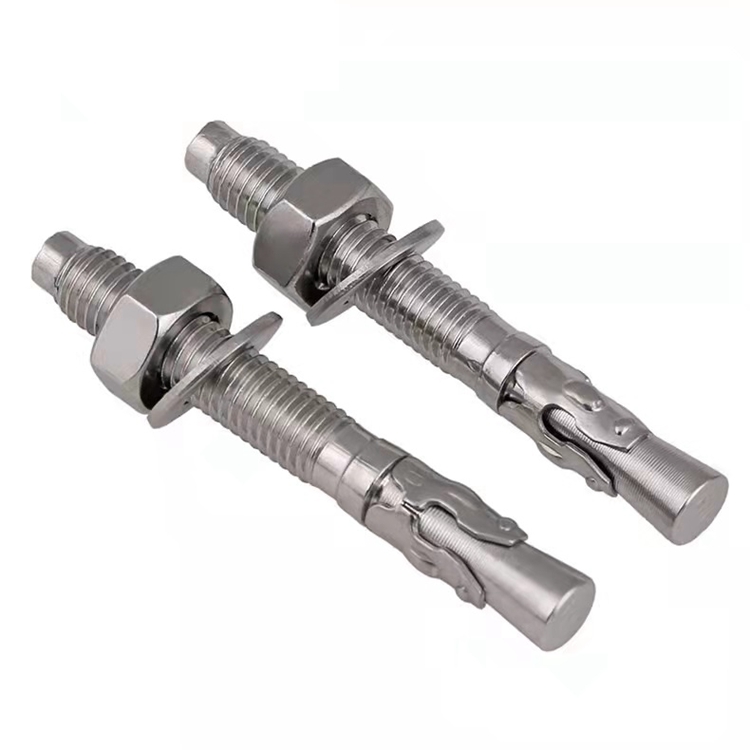
Sway bar bolts, also known as stabilizer bar links or anti-roll bar bolts, are critical components within a vehicle’s suspension system. Their primary function is to connect the sway bar (stabilizer bar) to the suspension, resisting body roll during cornering and contributing to vehicle stability. These fasteners are typically subjected to significant shear and tensile stresses, demanding high strength and fatigue resistance. Positioned within the automotive supply chain, they are generally considered a Tier 2 or Tier 3 component, sourced from specialized fastener manufacturers and integrated by OEMs or aftermarket automotive parts suppliers. Core performance characteristics include yield strength, tensile strength, fatigue life, corrosion resistance, and dimensional accuracy. The industry faces continuous pressure to reduce weight, improve durability, and lower manufacturing costs, driving innovation in material selection and fastener design.
Material Science & Manufacturing
Sway bar bolts are predominantly manufactured from medium carbon steel alloys, specifically AISI/SAE 1045, 4140, or equivalent. These materials offer a balance of strength, ductility, and hardenability. The manufacturing process typically begins with cold forging of the bolt head and shank, followed by thread rolling. Cold forging enhances the material's grain structure, increasing its strength and fatigue life compared to machining. Heat treatment, including hardening and tempering, is crucial for achieving the desired mechanical properties. Case hardening, such as carburizing or nitriding, is often employed to create a hard, wear-resistant surface layer while maintaining a tough core. Critical parameters during heat treatment include austenitizing temperature, quenching medium (oil or water), and tempering temperature. The quality of the surface finish is vital for preventing stress concentrations and corrosion. Bolts intended for highly corrosive environments may receive coatings such as zinc plating, phosphate coating, or powder coating. Furthermore, specialized coatings like Geomet are utilized for enhanced corrosion protection, offering superior performance compared to standard zinc plating. Dimensional control is paramount, requiring stringent quality checks at each manufacturing stage, utilizing coordinate measuring machines (CMMs) to verify thread form, diameter, and length. Fastener manufacturers must adhere to strict process control to guarantee consistent mechanical properties and dimensional tolerances.
Performance & Engineering
The performance of sway bar bolts is heavily influenced by the applied load conditions. These components primarily experience shear stress as the sway bar twists during cornering. Tensile stress arises from preload induced during installation and from dynamic loads encountered on uneven road surfaces. Finite Element Analysis (FEA) is extensively used to optimize bolt geometry, identify stress concentration points, and predict fatigue life. The bolt's preload is critical; insufficient preload can lead to joint loosening and increased noise, while excessive preload can result in bolt yielding or failure. Engineering considerations include specifying appropriate thread engagement length, ensuring adequate shear area, and selecting compatible materials to prevent galvanic corrosion between the bolt and the mating components (sway bar and suspension arm). Environmental resistance is a crucial design factor. Exposure to road salt, water, and other contaminants can lead to corrosion, reducing the bolt's strength and service life. Compliance requirements, such as those stipulated by automotive OEMs and regulatory bodies, mandate rigorous testing protocols. These tests include tensile testing, shear testing, fatigue testing, and corrosion resistance testing (salt spray testing). The design must also account for vibrational fatigue, as the suspension system is constantly subjected to dynamic vibrations. Material selection, surface finish, and the application of appropriate coatings are essential for mitigating vibrational fatigue.
Technical Specifications
| Material Grade | Tensile Strength (MPa) | Yield Strength (MPa) | Diameter (mm) |
|---|---|---|---|
| AISI 1045 | 620 - 860 | 310 - 550 | 8, 10, 12 |
| 4140 | 750 - 950 | 500 - 700 | 10, 12, 14 |
| SAE Grade 8 | 830 - 1000 | 690 - 860 | 12, 16, 20 |
| Zinc Plated 1045 | 620 - 860 | 310 - 550 | 8, 10, 12 |
| Nitrided 4140 | 850 - 1050 | 600 - 800 | 10, 12, 14 |
| Geomet Coated 1045 | 620 - 860 | 310 - 550 | 8, 10, 12 |
Failure Mode & Maintenance
Common failure modes for sway bar bolts include fatigue cracking, thread stripping, corrosion-induced failure, and yielding due to excessive preload. Fatigue cracking typically initiates at stress concentration points, such as the root of the threads or at the bolt head/shank interface. Corrosion, especially in regions exposed to road salt, weakens the bolt material and accelerates fatigue cracking. Thread stripping can occur during installation if the mating threads are damaged or if excessive torque is applied. Yielding occurs when the applied stress exceeds the material’s yield strength, permanently deforming the bolt. Failure analysis often involves metallographic examination to identify the crack initiation site and the failure mechanism. Maintenance typically involves periodic inspection of the bolts for signs of corrosion, cracking, or loosening. Torque checks should be performed to ensure proper preload. If corrosion is present, the bolts should be replaced. Preventive maintenance measures include applying anti-seize lubricant to the threads during installation and regularly cleaning the suspension components to remove dirt and contaminants. In cases of severe corrosion or damage, replacement with high-quality, corrosion-resistant bolts is essential. Avoid using excessive torque during installation, as this can lead to bolt yielding or thread stripping. Regular visual inspections combined with torque checks are critical for ensuring the long-term reliability of sway bar bolts.
Industry FAQ
Q: What is the significance of material selection beyond basic strength requirements?
A: Beyond yield and tensile strength, material composition dictates fatigue resistance, corrosion susceptibility, and hardenability. Alloying elements like chromium and manganese enhance hardenability, while coatings provide corrosion protection. A higher fatigue strength material extends service life, particularly in dynamic applications like suspension systems.
Q: How does heat treatment impact the performance of sway bar bolts?
A: Heat treatment fundamentally alters the material’s microstructure, influencing its hardness, strength, and ductility. Proper hardening and tempering processes are crucial for achieving the desired balance of properties. Improper heat treatment can lead to brittle fractures or premature fatigue failure.
Q: What are the key considerations when selecting a corrosion-resistant coating?
A: Coating selection depends on the severity of the operating environment. Zinc plating provides basic corrosion protection, while phosphate coatings offer improved paint adhesion. Geomet and other advanced coatings provide superior corrosion resistance, especially in high-salt environments. The coating must be compatible with the bolt material and the mating components.
Q: How does preload affect the fatigue life of the bolt?
A: Correct preload is critical for fatigue life. Insufficient preload allows for joint movement, increasing fatigue stress. Excessive preload can lead to bolt yielding or plastic deformation, also reducing fatigue life. Proper torque control is essential for achieving the optimal preload.
Q: What is the role of Finite Element Analysis (FEA) in the design of sway bar bolts?
A: FEA allows engineers to simulate the stress distribution within the bolt under various loading conditions. This helps identify stress concentration points, optimize bolt geometry, and predict fatigue life. FEA can also be used to evaluate the performance of different materials and coatings.
Conclusion
Sway bar bolts are essential components in vehicle suspension systems, demanding a high degree of precision in material selection, manufacturing, and engineering design. Their performance is intimately linked to their ability to withstand significant shear and tensile stresses while resisting fatigue and corrosion. Proper heat treatment, surface coatings, and torque control are critical for maximizing their service life and ensuring vehicle safety.
The continued focus on vehicle lightweighting and enhanced durability will drive further innovation in sway bar bolt technology, potentially leading to the adoption of advanced materials like high-strength alloy steels and innovative coating technologies. Adherence to international standards and rigorous quality control procedures will remain paramount in ensuring the reliability and performance of these critical fasteners.