
Introduction
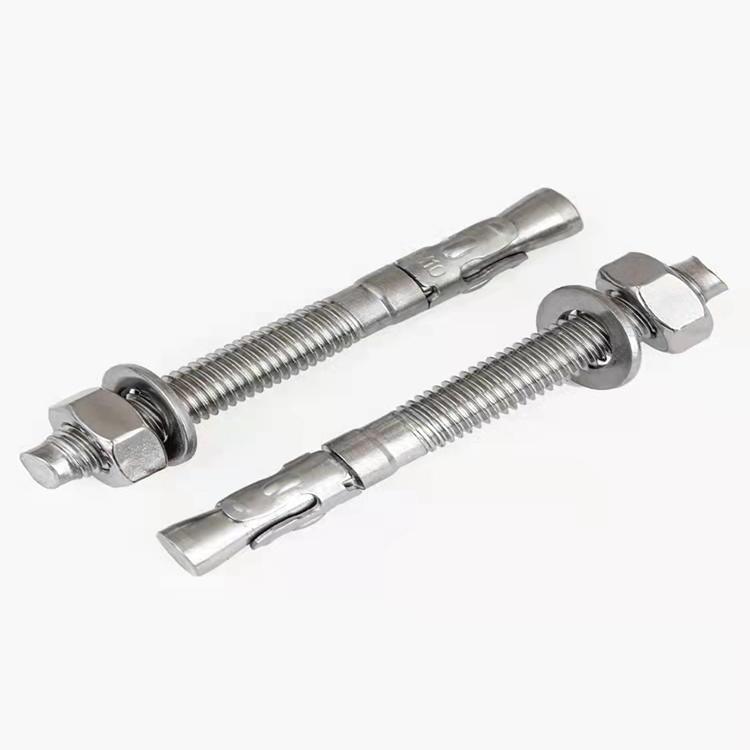
Strut bolts are high-strength fasteners critical in structural engineering and industrial applications, primarily utilized to connect structural steel elements, specifically angle and channel sections known as struts, to a supporting structure. They are fundamentally shear connectors, transferring load between components and maintaining structural integrity. Positioned within the building materials supply chain, they represent a specialized segment of the fastener industry, demanding stringent quality control and adherence to rigorous engineering standards. Their core performance characteristics – tensile strength, shear strength, preload capability, and corrosion resistance – directly influence the overall safety and longevity of the assembled structure. Common applications include building construction (framing, bracing), bridge construction, industrial facilities, and transportation infrastructure. This guide details the materials, manufacturing, performance, failure modes, and maintenance protocols vital for the effective utilization of strut bolts.
Material Science & Manufacturing
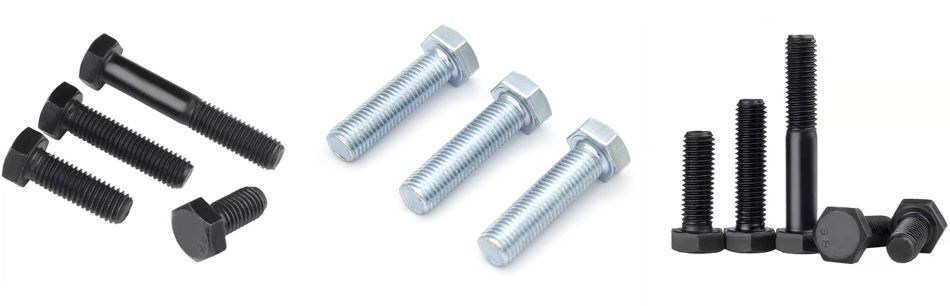
Strut bolts are predominantly manufactured from medium carbon alloy steels, typically adhering to specifications like ASTM A307 Grade A or A325, and high-strength alloy steels conforming to ASTM A490. The choice of material is dictated by the anticipated load-bearing requirements and environmental conditions. A307 Grade A bolts offer moderate strength suitable for general structural applications. A325 bolts, through quenching and tempering processes, exhibit significantly higher tensile and yield strengths. A490 bolts, utilizing even more robust heat treatment, are reserved for critical applications demanding exceptional strength. Manufacturing begins with hot-rolled or cold-drawn steel wire, which undergoes heading (forming the bolt head) and threading operations. Critical parameters during manufacturing include die quality (for thread accuracy and surface finish), heat treatment temperature and duration (to achieve desired mechanical properties), and coating application (for corrosion protection). Galvanization, zinc plating, and specialized coatings like PTFE are common to prevent corrosion. Hydrogen embrittlement is a significant concern during galvanization, requiring post-treatment processes like baking to mitigate the risk of delayed cracking. The thread pitch and form are precisely controlled to ensure compatibility with mating nuts and to maximize clamping force. Quality control measures include dimensional inspection, hardness testing (Rockwell or Brinell), tensile testing, and chemical composition analysis to verify conformance to specifications. The steel’s microstructure, particularly the grain size and presence of inclusions, directly affects its mechanical properties. Fine-grained structures generally exhibit higher strength and toughness.
Performance & Engineering
The performance of strut bolts is fundamentally governed by their ability to resist tensile and shear forces, and to maintain a stable preload under dynamic loading conditions. Force analysis involves calculating the tensile stress on the bolt shank and the shear stress at the thread root. These stresses must remain below the material's yield strength and ultimate tensile strength, respectively, with appropriate safety factors applied according to relevant building codes (e.g., AISC in the US, Eurocode 3 in Europe). Environmental resistance is crucial; exposure to corrosive environments (marine atmospheres, industrial pollutants) can significantly degrade bolt performance. Corrosion can lead to pitting, hydrogen embrittlement, and a reduction in cross-sectional area, ultimately compromising the bolt’s load-carrying capacity. Compliance requirements often dictate the use of specific coating systems and material grades based on the anticipated service environment. Preload, the initial tension applied to the bolt during tightening, is critical for preventing joint slippage and fatigue failure. Proper tightening procedures, utilizing calibrated torque wrenches or turn-of-nut methods, are essential to achieve the desired preload. Fatigue failure, arising from repeated cyclical loading, is a major concern in structures subjected to vibrations or dynamic forces. Bolt fatigue life is influenced by factors such as preload level, stress range, and surface finish. Finite element analysis (FEA) is often employed to simulate stress distributions within the bolted joint and to optimize the design for maximum fatigue resistance. The design must also account for thermal expansion and contraction of the connected materials, minimizing stresses induced by temperature fluctuations.
Technical Specifications
| Material Grade | Tensile Strength (MPa) | Yield Strength (MPa) | Shear Strength (MPa) |
|---|---|---|---|
| ASTM A307 Grade A | 400-550 | 250-310 | 200-275 |
| ASTM A325 | 690-827 | 517-620 | 413-517 |
| ASTM A490 | 1000-1170 | 896-1034 | 620-758 |
| Coating Type | Galvanization (Zinc) | Zinc Plating | PTFE Coating |
| Coating Thickness (µm) | 50-85 | 5-25 | 25-75 |
| Thread Pitch (mm) | Varies based on diameter | Varies based on diameter | Varies based on diameter |
Failure Mode & Maintenance
Strut bolts are susceptible to several failure modes, including tensile failure (bolt fracture due to excessive tensile load), shear failure (bolt fracture due to excessive shear load), fatigue failure (crack initiation and propagation due to cyclical loading), corrosion-induced failure (reduction in bolt strength due to corrosion), and loosening (loss of preload due to vibration or settlement). Tensile and shear failures are typically brittle, resulting in sudden and catastrophic collapse. Fatigue failures are often preceded by slow crack growth, making them more difficult to detect. Corrosion can manifest as pitting corrosion, uniform corrosion, or stress corrosion cracking. Failure analysis involves examining the fracture surface to identify the failure mechanism and determining the root cause. Maintenance procedures include periodic visual inspection for signs of corrosion or loosening, torque checking to verify preload, and re-tightening or replacement of damaged bolts. Preventative maintenance measures include applying protective coatings to prevent corrosion and using locking devices (e.g., lock washers, nylon inserts) to prevent loosening. In marine environments or corrosive industrial settings, regular cleaning and application of corrosion inhibitors are essential. When replacing failed bolts, it is critical to use bolts of the same material grade and specifications as the original fasteners. Non-destructive testing methods, such as ultrasonic testing, can be used to detect internal cracks or defects without dismantling the joint.
Industry FAQ
Q: What are the primary differences between ASTM A325 and A490 bolts in terms of application suitability?
A: A325 bolts are generally used for general structural applications where high strength isn't absolutely critical. They offer a good balance of strength and ductility. A490 bolts, significantly stronger, are reserved for applications requiring exceptional load-carrying capacity, like heavily loaded connections in bridges or high-rise buildings. They are also selected when minimizing bolt size is a priority, as fewer and smaller A490 bolts can achieve the same strength as a larger number of A325 bolts. However, A490 bolts are more brittle and require more careful tightening procedures.
Q: How does galvanization impact the mechanical properties of strut bolts, and what steps can be taken to mitigate potential issues?
A: Galvanization, while providing excellent corrosion protection, can introduce hydrogen into the steel, leading to hydrogen embrittlement and potentially delayed cracking. This is especially problematic in high-strength steels like A490. To mitigate this, a post-galvanization baking process (heat treatment) is crucial to drive out the hydrogen. Proper control of the galvanizing process, including solution cleaning and passivation, is also essential. Using a mechanical zinc coating instead of hot-dip galvanization can also minimize hydrogen absorption.
Q: What preload values are typically recommended for A325 and A490 bolts, and how are they achieved reliably?
A: Recommended preload values for A325 bolts typically range from 70-80% of their specified minimum tensile strength. For A490 bolts, the range is usually 70-85%. Reliable achievement of preload requires calibrated torque wrenches or, preferably, the turn-of-nut method. The turn-of-nut method, involving tightening the bolt to a snug-tight condition and then rotating the nut a specified number of turns, provides more consistent preload and is less sensitive to variations in friction.
Q: What are the key considerations when selecting a coating for strut bolts used in a marine environment?
A: In marine environments, standard galvanization may not provide sufficient corrosion protection. Duplex coatings (e.g., galvanization followed by a paint coating) or specialized coatings like hot-dip galvanizing with a zinc-nickel alloy offer superior resistance to saltwater corrosion. Consideration should also be given to the potential for galvanic corrosion when using different metals in the joint, and appropriate isolation measures should be implemented. Regular inspection and maintenance are paramount.
Q: How do you identify and assess potential fatigue failure in strut bolt connections during routine inspections?
A: Early signs of fatigue failure can be subtle. Look for small cracks around the bolt head, nut, or at the thread root. Conduct dye penetrant testing to reveal surface cracks not visible to the naked eye. Monitor for any loosening of the bolts, as this can indicate loss of preload and increased stress concentration. Pay close attention to connections subjected to significant vibration or dynamic loading, as these are more prone to fatigue failure. Document all inspection findings and implement a regular inspection schedule.
Conclusion
Strut bolts represent a critical, albeit often overlooked, element in structural integrity and industrial applications. Their performance is intrinsically linked to material selection, precise manufacturing processes, and adherence to stringent engineering standards. Understanding the interplay between tensile strength, shear strength, preload, and environmental resistance is paramount for ensuring long-term reliability and preventing catastrophic failures. Proper installation, regular inspection, and proactive maintenance are equally crucial components of a comprehensive bolt management program.
Future advancements in strut bolt technology will likely focus on developing enhanced corrosion-resistant coatings, implementing smart bolt technologies with integrated sensors for preload monitoring, and utilizing advanced materials with improved fatigue resistance. The integration of digital twins and predictive maintenance algorithms will further optimize bolt lifecycle management and minimize the risk of unexpected failures, ultimately enhancing the safety and sustainability of critical infrastructure.