
Introduction
Square head lag bolts are heavy-duty fasteners characterized by a large square head, a coarse thread, and a pointed or blunt end. Primarily used in timber construction and applications requiring high shear and tensile strength, they offer a robust and reliable fastening solution. Unlike through bolts, lag bolts are driven into pre-drilled holes, utilizing the wood’s natural fibers to create a secure mechanical interlock. Their historical significance stems from a time when efficient nut-tightening tools were less prevalent, making the easily wrenchable square head a practical design choice. Modern applications, while seeing competition from alternative fasteners, continue to leverage lag bolts' inherent strength, particularly in structural wood connections, heavy equipment mounting, and outdoor construction where corrosion resistance is paramount. This guide provides a comprehensive technical overview of square head lag bolts, covering material science, manufacturing, performance characteristics, failure modes, and relevant industry standards.
Material Science & Manufacturing
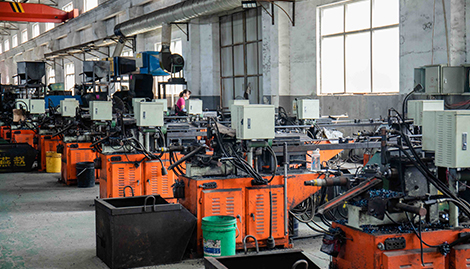
Square head lag bolts are commonly manufactured from medium carbon steel, specifically SAE 1045 or equivalent, offering a balance of strength, ductility, and machinability. Higher strength grades utilize alloy steels like 4140, augmented with chromium and molybdenum for increased tensile strength and hardenability. The manufacturing process begins with hot forging of the head, forming the characteristic square shape, followed by cold heading to create the shank and thread. Thread rolling is then employed to impart the coarse, aggressive thread profile – typically a Unified National Coarse (UNC) thread. The pointed end is formed through machining or forging. Heat treatment, crucial for achieving desired mechanical properties, involves hardening and tempering. Hardening increases the steel's strength, while tempering reduces brittleness. Coating options include zinc plating (for moderate corrosion resistance), hot-dip galvanizing (superior corrosion protection), and specialized coatings like epoxy or PTFE for harsh environments. Material selection directly impacts performance; for instance, a higher carbon content increases hardness but reduces ductility, making the bolt more susceptible to brittle fracture. Dimensional accuracy is critical, controlled through rigorous quality inspection procedures adhering to standards like ISO 9001. Raw material chemical composition is verified via spectroscopic analysis, and thread form is assessed using specialized gauges. The manufacturing process must minimize surface defects, as these act as stress concentrators, initiating fatigue cracking and reducing bolt life.
Performance & Engineering
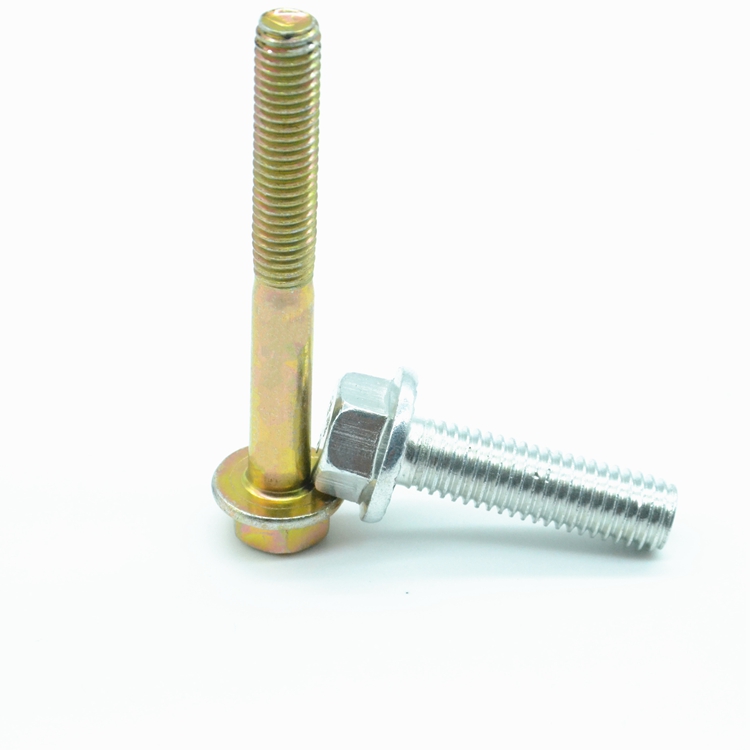
The performance of square head lag bolts is dictated by several key engineering factors. Tensile strength, typically ranging from 70,000 to 110,000 psi (483 to 758 MPa) depending on material grade, determines the bolt’s resistance to axial pulling forces. Shear strength, approximately 55% of tensile strength, governs its ability to withstand forces acting perpendicular to the bolt axis. Thread engagement length is a critical parameter; insufficient engagement compromises holding power, leading to pull-out failure. The embedment depth also influences performance – deeper embedment provides greater resistance to bending moments. Pre-drilling the pilot hole is crucial. An improperly sized hole (too large or too small) can reduce clamping force and promote thread stripping. The bolt’s design allows for significant clamping force, drawing the connected materials tightly together. This clamping force, coupled with the friction between the bolt shank and the wood fibers, resists shear forces. Environmental resistance is paramount, particularly in outdoor applications. Corrosion can significantly degrade bolt strength, leading to premature failure. Galvanized coatings provide sacrificial protection, while stainless steel (304 or 316 grade) offers superior resistance to corrosion. Load duration also matters; sustained loads can lead to creep and eventual failure. Finite Element Analysis (FEA) is frequently used to model stress distribution within the bolt and the connected materials, optimizing bolt size and placement for maximum structural integrity. Compliance with building codes (IBC, Eurocode 5) and relevant industry standards (ANSI/ASME) is essential to ensure structural safety.
Technical Specifications
| Diameter (in) | Diameter (mm) | Length (in) | Length (mm) |
|---|---|---|---|
| 1/4 | 6.35 | 2 | 50.8 |
| 5/16 | 7.94 | 3 | 76.2 |
| 3/8 | 9.53 | 4 | 101.6 |
| 1/2 | 12.7 | 6 | 152.4 |
| 5/8 | 15.88 | 8 | 203.2 |
| 3/4 | 19.05 | 10 | 254 |
Failure Mode & Maintenance
Square head lag bolts are susceptible to several failure modes. Tensile failure occurs when the bolt is subjected to excessive pulling force, exceeding its tensile strength. Shear failure arises from forces acting perpendicular to the bolt axis, causing the bolt to break or the wood around the bolt to split. Pull-out failure occurs when the bolt is extracted from the wood due to insufficient thread engagement or weakened wood fibers. Fatigue cracking, induced by cyclic loading, initiates at stress concentrators (e.g., thread roots, head corners) and propagates over time, leading to catastrophic failure. Corrosion, particularly in untreated steel bolts, weakens the material and accelerates failure. Wood decay around the bolt also compromises holding power. Maintenance primarily involves periodic inspection for corrosion, cracks, and wood decay. Galvanized or stainless steel bolts require less frequent inspection. If corrosion is detected, the bolt should be replaced. Tightening is generally not recommended, as over-tightening can strip threads or damage the wood. If loosening is observed, a new bolt should be installed, ensuring proper hole size and embedment depth. Periodic application of wood preservatives around the bolt can help prevent decay. When replacing bolts, using the same material grade and coating is critical to maintain structural integrity.
Industry FAQ
Q: What is the optimal pilot hole size for a 3/8" square head lag bolt in pine?
A: The optimal pilot hole size for a 3/8" lag bolt in pine is typically 5/16". This allows for sufficient thread engagement without stripping the wood fibers. A hole that is too small can cause the bolt to bind and potentially split the wood, while a hole that is too large will reduce clamping force and holding power.
Q: How does the wood species affect the holding power of a lag bolt?
A: Wood species significantly impacts holding power. Harder, denser woods (e.g., oak, maple) provide greater resistance to pull-out and shear forces than softer woods (e.g., pine, fir). The fiber orientation also plays a role; bolts embedded perpendicular to the grain exhibit higher holding power than those embedded parallel to the grain.
Q: What is the advantage of a square head over a hex head on a lag bolt?
A: Historically, the square head offered the advantage of being easily wrenchable without requiring a specific socket size. While hex heads are now more common due to their ease of automation in modern manufacturing, the square head remains viable, especially in applications where simplicity and readily available tools are priorities. The larger surface area of the square head also allows for a more robust grip with a wrench in certain scenarios.
Q: What coating provides the best corrosion resistance for lag bolts used in marine environments?
A: For marine environments, 316 stainless steel provides the highest level of corrosion resistance. Hot-dip galvanizing offers good protection, but stainless steel is superior, particularly against chloride-induced pitting corrosion. Epoxy coatings can also be used as a supplemental layer over galvanizing to enhance corrosion protection.
Q: Can lag bolts be reused after being removed from a wood structure?
A: Reusing lag bolts is generally not recommended. Each time a bolt is installed and removed, the threads are slightly damaged, reducing their holding power. Additionally, the wood fibers around the bolt hole are compressed and weakened, making it difficult to achieve the same level of clamping force upon reinstallation. It is best practice to replace lag bolts with new ones to ensure structural integrity.
Conclusion
Square head lag bolts remain a vital fastening solution in numerous applications, particularly where high strength and reliable clamping force are required. Understanding the material science underpinning their performance, the intricacies of their manufacturing process, and the potential failure modes is crucial for engineers and procurement professionals. Proper selection, installation, and maintenance are paramount to ensuring longevity and structural integrity. The choice of material, coating, and pilot hole size are all critical factors that directly impact bolt performance.
Looking ahead, advancements in coating technologies and the development of new alloy steels promise to further enhance the durability and corrosion resistance of square head lag bolts. Continued adherence to industry standards and best practices will ensure their continued relevance in both traditional and emerging construction applications. The ongoing need for robust and reliable fastening solutions will undoubtedly secure the role of the square head lag bolt for years to come.