
Introduction
Skid plate bolts are critical fastening components employed in off-road vehicles, agricultural machinery, and heavy-duty equipment to secure skid plates – protective undercarriage armor. These bolts are subjected to harsh environments and substantial mechanical stress, necessitating specific material selection and manufacturing processes to ensure durability and reliable performance. Their technical position within the vehicle/equipment supply chain is as a directly load-bearing safety component, impacting the protection of vital undercarriage systems. Core performance characteristics include tensile strength, shear strength, corrosion resistance, and resistance to loosening under vibration. The increasing demand for more robust and durable skid plates, driven by challenging terrains and extended operational lifecycles, necessitates a detailed understanding of skid plate bolt engineering and material science. A primary industry pain point centers on premature bolt failure due to corrosion, fatigue, or improper torque specifications, leading to costly downtime and potential damage to protected components.
Material Science & Manufacturing
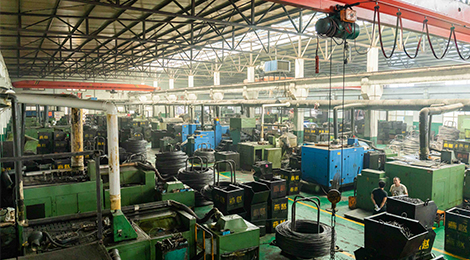
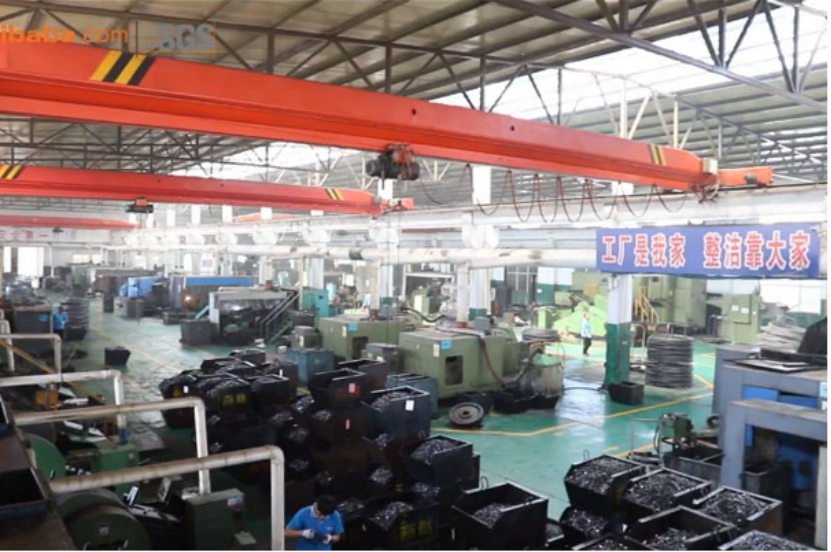
Skid plate bolts are commonly manufactured from medium-carbon alloy steels (e.g., 4140, 8740) or high-strength alloy steels (e.g., 5140, 4340) chosen for their balance of strength, toughness, and hardenability. The raw material undergoes a rigorous heat treatment process, including austenitizing, quenching, and tempering, to achieve the desired mechanical properties. Steel composition directly impacts corrosion resistance; chromium, nickel, and molybdenum additions enhance this property. Fastener grade (e.g., Grade 8, Grade 10) dictates minimum tensile strength and yield strength. Manufacturing typically involves cold heading, followed by thread rolling to create precise and durable threads. Critical parameters include die quality and lubrication during thread rolling, affecting thread form and fatigue resistance. Surface treatments are crucial: zinc plating provides sacrificial corrosion protection, while phosphate coating enhances paint adhesion and provides a base for further protective coatings. Hydrogen embrittlement is a significant concern during zinc plating; post-plating heat treatment is often required to mitigate this risk. Bolt head markings are mandated to identify grade and manufacturer, ensuring traceability and quality control. Ultrasonic testing and magnetic particle inspection are used to detect internal flaws and surface cracks, respectively. The precise control of decarburization during heat treatment is essential to prevent surface defects and maintain core hardness.
Performance & Engineering
The performance of skid plate bolts is heavily influenced by load distribution, fatigue loading, and environmental factors. Force analysis considers tensile stress due to clamping force, shear stress due to vibration and impact, and bending stress due to misalignment. Finite element analysis (FEA) is often used to optimize bolt geometry and predict stress concentrations. Environmental resistance is paramount; exposure to road salt, mud, water, and extreme temperatures can accelerate corrosion. The choice of coating and material plays a significant role in mitigating this. Compliance requirements often dictate specific torque specifications and material certifications. Skid plate bolt design must account for vibrational frequencies experienced during vehicle operation to avoid resonance and fatigue failure. Prevailing torque features, such as nylon inserts or serrated flanges, are frequently incorporated to resist loosening. The bolt preload is a critical parameter; insufficient preload can lead to joint separation and increased stress, while excessive preload can cause bolt stretching or stripping of threads. Consideration must be given to thermal expansion and contraction, particularly in applications with significant temperature variations, to prevent stress build-up. The use of Belleville washers can help maintain consistent preload over time.
Technical Specifications
| Bolt Grade | Tensile Strength (MPa) | Yield Strength (MPa) | Corrosion Resistance (Salt Spray Hours) |
|---|---|---|---|
| Grade 8 | 600-800 | 480-690 | 24-96 (Zinc Plated) |
| Grade 10 | 950-1100 | 750-950 | 48-168 (Zinc Plated) |
| 5140 (Heat Treated) | 1000-1200 | 850-1050 | 300+ (With Durable Coating) |
| 4340 (Heat Treated) | 900-1100 | 700-900 | 200+ (With Durable Coating) |
| 8740 (Heat Treated) | 700-900 | 550-750 | 100-200 (Zinc Nickel Plated) |
| 4140 (Heat Treated) | 650-850 | 500-700 | 72-144 (Zinc Plated) |
Failure Mode & Maintenance
Common failure modes for skid plate bolts include fatigue cracking (due to cyclic loading), thread stripping (from improper torque or corrosion), shear failure (under excessive load), and corrosion-induced failure. Fatigue cracking typically initiates at stress concentrators, such as thread roots or bolt head fillets. Corrosion can lead to pitting, crevice corrosion, and galvanic corrosion, weakening the bolt and promoting fracture. Hydrogen embrittlement, particularly in high-strength bolts, can significantly reduce ductility and increase susceptibility to cracking. Failure analysis often involves fractographic examination to identify the failure origin and mechanism. Maintenance procedures should include regular visual inspection for signs of corrosion, damage, or loosening. Torque should be checked periodically and re-tightened to the manufacturer’s specifications using a calibrated torque wrench. The use of anti-seize lubricant during installation prevents galling and facilitates future removal. Damaged or corroded bolts must be replaced immediately. Applying a protective coating to the bolt threads and under the bolt head can further enhance corrosion resistance. Proper cleaning and lubrication of threads during installation are critical for achieving accurate torque and preventing thread damage.
Industry FAQ
Q: What is the impact of bolt preload on fatigue life?
A: Higher preload generally increases fatigue life up to a certain point. Optimal preload creates compressive residual stresses that delay crack initiation. However, excessive preload can exceed the bolt’s yield strength, leading to plastic deformation and reduced fatigue resistance. Maintaining consistent preload is crucial, which is why prevailing torque features and proper torque control are essential.
Q: How does the choice of coating affect corrosion resistance in a marine environment?
A: Zinc plating offers sacrificial protection, but its effectiveness is limited in highly corrosive marine environments. Zinc nickel plating and powder coating provide superior corrosion resistance. The coating thickness and quality are also critical factors. Regularly inspecting and re-applying coating as needed are essential maintenance practices.
Q: What is the significance of bolt grade in a high-stress application like skid plate mounting?
A: Bolt grade directly correlates to tensile strength and yield strength. Selecting a higher grade bolt ensures the fastener can withstand the anticipated loads without permanent deformation or failure. The specific grade required depends on the load calculations and safety factors determined by engineering analysis.
Q: What are the best practices for preventing thread stripping during installation?
A: Use a calibrated torque wrench and adhere to the manufacturer's specified torque values. Apply anti-seize lubricant to the threads. Ensure the threads are clean and free of debris. Avoid cross-threading during installation. Using a thread repair kit is an option for minor damage, but severely stripped threads necessitate bolt replacement.
Q: What steps should be taken to mitigate the risk of hydrogen embrittlement in high-strength bolts?
A: Post-plating heat treatment (baking) is crucial to drive out hydrogen absorbed during the plating process. Selecting a plating process with low hydrogen absorption rates is also important. Avoiding excessive preload can further reduce the risk of embrittlement. Regular inspection for cracking is recommended.
Conclusion
Skid plate bolts represent a vital component in protecting critical vehicle undercarriage systems. Their performance is a function of careful material selection, precise manufacturing processes, and rigorous adherence to engineering principles. Understanding the potential failure modes – predominantly corrosion, fatigue, and thread stripping – is essential for implementing effective maintenance strategies. Proper torque control, the use of appropriate coatings, and regular inspection are key to maximizing bolt life and preventing costly downtime.
The continued evolution of skid plate designs and the increasing demands of off-road applications will necessitate ongoing advancements in skid plate bolt technology. Future developments may focus on the use of advanced materials, such as titanium alloys or composite materials, to achieve even higher strength-to-weight ratios and improved corrosion resistance. Furthermore, the integration of smart bolt technology – incorporating sensors to monitor preload and detect early signs of failure – could revolutionize skid plate maintenance and enhance overall system reliability.