
Introduction
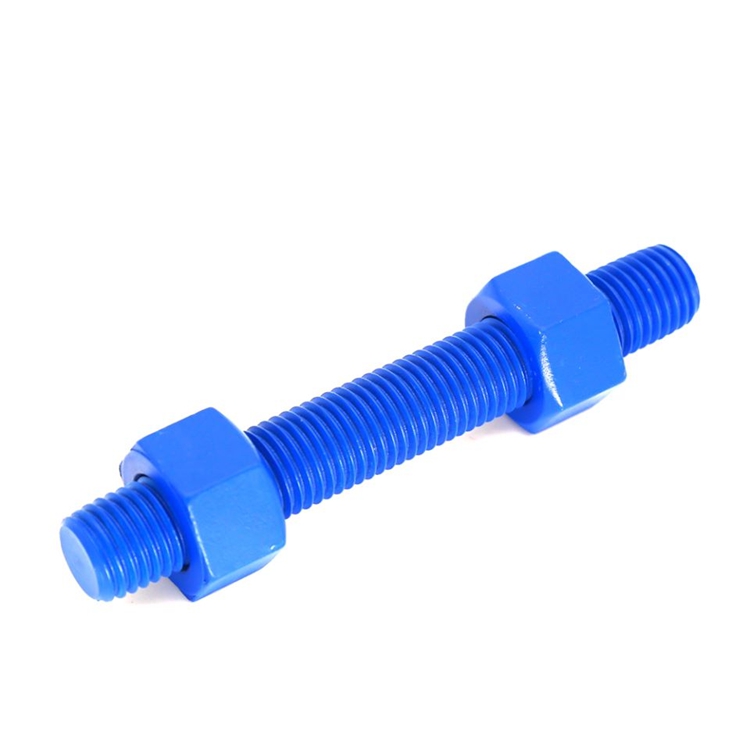
Seat belt bolts are critical safety components within automotive restraint systems, responsible for securely anchoring seat belts to the vehicle chassis. They are classified as high-strength fasteners, subject to stringent performance and reliability requirements dictated by international safety standards. Unlike general-purpose bolts, seat belt bolts must maintain structural integrity under both static and dynamic loading conditions, including sudden deceleration during a collision. Their technical position lies at the intersection of materials science, mechanical engineering, and automotive safety regulations. Core performance characteristics revolve around tensile strength, yield strength, elongation, and fatigue resistance. The failure of a seat belt bolt can have catastrophic consequences, rendering the seat belt ineffective and potentially causing severe injury or fatality. This guide provides an in-depth technical overview of seat belt bolts, encompassing material properties, manufacturing processes, performance parameters, failure modes, and relevant industry standards.
Material Science & Manufacturing
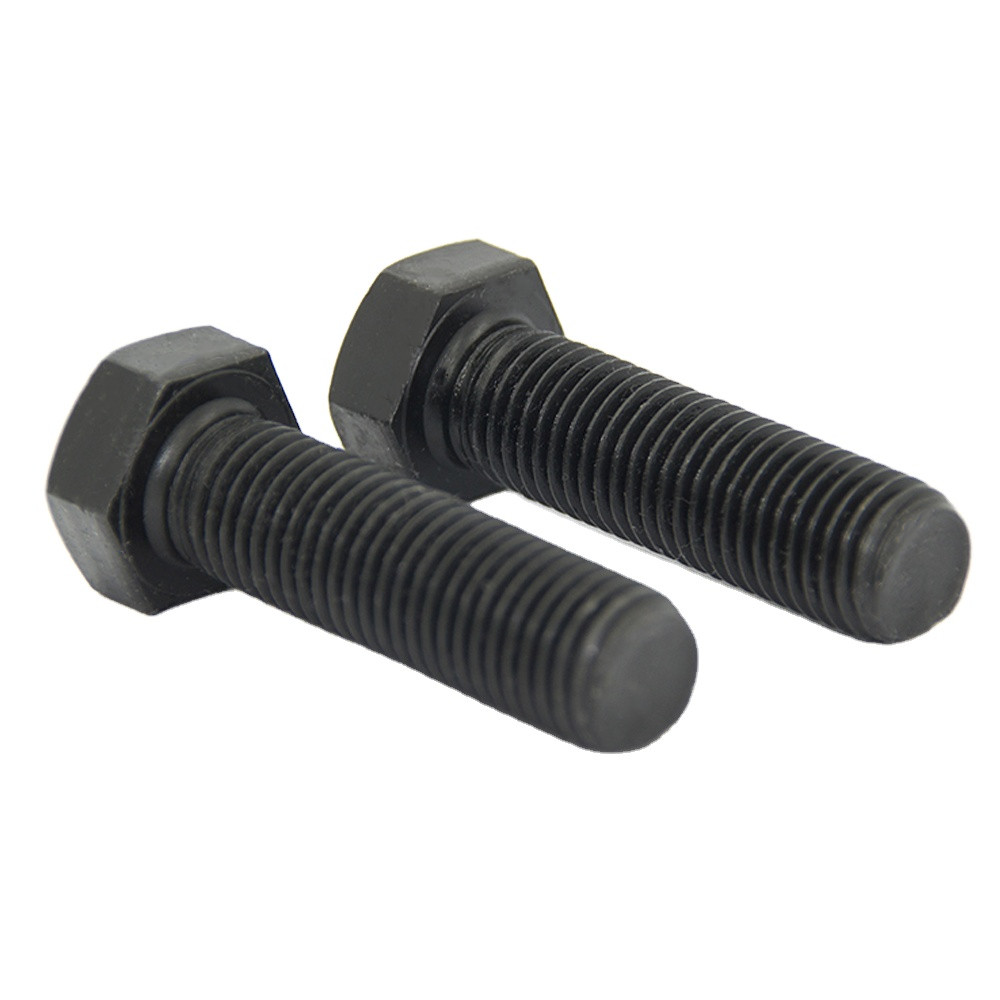
Seat belt bolts are predominantly manufactured from alloy steels, specifically grades 8.8, 10.9, and 12.9 according to the ISO 898-1 standard. These grades denote increasing tensile strength. The steel composition typically includes carbon, manganese, silicon, chromium, and molybdenum, with precise percentages varying depending on the desired mechanical properties. The carbon content is crucial for achieving high strength, while manganese enhances hardenability and toughness. Chromium and molybdenum contribute to improved corrosion resistance and creep strength. The raw material undergoes several manufacturing stages. Initially, steel billets are formed through processes like forging or cold heading. Forging offers superior grain structure and strength, particularly beneficial for high-stress applications, but is more expensive. Cold heading is a cost-effective method for mass production, though it may result in slightly lower strength. Following forming, the bolts are heat-treated – typically quenched and tempered – to achieve the required hardness and ductility. Quenching rapidly cools the steel, transforming the microstructure into martensite, a very hard but brittle phase. Tempering subsequently reduces brittleness while retaining significant strength. Critical parameters during heat treatment include temperature, time, and cooling rate, which must be meticulously controlled to achieve optimal properties. Thread rolling, rather than machining, is the preferred method for creating threads, as it work-hardens the material, improving thread strength and fatigue life. Finally, a protective coating, commonly zinc phosphate or Geomet, is applied to enhance corrosion resistance. The coating's thickness and adhesion are vital for long-term performance.
Performance & Engineering
The performance of seat belt bolts is governed by rigorous engineering principles, particularly those related to static and dynamic load analysis. In a frontal impact, a seat belt bolt experiences a significant tensile load as the seat belt restrains the occupant. The magnitude of this load can exceed several kN, depending on the occupant's mass, vehicle speed, and impact severity. Finite element analysis (FEA) is widely employed to model the stress distribution within the bolt and the surrounding chassis structure. This allows engineers to optimize bolt geometry, material selection, and tightening torque to prevent failure. Fatigue resistance is a critical consideration, as seat belt bolts are subjected to cyclic loading throughout the vehicle's lifespan due to normal driving conditions and minor impacts. The S-N curve (stress versus number of cycles to failure) is used to characterize the fatigue life of the bolt material. Environmental resistance is also paramount. Seat belt bolts are exposed to corrosive elements, such as road salt and moisture, which can degrade the material over time. The protective coating must provide adequate barrier protection against corrosion. Compliance requirements are dictated by international regulations, including FMVSS 213 (Federal Motor Vehicle Safety Standard) in the United States and ECE Regulation 14 in Europe. These standards specify minimum tensile strength, yield strength, and elongation requirements. Furthermore, torque-tension relationships must be carefully calibrated to ensure proper clamping force is achieved during installation. Under-tightening can lead to loosening and failure, while over-tightening can result in bolt stretching or stripping of threads.
Technical Specifications
| Grade | Tensile Strength (MPa) | Yield Strength (MPa) | Elongation (%) | Hardness (HRC) | Coating |
|---|---|---|---|---|---|
| 8.8 | 800 | 640 | 16 | 30-34 | Zinc Phosphate |
| 10.9 | 1000 | 980 | 14 | 33-37 | Zinc Phosphate/Geomet |
| 12.9 | 1200 | 1100 | 12 | 37-41 | Geomet |
| Material | Alloy Steel (e.g., 42CrMo4) | Alloy Steel (e.g., 40Cr) | Dependent on Steel Composition | Dependent on Heat Treatment | Zinc-Nickel Alloy |
| Torque Range (Nm) - M10 | 44-66 | 66-88 | 88-110 | N/A | N/A |
| Standard Compliance | ISO 898-1 | ISO 898-1 | ISO 898-1 | ISO 898-1 | ISO 9227 |
Failure Mode & Maintenance
Seat belt bolts are susceptible to several failure modes in practical applications. Fatigue cracking is a common occurrence, particularly in vehicles operating in harsh environments or subjected to frequent impact events. Cracks typically initiate at stress concentration points, such as thread roots or bolt head corners. Corrosion-induced failure can also occur, especially in regions exposed to road salt and moisture. Galvanic corrosion, arising from dissimilar metal contact, can accelerate the degradation process. Yielding, or plastic deformation, can occur if the bolt is subjected to loads exceeding its yield strength. This permanently weakens the bolt and reduces its load-carrying capacity. Thread stripping, resulting from excessive tightening torque or corrosion, is another potential failure mode. Shear failure, although less common, can occur if the bolt is subjected to high shear stresses. Maintenance of seat belt bolts typically involves periodic visual inspection for signs of corrosion, cracking, or deformation. If any defects are detected, the bolt should be replaced immediately. It is crucial to use the correct torque specifications during installation, as specified by the vehicle manufacturer. Avoid the use of impact wrenches, as they can deliver excessive torque and damage the bolt. Regularly cleaning the bolt and surrounding area can help prevent corrosion. For vehicles operating in harsh environments, consider applying a corrosion inhibitor to the bolt threads. Replacement should always be with a bolt meeting or exceeding the original manufacturer’s specifications, ensuring traceability and adherence to safety standards. Do not reuse bolts that have been previously subjected to significant loading or have been involved in a collision.
Industry FAQ
Q: What is the significance of bolt grade marking and how does it relate to safety?
A: Bolt grade marking, typically found on the bolt head, indicates the material's tensile strength. Higher grades (e.g., 12.9 vs. 8.8) signify stronger materials capable of withstanding greater loads. This is critical for safety, as seat belt bolts must maintain integrity under extreme forces during a collision. Using a lower-grade bolt than specified by the vehicle manufacturer compromises the seat belt system’s effectiveness and increases the risk of failure.
Q: How does corrosion impact the performance of seat belt bolts, and what preventative measures can be taken?
A: Corrosion weakens the bolt material, reducing its tensile and yield strength. This makes the bolt more susceptible to fatigue cracking and failure. Preventative measures include applying a protective coating (e.g., zinc phosphate, Geomet), regular cleaning to remove corrosive contaminants, and the application of corrosion inhibitors. In particularly harsh environments, more robust coatings like zinc-nickel alloy may be necessary.
Q: What are the key differences between forging and cold heading in the manufacturing of seat belt bolts, and which process offers superior performance?
A: Forging involves shaping the bolt from heated metal under high pressure, resulting in a superior grain structure and increased strength. Cold heading forms the bolt at room temperature, offering cost-effectiveness for mass production. While cold heading is suitable for many applications, forging generally provides higher strength and fatigue resistance, making it preferable for critical safety components like seat belt bolts.
Q: What is the role of torque-tension control in ensuring the correct clamping force for seat belt bolts?
A: Torque-tension control is essential for achieving the optimal clamping force between the seat belt mounting bracket and the vehicle chassis. Correct clamping force ensures that the load is properly transferred through the bolt and into the chassis. Under-tightening can lead to loosening and failure, while over-tightening can stretch or strip the bolt. Calibration of torque wrenches and adherence to manufacturer’s specifications are crucial.
Q: How often should seat belt bolts be inspected and replaced as part of routine vehicle maintenance?
A: Seat belt bolts should be inspected visually at least annually, or more frequently for vehicles operating in harsh conditions or with a history of accidents. Replacement should occur if any signs of corrosion, cracking, deformation, or loosening are observed. Following a collision, even a minor one, it is recommended to replace seat belt bolts as a precautionary measure, even if no visible damage is apparent.
Conclusion
Seat belt bolts represent a critical, yet often overlooked, component within automotive safety systems. Their performance is governed by a complex interplay of material science, manufacturing processes, and engineering principles. Selecting the appropriate bolt grade, ensuring proper heat treatment, applying robust protective coatings, and adhering to strict torque specifications are all paramount for maximizing reliability and preventing catastrophic failure. The meticulous control of these factors, coupled with regular inspection and timely replacement, are essential for maintaining the integrity of the seat belt restraint system and protecting vehicle occupants.
Future advancements in seat belt bolt technology are likely to focus on the development of even stronger and more corrosion-resistant materials, such as high-strength alloy steels with enhanced surface treatments. The integration of smart bolt technology, incorporating sensors to monitor bolt tension and detect early signs of fatigue, could further improve safety and reliability. Continued research and development in this area are crucial for addressing the evolving demands of automotive safety and mitigating the risks associated with vehicle collisions.