
Introduction
SBC starter bolts are critical fastening components utilized in small-block Chevrolet (SBC) engines, specifically securing the starter motor to the engine block. These bolts are essential for reliable engine starting, transmitting rotational force from the starter pinion gear to the flywheel. Their technical position within the automotive supply chain places them as a Class A component – failure of which directly impacts engine operability. Core performance characteristics include tensile strength, shear strength, and resistance to vibrational loosening. The industry faces challenges regarding consistent material quality, proper heat treatment, and adherence to tightening torque specifications to prevent premature failure and costly downtime. Selection is heavily influenced by engine build requirements (stock, mild, performance) and the anticipated stress levels on the starter system. Correct specification and installation are paramount to ensure reliable engine starting and avoid damage to the flywheel or starter motor housing.
Material Science & Manufacturing
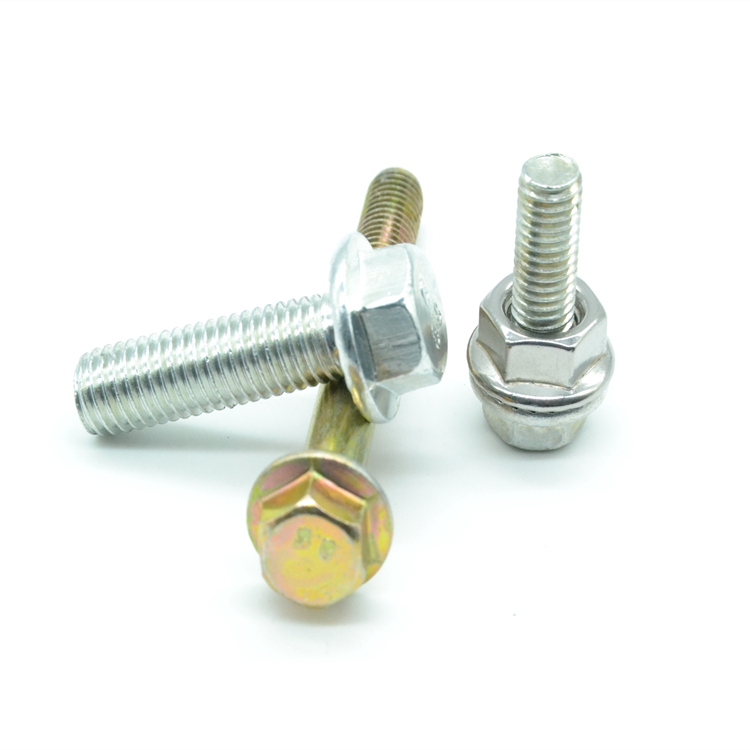
SBC starter bolts are predominantly manufactured from medium carbon steel alloys, typically AISI 4140 or AISI 1045. AISI 4140 offers superior tensile strength and hardenability due to its chromium and molybdenum content, making it suitable for high-performance applications. AISI 1045 provides a balance of strength and ductility for standard applications. Raw material sourcing and quality control are critical; variations in chemical composition directly affect mechanical properties. Manufacturing processes typically involve cold forging followed by heat treatment. Cold forging increases the strength and fatigue resistance of the bolt. Heat treatment, encompassing hardening and tempering, is crucial for achieving the desired Rockwell hardness (typically Rc 38-42) and optimal tensile strength (850-1050 MPa). Thread rolling, rather than machining, is preferred to maintain material grain flow and prevent stress concentrations. Key parameter control includes precise temperature regulation during heat treatment, maintaining consistent forging pressures, and accurate thread form verification. Surface treatments, such as phosphate coating or zinc plating, provide corrosion resistance and reduce friction during installation. Failure to maintain tight tolerances during manufacturing can lead to premature failure via stripping, shearing, or fatigue cracking.
Performance & Engineering
The performance of SBC starter bolts is governed by several engineering principles. Force analysis reveals that the bolts are subjected to a combination of tensile, shear, and bending stresses during engine starting. Tensile stress arises from the clamping force, shear stress from the reaction force of the starter pinion gear, and bending stress from any misalignment. Finite Element Analysis (FEA) is frequently employed to optimize bolt geometry and material selection to minimize stress concentrations. Environmental resistance is a key consideration; exposure to engine oil, coolant, and corrosive road salts can lead to corrosion and reduced strength. Material selection and surface treatments must account for these factors. Compliance requirements stem from industry standards such as SAE J429 (Grade 5 bolts) and SAE J995 (Grade 8 bolts) which specify mechanical properties, dimensional tolerances, and testing procedures. Functional implementation requires careful attention to tightening torque specifications. Over-tightening can lead to bolt stretch and eventual failure, while under-tightening can result in loosening and potential starter motor misalignment. The use of torque wrenches calibrated to NIST standards is essential. Vibration analysis is also critical, particularly in high-performance applications, where the use of thread locking compounds or prevailing torque nuts may be necessary to prevent loosening.
Technical Specifications
| Bolt Grade | Material | Tensile Strength (MPa) | Yield Strength (MPa) |
|---|---|---|---|
| Grade 5 | AISI 1045 | 830 | 580 |
| Grade 8 | AISI 4140 | 1040 | 830 |
| Performance Grade | Custom Alloy Steel (e.g., 300M) | 1200+ | 950+ |
| Diameter (Typical) | Varies | N/A | N/A |
| Thread Pitch (Typical) | Varies | N/A | N/A |
| Minimum Hardness (Rockwell C) | Varies | N/A | N/A |
Failure Mode & Maintenance
SBC starter bolts are susceptible to several failure modes. Fatigue cracking is a common issue, particularly in high-performance engines subjected to frequent starting cycles and high vibration levels. This initiates at stress concentration points, such as thread roots or bolt head corners. Shear failure can occur if the starter motor is misaligned or if excessive force is applied. Stripping of the threads, either in the bolt or the engine block, results from over-tightening or using incorrect thread engagement length. Corrosion, particularly galvanic corrosion between dissimilar metals, can weaken the bolt and increase the risk of failure. Hydrogen embrittlement, induced by surface treatments or corrosion, can reduce ductility and promote brittle fracture. Delamination of surface coatings can also occur, compromising corrosion resistance. Preventive maintenance involves regular inspection for signs of corrosion, cracking, or loosening. Torque should be checked periodically, and bolts should be replaced if any defects are detected. Applying anti-seize compound during installation can prevent galling and corrosion. Use of a calibrated torque wrench is paramount. Replacement bolts should meet or exceed the original manufacturer's specifications. If thread damage occurs in the engine block, a Helicoil or Time-Sert repair may be necessary.
Industry FAQ
Q: What is the impact of using a lower grade bolt than specified by the engine manufacturer?
A: Utilizing a lower grade bolt introduces a significant risk of premature failure. Lower grade bolts have reduced tensile and yield strengths, making them more susceptible to stretching, shearing, and fatigue cracking under the stresses imposed during engine starting. This can lead to starter motor misalignment, damage to the flywheel, and ultimately, engine failure. Always adhere to the manufacturer's recommended bolt grade.
Q: How does heat treatment affect the performance of SBC starter bolts?
A: Heat treatment is critical for achieving the desired mechanical properties. Hardening increases the strength and wear resistance, while tempering improves ductility and toughness. Improper heat treatment can result in a bolt that is too brittle and prone to fracture, or too soft and susceptible to deformation. Consistent and precise temperature control throughout the heat treatment process is essential.
Q: What is the best method for preventing corrosion of SBC starter bolts?
A: Corrosion can be mitigated through several methods. Phosphate coating or zinc plating provide a protective barrier against corrosion. Applying anti-seize compound during installation prevents galling and reduces corrosion due to dissimilar metal contact. Regularly inspecting and cleaning the bolts, and replacing them if signs of corrosion are present, is also crucial.
Q: What is the recommended tightening torque for SBC starter bolts, and why is it important to follow these specifications?
A: Recommended tightening torque varies depending on bolt size and grade, typically ranging from 35-50 ft-lbs. Adhering to these specifications is critical to ensure proper clamping force without overstressing the bolt. Over-tightening can stretch the bolt beyond its elastic limit, leading to eventual failure. Under-tightening can result in loosening and misalignment. Always use a calibrated torque wrench.
Q: Are there any specific considerations for high-performance SBC engines regarding starter bolt selection?
A: High-performance engines generate significantly higher starting forces and vibrations. In these applications, using higher grade bolts (e.g., Grade 8 or custom alloy steel) is recommended. Employing thread locking compounds or prevailing torque nuts can help prevent loosening. Regular inspection and replacement of bolts are also more frequent for high-performance builds. Consider using ARP bolts which are designed for extreme conditions.
Conclusion
SBC starter bolts, while seemingly simple components, are vital for reliable engine operation. Their performance is intimately linked to material science, manufacturing precision, and proper installation procedures. A comprehensive understanding of the stresses involved, potential failure modes, and relevant industry standards is essential for ensuring long-term durability and preventing costly downtime.
Selecting the appropriate bolt grade, employing correct tightening torque, and implementing a proactive maintenance schedule are critical best practices. As engine performance levels increase, the demands placed on these fasteners become more significant, necessitating a higher level of attention to detail and a commitment to using high-quality components. The use of advanced analytical techniques like FEA and ongoing material research continues to refine the design and performance of these essential fasteners.