
Introduction
Shoulder bolts (SBA bolts) are high-strength, internally threaded fasteners designed to transmit loads through both the bolt body and the shoulder diameter. Unlike standard bolts relying solely on threaded engagement, SBA bolts provide a stable and precise positioning function, making them critical components in applications demanding concentricity and low runout. Positioned within the industrial chain, they bridge the gap between precision machining and robust assembly, finding widespread use in automotive, aerospace, robotics, and specialized machinery. Core performance characteristics include high shear and tensile strength, controlled shoulder diameter tolerances, and resistance to vibrational loosening. Understanding these attributes is crucial for engineers facing challenges related to load distribution, alignment, and long-term durability in demanding environments.
Material Science & Manufacturing
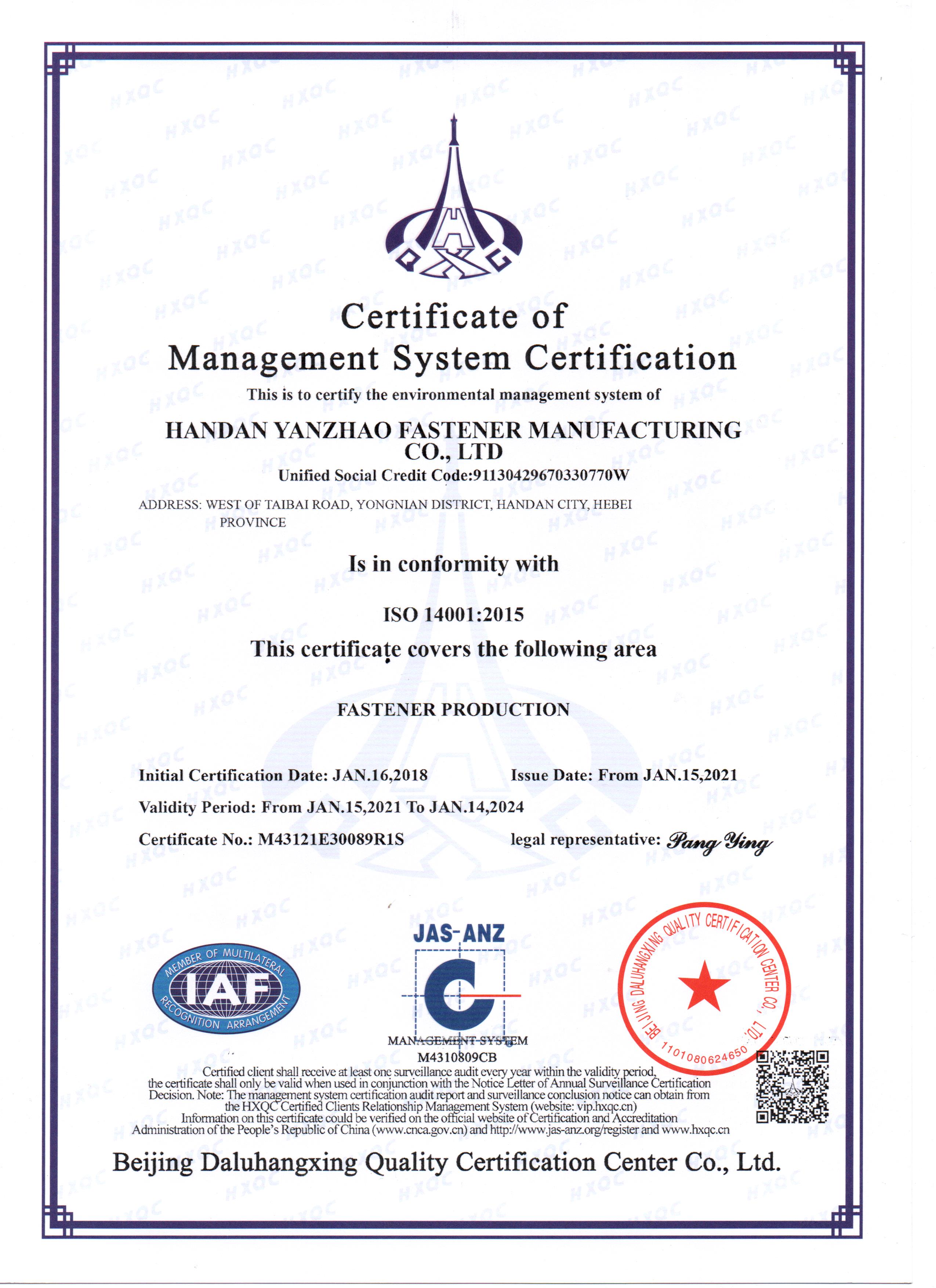
SBA bolts are commonly manufactured from high-strength alloy steels, including 4140, 4340, and 15-5 PH stainless steel. 4140 offers a good balance of strength, toughness, and weldability, often selected for structural applications. 4340 provides even higher strength and hardenability, favored in applications requiring exceptional fatigue resistance. 15-5 PH stainless steel combines corrosion resistance with high strength, suited for environments prone to chemical attack or moisture. Raw material properties, such as yield strength, ultimate tensile strength, and elongation, are tightly controlled through steelmaking processes and subsequent heat treatment. Manufacturing typically involves cold heading to form the bolt head and shoulder, followed by precision machining to achieve the required dimensions and tolerances. The internal thread is formed via thread rolling, which improves fatigue strength compared to thread cutting. Critical parameters include cold heading force, die geometry, machining feed rates, and cutting tool materials. Heat treatment, encompassing hardening, tempering, and sometimes case hardening, is essential to optimize the material’s mechanical properties. Surface treatments, such as phosphate coating or zinc plating, enhance corrosion resistance. Quality control relies heavily on non-destructive testing methods like magnetic particle inspection (MPI) and ultrasonic testing to detect internal flaws.
Performance & Engineering
The performance of SBA bolts is fundamentally governed by stress analysis under applied loads. The shoulder diameter is subjected to shear stress, while the threaded portion experiences tensile stress. Finite Element Analysis (FEA) is frequently employed to model stress distributions and optimize bolt geometry for specific applications. Considerations include load eccentricity, preload, and the presence of bending moments. Environmental resistance is paramount, particularly in corrosive environments. Galvanic corrosion can occur when dissimilar metals are in contact, necessitating careful material selection and the use of insulating washers. Fatigue performance is also critical, especially in applications involving cyclic loading. Fatigue life is influenced by stress concentration at the thread roots and the quality of the surface finish. Compliance requirements vary depending on the industry. For example, aerospace applications adhere to stringent standards specified by organizations like SAE International, while automotive applications follow ISO standards. Functional implementation requires precise alignment of the bolt within the housing to ensure proper load transfer. Interference fits between the shoulder and the housing can provide enhanced stability and minimize vibration. Proper tightening torque is crucial; under-tightening can lead to loosening, while over-tightening can yield the bolt or strip the threads.
Technical Specifications
| Diameter (mm) | Shoulder Diameter (mm) | Thread Size (UNC/UNF) | Material Grade |
|---|---|---|---|
| 6 | 12 | 1/4-20 UNC | 4140 |
| 8 | 16 | 5/16-18 UNC | 4340 |
| 10 | 20 | 3/8-16 UNC | 15-5 PH |
| 12 | 24 | 7/16-14 UNC | 4140 |
| 16 | 32 | 1/2-13 UNC | 4340 |
| 20 | 40 | 5/8-11 UNC | 15-5 PH |
Failure Mode & Maintenance
SBA bolts are susceptible to several failure modes. Fatigue cracking, initiated at stress concentration points (typically thread roots or the shoulder-to-head transition), is common in cyclically loaded applications. Corrosion, particularly galvanic corrosion, can weaken the bolt material and lead to premature failure. Thread stripping can occur due to excessive tightening torque or material defects in the housing. Shear failure of the shoulder can result from overload or improper alignment. Hydrogen embrittlement, induced by certain plating processes or corrosive environments, can reduce ductility and increase susceptibility to cracking. Maintenance involves regular visual inspections for signs of corrosion, cracking, or thread damage. Torque checks should be performed periodically to ensure proper preload. Lubrication of the threads can reduce friction and prevent galling during tightening and loosening. When replacing SBA bolts, it is crucial to use the correct grade and size, and to adhere to the manufacturer's recommended tightening torque. Preventive measures include selecting corrosion-resistant materials, applying protective coatings, and implementing a robust quality control program.
Industry FAQ
Q: What is the primary advantage of using an SBA bolt over a standard shoulder bolt?
A: The primary advantage lies in the SBA bolt’s internally threaded design. This allows for direct attachment of components without needing separate nuts, simplifying assembly and improving the accuracy of load transfer, especially in applications requiring concentricity.
Q: How does material selection affect the fatigue life of an SBA bolt?
A: Higher strength materials, like 4340, generally offer improved fatigue resistance compared to lower strength alloys. However, material properties are only part of the equation. Surface finish, thread quality, and the presence of residual stresses also significantly impact fatigue life.
Q: What are the key considerations when specifying the shoulder diameter of an SBA bolt?
A: The shoulder diameter must be precisely matched to the housing bore to ensure proper alignment and load distribution. Interference fits can enhance stability but require careful control to avoid preloading the bolt excessively. Tolerances should be specified based on the application’s requirements for accuracy and runout.
Q: What methods can be used to mitigate the risk of corrosion in SBA bolt applications?
A: Material selection (e.g., using stainless steel or alloys with corrosion-resistant coatings), application of protective coatings (e.g., zinc plating, phosphate coating), and the use of insulating washers to prevent galvanic corrosion are effective mitigation strategies. Proper lubrication can also provide a barrier against corrosive elements.
Q: How do I determine the appropriate tightening torque for an SBA bolt?
A: The appropriate tightening torque depends on the bolt diameter, thread pitch, material grade, and lubrication. Manufacturers typically provide recommended torque values. Using a calibrated torque wrench is essential to ensure accurate preload and prevent over-tightening or under-tightening.
Conclusion
SBA bolts represent a crucial fastening solution in applications requiring precision, strength, and reliability. Their unique design, coupled with careful material selection and manufacturing processes, enables them to effectively manage complex loads and maintain accurate positioning. Understanding the material science, performance characteristics, and potential failure modes is essential for engineers seeking to optimize bolt performance and ensure long-term durability.
The future of SBA bolt technology will likely focus on advancements in material science, such as the development of new high-strength alloys with enhanced corrosion resistance and fatigue life. Furthermore, improved manufacturing techniques, including additive manufacturing, may enable the creation of complex bolt geometries tailored to specific applications. Continued development of non-destructive testing methods will also play a vital role in ensuring quality control and preventing failures.