
Introduction
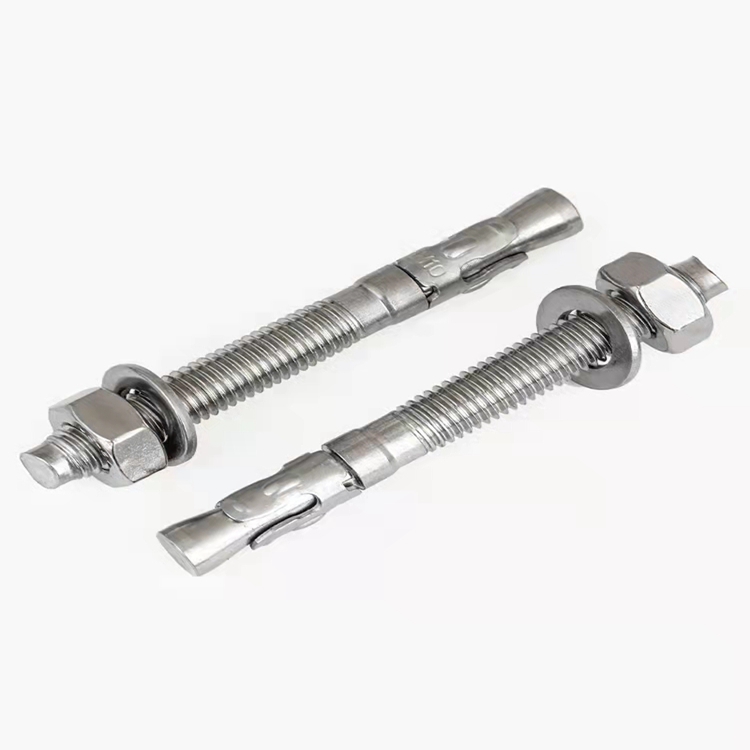
Rod end bolts, also known as spherical rod ends, are critical components in a variety of mechanical systems, facilitating controlled articulation and load transmission. They serve as pivotal elements in applications ranging from aerospace control surfaces and automotive steering linkages to industrial robotics and heavy machinery. Their functionality hinges on a robust construction allowing angular movement around a spherical bearing surface. This guide provides an in-depth technical analysis of rod end bolts, encompassing material science, manufacturing processes, performance characteristics, failure modes, and relevant industry standards. The core challenge within the industry revolves around optimizing load capacity, minimizing wear, and ensuring reliable performance under harsh operating conditions – factors directly impacting system uptime and safety. Rod end bolt selection is not simply a matter of dimension; it’s an exercise in understanding the interplay of material properties, manufacturing precision, and operational constraints.
Material Science & Manufacturing
The core material for rod end bolts is typically high-strength alloy steel, most commonly 4140, 4340, or similar grades conforming to AISI/SAE specifications. These steels offer a favorable combination of tensile strength, yield strength, and toughness. The bearing surface, or spherical segment, is frequently case-hardened using processes like induction hardening or carburizing to achieve a high Rockwell C hardness (typically 58-62 HRC) providing exceptional wear resistance. The core remains relatively softer to maintain ductility and prevent catastrophic brittle fracture. Manufacturing begins with forging or machining the bolt body to near-net shape. Critical dimensions are then achieved through CNC machining, ensuring precise tolerances crucial for proper articulation. The spherical surface is ground to extremely tight tolerances, often utilizing diamond grinding wheels. Thread rolling is favored over thread cutting to enhance thread strength and fatigue life. Post-processing often includes surface treatments like phosphate coating or zinc plating to provide corrosion resistance. Chemical composition control is paramount, with strict adherence to material specifications documented in mill test reports. Hydrogen embrittlement is a key concern during hardening processes, requiring careful control of furnace atmosphere and post-treatment baking to diffuse hydrogen. The selection of lubricant during machining significantly affects the surface finish and residual stress levels, directly impacting fatigue performance.
Performance & Engineering
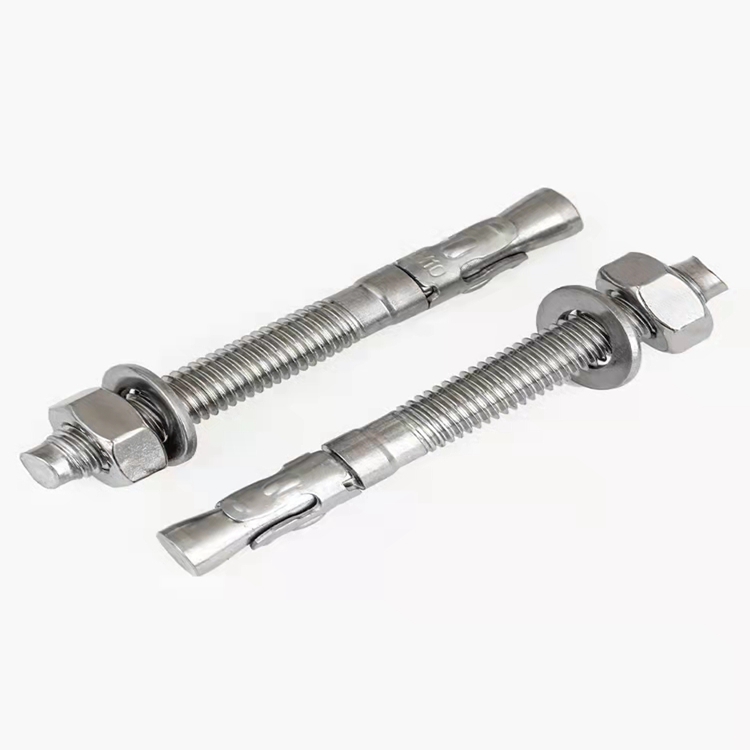
Rod end bolt performance is defined by several key parameters: static load capacity, dynamic load capacity, yield strength, tensile strength, and fatigue life. Static load capacity is determined by the bolt’s ability to withstand a fixed load without permanent deformation. Dynamic load capacity refers to its ability to withstand fluctuating loads over time. Finite Element Analysis (FEA) is extensively used to model stress distribution within the bolt body and spherical bearing under various loading scenarios. The geometry of the spherical surface, specifically the radius of curvature, is critical. A larger radius generally provides a lower contact stress, increasing fatigue life. However, it also reduces the range of angular motion. Misalignment is a critical engineering consideration. Excessive misalignment introduces bending moments, significantly reducing load capacity and accelerating wear. Proper selection of bearing materials and lubrication regimes is crucial to mitigate the effects of misalignment. Compliance requirements often dictate specific testing protocols, including fatigue testing per ASTM E448 and load testing per ASTM E8. Corrosion resistance is also a vital performance aspect, particularly in marine or corrosive industrial environments. Coatings and material selection must be tailored to the specific operating environment. The interaction between the rod end bolt and its mating components (e.g., cylinder, linkage) must be analyzed to ensure proper fit and alignment, preventing premature failure.
Technical Specifications
| Parameter | Unit | Typical Value (4140 Steel, Case Hardened) | Testing Standard |
|---|---|---|---|
| Tensile Strength | MPa | 950 - 1100 | ASTM E8 |
| Yield Strength | MPa | 820 - 980 | ASTM E8 |
| Hardness (Case Depth) | HRC | 58-62 (0.8-1.5mm) | ASTM HRC |
| Static Load Capacity | kN | 50 - 200 (depending on size) | Manufacturer Specification |
| Dynamic Load Capacity | kN | 20 - 80 (depending on size) | DIN 6899 |
| Maximum Angular Misalignment | Degrees | 5 - 15 (depending on design) | Manufacturer Specification |
Failure Mode & Maintenance
Common failure modes for rod end bolts include fatigue cracking, pitting corrosion, wear, galling, and thread stripping. Fatigue cracking typically initiates at stress concentrations, such as the root of threads or around surface imperfections. Pitting corrosion, particularly in chloride-rich environments, can degrade the spherical bearing surface, leading to increased wear and reduced load capacity. Galling occurs when two mating surfaces slide against each other under high load, resulting in material transfer and surface damage. Thread stripping can occur due to overloading or improper tightening. Failure analysis often involves fractographic examination to identify the crack initiation site and propagation mechanism. Preventative maintenance includes regular lubrication with appropriate greases (lithium-based or molybdenum disulfide are common choices), visual inspection for signs of wear or corrosion, and periodic torque checks. Proper lubrication reduces friction, minimizes wear, and provides a barrier against corrosion. If galling is observed, the affected component should be replaced. Ultrasonic inspection can be used to detect internal cracks before they lead to catastrophic failure. Proper storage is also important; bolts should be protected from moisture and contaminants to prevent corrosion. Regular cleaning and re-coating may be necessary in harsh environments.
Industry FAQ
Q: What is the impact of surface finish on the fatigue life of a rod end bolt?
A: Surface finish plays a crucial role in fatigue life. Rougher surfaces introduce stress concentrations, significantly reducing fatigue resistance. Polishing or grinding the surface to a smooth finish minimizes these stress concentrations and increases fatigue life. Residual compressive stresses induced by shot peening can also improve fatigue performance.
Q: How do I select the appropriate lubrication for a rod end bolt operating in high-temperature environments?
A: High-temperature environments require lubricants with high thermal stability and oxidation resistance. Synthetic greases based on polyalphaolefin (PAO) or silicone are often preferred. Avoid lubricants that contain additives that may degrade at elevated temperatures.
Q: What are the considerations for selecting a rod end bolt for a corrosive environment?
A: For corrosive environments, select materials with inherent corrosion resistance, such as stainless steel. Alternatively, apply protective coatings like zinc plating, phosphate coating, or PTFE coating. Regularly inspect for signs of corrosion and re-apply coatings as needed. Ensure compatibility between the bolt material, coating, and the corrosive medium.
Q: What is the effect of misalignment on the load capacity of a rod end bolt?
A: Misalignment introduces bending moments, significantly reducing the load capacity of the bolt. Excessive misalignment can lead to premature failure. Design the system to minimize misalignment, or select a rod end bolt specifically designed to accommodate a certain degree of misalignment.
Q: What is the importance of proper torqueing when installing a rod end bolt?
A: Proper torqueing is critical for ensuring adequate clamping force and preventing loosening. Under-torqueing can lead to loosening and premature failure, while over-torqueing can cause thread stripping or bolt stretching. Follow the manufacturer's recommended torque specifications and use a calibrated torque wrench.
Conclusion
Rod end bolts are essential components demanding careful consideration of material properties, manufacturing precision, and operational demands. Optimizing their performance necessitates a thorough understanding of failure modes, appropriate maintenance practices, and adherence to industry standards. The selection process goes beyond simply matching dimensions; it requires a holistic engineering approach that accounts for load conditions, environmental factors, and potential misalignment.
Future advancements in rod end bolt technology are likely to focus on the development of new materials with enhanced wear resistance and corrosion protection, as well as improved surface treatments to extend fatigue life. Continued refinement of FEA modeling techniques will enable more accurate prediction of stress distribution and optimization of bolt geometry. The integration of sensor technology for real-time monitoring of load and wear will also play an increasingly important role in preventative maintenance and failure prevention.