
Introduction
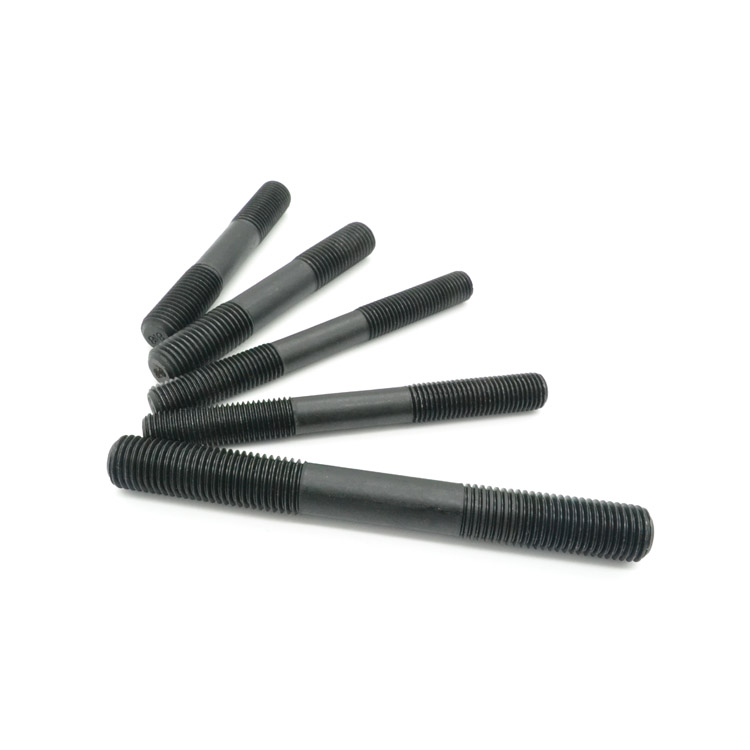
Mid State Bolts and Screws represent a critical fastening component across a diverse range of industrial applications, including automotive assembly, aerospace engineering, construction, and heavy machinery. These fasteners, generally manufactured from carbon and alloy steels, stainless steels, and occasionally aluminum or titanium alloys, provide mechanical clamping force to join materials securely. Their technical position within the industrial chain is foundational; without reliable fasteners, the integrity and performance of larger assemblies are compromised. Core performance characteristics are defined by tensile strength, yield strength, shear strength, fatigue resistance, and corrosion resistance, all of which are meticulously controlled during the manufacturing process to ensure adherence to stringent industry standards and application-specific requirements. The escalating demand for high-strength, lightweight fasteners drives continual innovation in materials, coatings, and manufacturing techniques within this sector.
Material Science & Manufacturing
The primary raw materials for Mid State Bolts and Screws are carbon steels (e.g., 1045, 4140), alloy steels (e.g., 8.8, 10.9, 12.9 grades – denoting strength classes), and stainless steels (e.g., 304, 316). Carbon steel offers high strength at a relatively low cost but is susceptible to corrosion. Alloy steels, incorporating elements like chromium, molybdenum, and vanadium, exhibit enhanced strength, toughness, and hardenability. Stainless steels provide superior corrosion resistance due to their chromium content, forming a passive oxide layer. Manufacturing typically begins with hot forging or cold heading, shaping the raw material into the desired bolt or screw form. Heat treatment – including hardening, tempering, and case hardening – is crucial for achieving the specified mechanical properties. Surface treatments, such as zinc plating, phosphate coating, or specialized coatings like Geomet, provide corrosion protection and improve thread lubricity. Critical parameters controlled during manufacturing include chemical composition verification via spectroscopy, dimensional accuracy using calibrated gauges, hardness testing (Rockwell, Vickers), tensile strength testing, and thread form inspection. Welding processes, while less common for the bolt body itself, are utilized in the manufacture of certain specialized fasteners with extended features or attachments. Cold forming processes induce residual compressive stresses, increasing fatigue life. The selection of lubricant during forming also influences the final mechanical properties, particularly surface finish and residual stress distribution.
Performance & Engineering
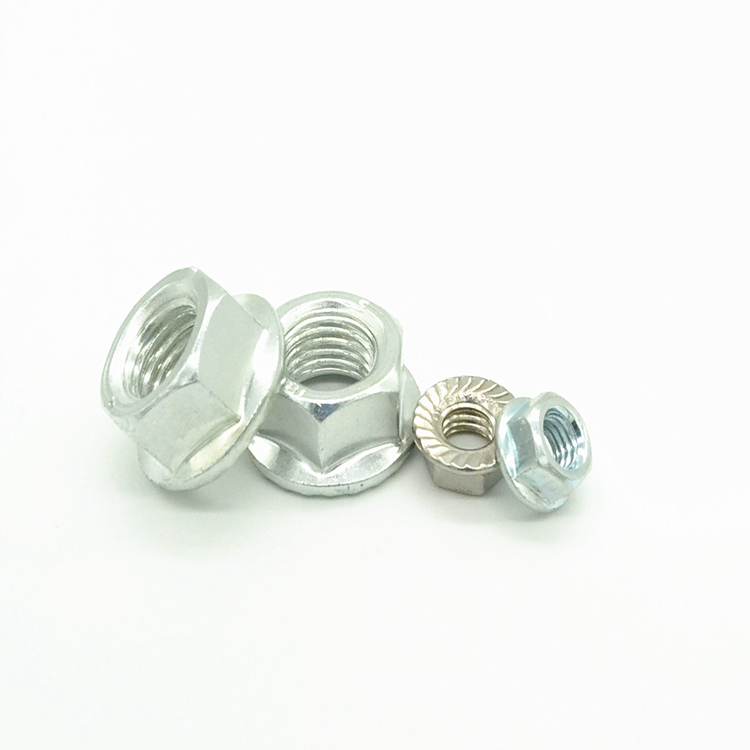
The performance of Mid State Bolts and Screws is fundamentally governed by force analysis, considering tensile, shear, and torsional loads. Tensile strength represents the maximum stress the fastener can withstand before fracture under a tensile load, while yield strength denotes the stress at which permanent deformation begins. Shear strength indicates the fastener’s resistance to forces acting parallel to its cross-section. Fatigue resistance is paramount in applications subjected to cyclic loading; factors such as stress concentration at thread roots and surface finish significantly impact fatigue life. Environmental resistance is critical, especially in corrosive environments. The choice of material and coating dictates the fastener’s ability to withstand exposure to chemicals, salt spray, and temperature fluctuations. Compliance requirements often dictate specific testing protocols and material specifications. For example, aerospace applications demand adherence to stringent AMS (Aerospace Material Specification) standards. Functional implementation involves proper torque application – under-torque can lead to loosening, while over-torque can cause fastener failure. Preload, the initial tension in the bolt, is a key design parameter influencing joint clamping force and fatigue life. Finite element analysis (FEA) is frequently employed to optimize fastener geometry and predict stress distribution under various loading conditions. Galvanic corrosion, resulting from dissimilar metal contact, must be considered when selecting fastener materials for assemblies containing different metals.
Technical Specifications
| Material Grade | Tensile Strength (MPa) | Yield Strength (MPa) | Hardness (Rockwell C) |
|---|---|---|---|
| SAE Grade 5 | 830 | 690 | 30-35 |
| SAE Grade 8 | 1040 | 950 | 33-39 |
| A2 Stainless Steel (304) | 500-700 | 210-275 | 20-25 |
| A4 Stainless Steel (316) | 620-800 | 250-350 | 25-32 |
| Class 8.8 (Metric) | 800 | 600 | 33-39 |
| Class 10.9 (Metric) | 1000 | 900 | 37-41 |
Failure Mode & Maintenance
Failure modes for Mid State Bolts and Screws are diverse, ranging from tensile fracture and shear failure to fatigue cracking and corrosion-induced weakening. Tensile fracture occurs when the applied tensile load exceeds the material's ultimate tensile strength. Shear failure happens when the shear stress surpasses the material's shear strength. Fatigue cracking initiates at stress concentration points, such as thread roots or surface defects, and propagates over time under cyclic loading. Corrosion, particularly galvanic corrosion and pitting corrosion, can significantly reduce the fastener’s cross-sectional area, leading to premature failure. Hydrogen embrittlement, common in high-strength steels exposed to hydrogen-containing environments, reduces ductility and promotes brittle fracture. Thread stripping can occur due to improper torque application or material incompatibility. Maintenance involves regular inspection for signs of corrosion, loosening, or damage. Torque checks should be performed periodically, particularly in critical applications. Damaged or corroded fasteners must be replaced immediately. Lubrication of threads is essential to prevent galling and ensure proper torque application. The use of compatible anti-seize compounds can mitigate corrosion and facilitate disassembly. Proper storage in a dry environment prevents premature corrosion during periods of non-use. Non-destructive testing methods, such as ultrasonic testing and magnetic particle inspection, can detect internal flaws and cracks before they lead to catastrophic failure.
Industry FAQ
Q: What is the impact of different coating types on the long-term performance of bolts in a marine environment?
A: In marine environments, the choice of coating is crucial. Zinc plating offers basic corrosion protection but degrades relatively quickly. Hot-dip galvanizing provides superior protection but can be susceptible to white rust. Specialized coatings like Geomet or ceramic coatings provide significantly enhanced corrosion resistance, forming a barrier against saltwater intrusion. The coating thickness and adhesion are critical parameters. Regular inspection and maintenance are still required, even with the most advanced coatings.
Q: How do you determine the appropriate bolt preload for a critical joint in an automotive engine?
A: Determining appropriate preload involves considering the joint's material properties, clamping force requirements, and the fastener’s mechanical characteristics. Torque-tension relationships are established through testing. Finite element analysis (FEA) can simulate stress distribution and optimize preload. The goal is to achieve sufficient clamping force to prevent joint separation under load, without exceeding the fastener's yield strength. Controlled torque tightening methods, such as torque-angle tightening, are commonly employed to ensure consistent preload.
Q: What are the key considerations when selecting a bolt material for high-temperature applications?
A: For high-temperature applications, creep resistance and oxidation resistance are paramount. Alloy steels containing chromium, molybdenum, and nickel are often used. Austenitic stainless steels (e.g., 316) maintain strength at elevated temperatures but can be susceptible to creep. Nickel-based alloys offer excellent high-temperature strength and corrosion resistance but are more expensive. The operating temperature, stress level, and environmental conditions dictate the optimal material selection.
Q: How does fastener thread form (e.g., metric, UNC, UNF) impact its performance and interchangeability?
A: Thread form influences the load-carrying capacity and engagement area. Metric threads utilize a 60-degree thread angle, while Unified National Coarse (UNC) and Unified National Fine (UNF) threads also employ a 60-degree angle but have different pitch values. Finer threads provide greater clamping force and shear strength, but are more susceptible to stripping. Interchangeability is only guaranteed when using the same thread standard (metric or unified) and pitch. Mixing thread types can lead to improper clamping and joint failure.
Q: What role does fastener surface finish play in preventing fatigue failure?
A: Fastener surface finish significantly impacts fatigue life. Rough surfaces contain microscopic stress concentrators that initiate cracks under cyclic loading. Polishing or shot peening introduces compressive residual stresses at the surface, increasing fatigue resistance. Surface treatments like coatings can also improve fatigue performance by providing a smoother surface and protecting against corrosion. A controlled surface roughness parameter (Ra) is often specified in critical applications.
Conclusion
Mid State Bolts and Screws are not merely commodity items; they are engineered components critical to the integrity and reliability of countless industrial systems. Their performance is dictated by a complex interplay of material science, manufacturing processes, and engineering principles. Understanding the nuances of material selection, heat treatment, surface treatments, and proper application techniques is essential for ensuring optimal performance and preventing premature failure.
The continued advancement of fastener technology will focus on developing high-strength, lightweight materials, innovative coating systems, and intelligent fastening solutions that enable predictive maintenance and improve joint reliability. Adherence to international standards and rigorous quality control procedures are paramount for maintaining the highest levels of performance and safety in critical applications.