
Introduction
Lower control arm (LCA) bolts are critical fasteners within vehicle suspension systems, responsible for securing the LCA to the vehicle’s chassis. These components directly impact vehicle handling, safety, and durability. Unlike many other automotive fasteners, LCA bolts are frequently subject to high shear and tensile loads, coupled with significant dynamic stresses due to suspension articulation and road impacts. The technical position of these bolts resides at the intersection of metallurgy, fastener engineering, and automotive safety standards. Core performance characteristics include high tensile strength, fatigue resistance, corrosion protection, and consistent clamping force retention. Degradation of these characteristics leads directly to suspension instability, premature component wear, and potential safety hazards. The increasing complexity of modern suspension designs, alongside the growing use of lightweight materials in vehicle construction, places ever greater demands on LCA bolt performance.
Material Science & Manufacturing
LCA bolts are commonly manufactured from medium carbon alloy steels, typically AISI 4140 or equivalent, due to their high strength and hardenability. The steel composition is crucial, with controlled percentages of manganese, chromium, and molybdenum contributing to improved mechanical properties. Manufacturing begins with hot forging or cold heading to form the bolt’s basic shape. Heat treatment is a critical stage, involving austenitizing, quenching, and tempering. Austenitizing heats the steel to a temperature where it transforms into austenite, a phase that allows for uniform carbon distribution. Quenching rapidly cools the steel, hardening it. Tempering reduces brittleness and improves toughness. Thread rolling, a cold-forming process, creates the bolt threads, improving their strength compared to machined threads. Surface treatments, such as phosphate coating or zinc plating, provide corrosion resistance. Bolt preload is achieved through controlled tightening procedures using calibrated torque wrenches or, increasingly, torque-angle tightening methods. Variations in material composition, heat treatment parameters (temperature, time, cooling rate), and thread rolling techniques directly influence the final bolt strength, fatigue life, and susceptibility to failure. Precise control of these parameters is essential to meet stringent automotive industry requirements. The trend towards higher-strength steel alloys and advanced coating technologies, such as Geomet or Delta-Kote, aims to further enhance LCA bolt performance and longevity.
Performance & Engineering
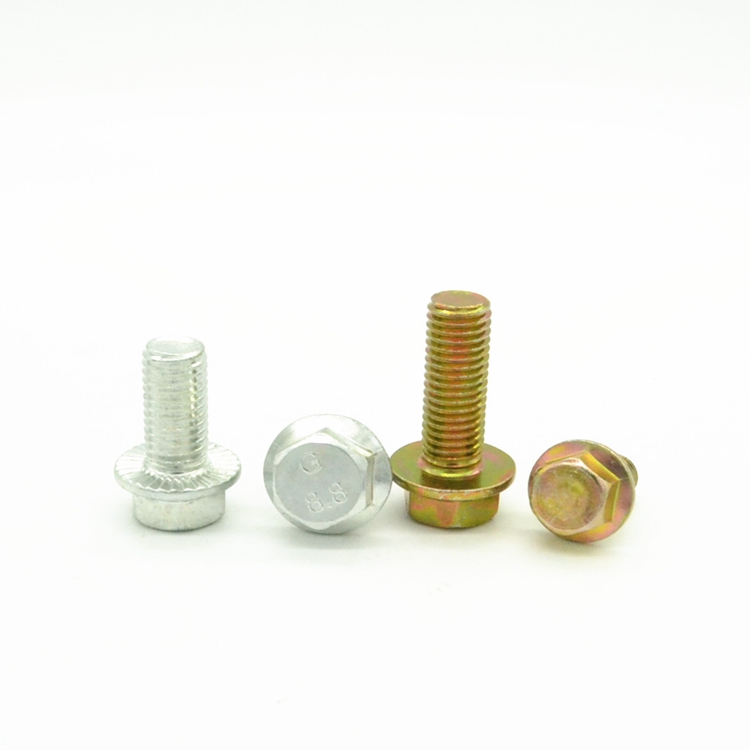
The performance of LCA bolts is governed by several key engineering principles. Shear stress, induced by suspension movement, and tensile stress, generated by clamping force and dynamic loads, are the primary stress components. Fatigue analysis is crucial, considering the cyclic loading experienced during vehicle operation. Finite Element Analysis (FEA) is routinely employed to model stress distribution within the bolt and surrounding components, optimizing bolt geometry and material selection. Clamping force is paramount; insufficient clamping force leads to joint slip, fretting wear, and potential bolt loosening. Excessive clamping force can exceed the bolt’s yield strength, causing permanent deformation or failure. Corrosion resistance is vital, especially in environments exposed to road salt, moisture, and other corrosive agents. Galvanic corrosion, occurring when dissimilar metals are in contact, must be mitigated through appropriate material selection or protective coatings. LCA bolts are often designed with specific elongation characteristics to provide a visual indication of preload loss. Compliance with automotive safety standards, such as those defined by SAE International (J429, J1199), is mandatory. These standards dictate material requirements, mechanical property specifications, and testing procedures. The use of high-strength bolts requires careful consideration of the mating material's strength to prevent thread stripping or component failure. The trend towards aluminum suspension components necessitates the use of corrosion-resistant bolts and protective coatings to prevent galvanic corrosion.
Technical Specifications
| Material Grade | Tensile Strength (MPa) | Yield Strength (MPa) | Proof Load (kN) |
|---|---|---|---|
| AISI 4140 | 1000-1200 | 830-1000 | 80-150 |
| Grade 10.9 | 1000 | 900 | 90-180 |
| Grade 12.9 | 1200 | 1100 | 120-240 |
| Surface Treatment | Phosphate Coating | Zinc Plating | Geomet |
| Corrosion Resistance (Salt Spray Test) | 24 hours | 72 hours | 500 hours |
| Torque Range (Nm) | 50-100 | 80-150 | 100-200 |
Failure Mode & Maintenance
LCA bolts are susceptible to several failure modes. Fatigue failure, initiated by repeated stress cycles, is a common cause of failure, often manifesting as cracks originating at thread roots or under head. Corrosion-induced failures arise from electrochemical reactions, weakening the bolt material. Hydrogen embrittlement, a phenomenon where hydrogen atoms diffuse into the steel, reducing its ductility, can occur in high-strength bolts, particularly those exposed to corrosive environments. Stripped threads, occurring in either the bolt or the mating component, result from exceeding the material's shear strength or improper installation. Loosening, caused by vibration, temperature fluctuations, or insufficient preload, compromises joint integrity. Proper maintenance is crucial for preventing these failures. Regular torque checks, performed using calibrated torque wrenches, ensure adequate clamping force. Visual inspections for signs of corrosion, cracks, or thread damage are essential. The use of anti-seize compounds prevents galling and facilitates bolt removal. When replacing LCA bolts, it is crucial to use fasteners that meet or exceed the original equipment manufacturer's (OEM) specifications. Damaged or corroded bolts should be replaced immediately. Employing torque-angle tightening methods ensures accurate preload and reduces the risk of loosening. Documenting torque values and inspection dates provides a maintenance history for tracking bolt performance.
Industry FAQ
Q: What is the significance of bolt proof load in LCA applications?
A: The proof load represents the maximum tensile stress the bolt can withstand without permanent deformation. In LCA applications, it's crucial as it dictates the bolt's ability to maintain clamping force under dynamic loading, preventing joint separation and ensuring suspension stability. A higher proof load generally indicates a more robust bolt capable of handling greater stresses.
Q: How does thread engagement length affect LCA bolt performance?
A: Adequate thread engagement length is critical for distributing the load across multiple threads, reducing stress concentration, and preventing thread stripping. Insufficient engagement length increases the risk of failure, particularly under shear loads. Manufacturers specify minimum thread engagement lengths based on bolt material and application requirements.
Q: What are the benefits of using torque-angle tightening for LCA bolts?
A: Torque-angle tightening provides more precise preload control than torque-only tightening. After achieving a specified torque, the bolt is further tightened by a specific angle, stretching the bolt elastically and ensuring consistent clamping force, regardless of variations in thread friction. This method reduces the risk of loosening and improves joint reliability.
Q: How does the choice of surface treatment influence LCA bolt longevity?
A: Surface treatments provide corrosion protection, extending bolt lifespan. Phosphate coating offers basic corrosion resistance, while zinc plating provides improved protection. Advanced coatings like Geomet or Delta-Kote offer superior corrosion resistance, particularly in harsh environments. The selection of the appropriate coating depends on the vehicle’s operating environment and OEM requirements.
Q: What role does material traceability play in ensuring LCA bolt quality?
A: Material traceability, encompassing the entire supply chain from raw material sourcing to finished product, is essential for ensuring bolt quality and identifying potential issues. It allows for verification of material composition, heat treatment processes, and manufacturing procedures, providing confidence in the bolt’s performance and safety.
Conclusion
Lower control arm bolts are integral to vehicle safety and performance, demanding meticulous attention to material selection, manufacturing processes, and maintenance procedures. The complex interplay of stresses, environmental factors, and stringent industry standards necessitates a comprehensive understanding of bolt behavior and failure modes. Proper specification and installation, adhering to OEM guidelines and employing advanced tightening techniques, are paramount for ensuring long-term reliability.
Future advancements in LCA bolt technology will likely focus on the development of even higher-strength materials, more durable coatings, and smart fasteners equipped with sensors for real-time preload monitoring. These innovations will further enhance vehicle safety, reduce maintenance costs, and improve the overall driving experience. Continuous research and development, coupled with rigorous quality control, will remain crucial for meeting the evolving demands of the automotive industry.