
Introduction
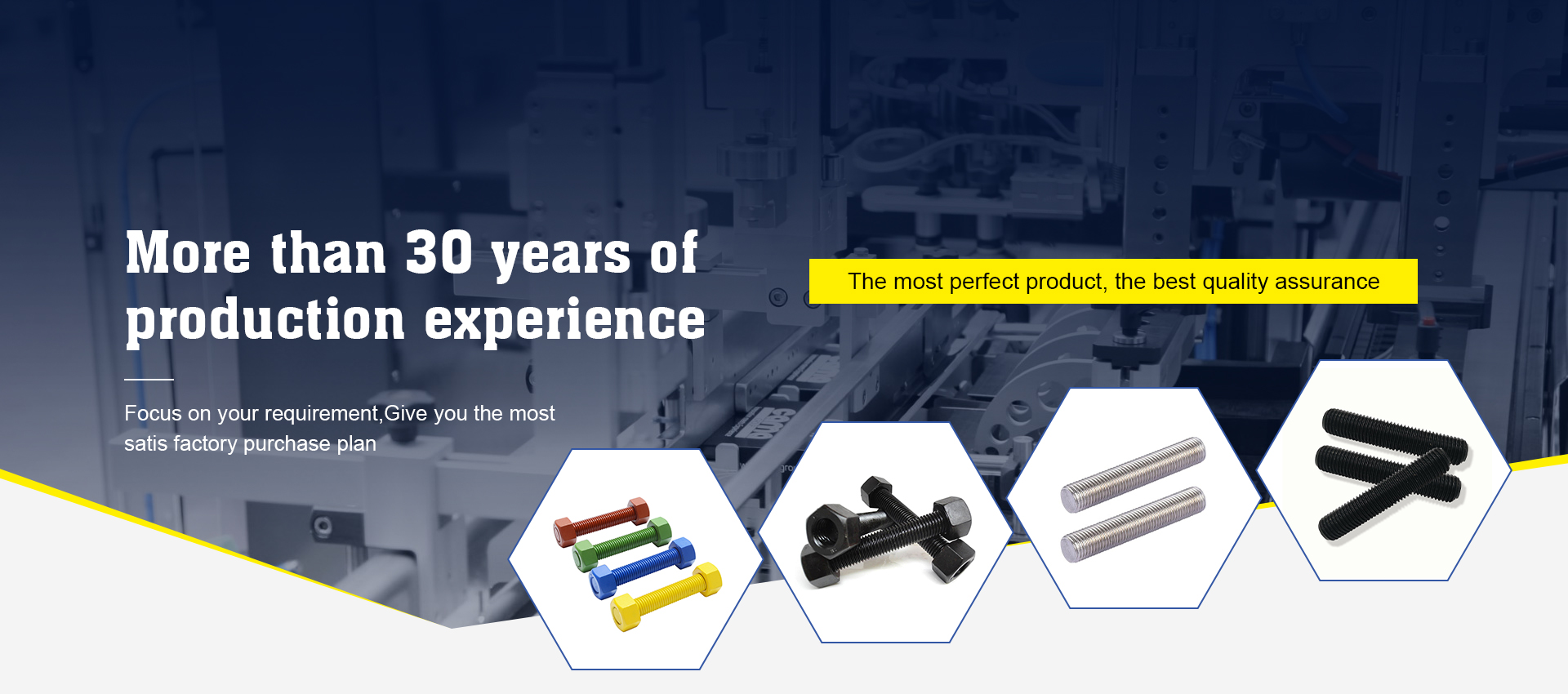
Iron bolts are threaded fasteners primarily utilized in mechanical engineering applications for joining materials. Positioned within the broader fastener industry, they represent a fundamental component in construction, automotive manufacturing, machinery assembly, and infrastructure projects. While often superseded by higher-strength alloy steels in critical applications, iron bolts retain prominence due to their cost-effectiveness, machinability, and adequate performance in non-corrosive environments. Their primary function is to apply clamping force, creating a secure joint resistant to shear and tensile stresses. Core performance characteristics include tensile strength, shear strength, yield strength, and resistance to loosening under vibration. Understanding the limitations of iron – specifically its susceptibility to corrosion – is critical for appropriate application and longevity of the fastener.
Material Science & Manufacturing
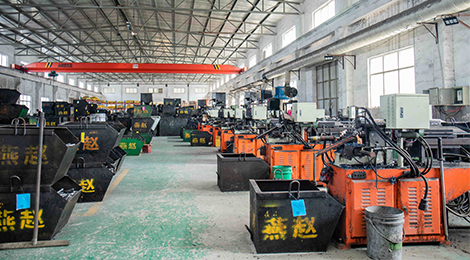
The predominant iron used in bolt manufacturing is carbon steel, typically ranging from low to medium carbon content (0.05% to 0.45%). The carbon content directly impacts hardness and tensile strength, but also increases brittleness. Other alloying elements, like manganese (0.2-1.0%) are added to improve hardenability, and silicon (0.1-0.3%) acts as a deoxidizer during steelmaking. The manufacturing process typically begins with hot forging, where heated iron billets are shaped under pressure into the bolt’s basic form. This process aligns the grain structure, enhancing strength. Following forging, the bolts undergo a machining process – typically cold heading or thread rolling – to create the threads. Cold heading offers superior thread accuracy and surface finish compared to thread cutting, inducing compressive stresses that improve fatigue resistance. Heat treatment, including quenching and tempering, is applied to achieve the desired hardness and tensile properties. Surface treatments like zinc plating or black oxide coating are common to enhance corrosion resistance, although these treatments only offer limited protection compared to stainless steel or specialized coatings. Parameter control is crucial throughout; forging temperature, cooling rates during quenching, and tempering temperatures all significantly impact the final mechanical properties. Improper heat treatment can lead to brittle fractures or insufficient strength.
Performance & Engineering
The performance of iron bolts is governed by several engineering principles. Force analysis centers on tensile loading, shear loading, and combined stresses. Tensile strength, typically in the range of 400-600 MPa for common iron bolts, defines the maximum tensile stress the bolt can withstand before fracture. Shear strength, generally 50-75% of tensile strength, determines its resistance to forces acting parallel to the bolt axis. Preload, the initial clamping force applied to the bolt during tightening, is critical for preventing joint separation and fatigue failure. Environmental resistance is a significant concern; iron is susceptible to corrosion in humid environments, particularly in the presence of chlorides. This corrosion weakens the bolt and can lead to joint failure. Coating selection and material compatibility are paramount. Compliance requirements are dictated by standards such as ISO 898-1 and ASTM A307, which specify mechanical properties, dimensions, and testing procedures. Functional implementation requires careful consideration of bolt grade, size, and the required preload torque. A proper torque application ensures adequate clamping force without exceeding the bolt’s yield strength, avoiding plastic deformation and potential failure. The geometry of the threads and the bolt head also impact performance, affecting stress concentration points and tightening accessibility.
Technical Specifications
| Grade | Tensile Strength (MPa) | Yield Strength (MPa) | Hardness (Brinell) |
|---|---|---|---|
| SAE Grade 2 | 400-570 | 240-360 | 120-180 |
| SAE Grade 5 | 600-700 | 360-510 | 190-250 |
| ASTM A307 Grade A | 400-600 | 250-400 | - |
| ASTM A307 Grade B | 600-700 | 360-550 | - |
| ISO 8.8 | 800 | 600 | 240-330 |
| ISO 4.6 | 400 | 240 | 120-180 |
Failure Mode & Maintenance
Iron bolts are susceptible to several failure modes. Fatigue cracking, often initiated at stress concentration points (e.g., thread roots, bolt head), occurs due to repeated cyclical loading. Corrosion is a major contributor to fatigue failure, accelerating crack initiation and propagation. Hydrogen embrittlement can occur in high-strength iron bolts exposed to corrosive environments, reducing ductility and increasing the risk of brittle fracture. Shear failure can occur if the applied shear stress exceeds the bolt’s shear strength. Thread stripping, resulting from insufficient preload or excessive shear forces, compromises the joint integrity. Creep, a time-dependent deformation under constant stress, can lead to loosening over time, particularly at elevated temperatures. Maintenance involves regular inspection for signs of corrosion, damage to threads, or deformation of the bolt head. Applying a corrosion inhibitor, such as a zinc-rich coating or a specialized lubricant, can mitigate corrosion. Retorquing bolts periodically ensures adequate preload is maintained. If corrosion is severe, bolts should be replaced. Proper lubrication during installation reduces friction and ensures accurate preload. Selecting appropriate bolt grade and size for the application minimizes the risk of failure. Replacement should follow documented torque specifications and utilize calibrated torque wrenches.
Industry FAQ
Q: What is the primary difference between a Grade 2 and Grade 5 iron bolt in terms of practical application?
A: A Grade 5 bolt offers significantly higher tensile and yield strength compared to a Grade 2 bolt. This makes Grade 5 bolts suitable for applications involving higher loads or more dynamic stress, such as engine components or structural connections. Grade 2 bolts are generally used in less demanding applications like furniture assembly or non-critical fixtures where cost is a primary concern.
Q: How does corrosion affect the long-term performance of an iron bolt, and what mitigation strategies are effective?
A: Corrosion weakens the iron bolt material, reducing its cross-sectional area and tensile strength, and promoting fatigue cracking. Mitigation strategies include applying protective coatings (zinc plating, black oxide), using corrosion inhibitors, employing stainless steel bolts in corrosive environments, and ensuring proper joint sealing to prevent moisture ingress.
Q: What is the importance of preload when tightening an iron bolt, and how is it accurately achieved?
A: Preload creates clamping force that prevents joint separation and fatigue failure. It also helps distribute the load across the joint surfaces. Accurate preload is achieved using calibrated torque wrenches and following manufacturer’s specified torque values. Incorrect torque can lead to either insufficient clamping force (loosening) or bolt yielding/fracture.
Q: What are the key considerations when selecting an iron bolt for an outdoor application exposed to the elements?
A: For outdoor applications, corrosion resistance is paramount. Consider using bolts with thicker protective coatings, stainless steel alternatives, or employing corrosion inhibitors. Regular inspection and maintenance are also crucial. Ensure the coating is not damaged during installation. Drainage should be considered in the joint design to prevent water accumulation.
Q: Can an iron bolt be reused after being disassembled, and what checks should be performed before reinstallation?
A: Iron bolts can be reused, but only after a thorough inspection. Check for stripped threads, corrosion, cracks, or deformation. If any damage is detected, the bolt should be replaced. Re-apply lubricant and tighten to the correct torque specification. It’s best practice to replace bolts that have been subjected to significant stress or corrosive environments, even if they appear undamaged.
Conclusion
Iron bolts remain a vital fastening element across numerous industries, offering a cost-effective solution for many applications. However, their limitations – particularly susceptibility to corrosion and relatively lower strength compared to alloy steels – must be carefully considered. Proper material selection, manufacturing control, surface treatment, and diligent maintenance are essential for ensuring long-term reliability and preventing premature failure.
Future development may focus on advanced coating technologies to enhance corrosion resistance and the use of higher-strength iron alloys with improved ductility. A holistic approach considering the entire joint design, including bolt grade, preload, and environmental factors, will remain crucial for maximizing the performance and lifespan of iron bolt connections.