
Introduction
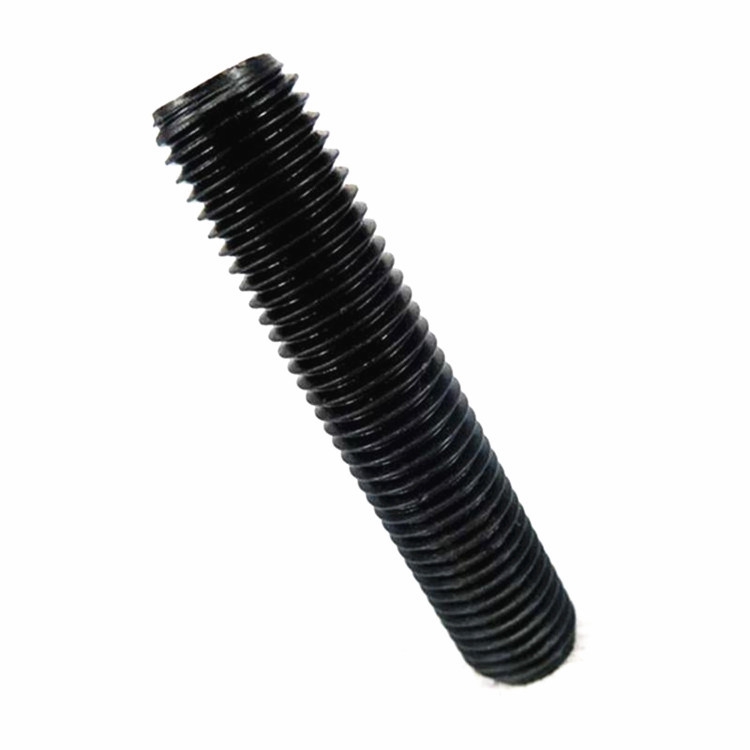
Galvanized bolts and nuts represent a critical fastening solution across numerous industrial sectors, primarily employed to resist corrosive environments. Galvanization, typically utilizing zinc coating, provides sacrificial protection to the underlying steel, preventing rust and degradation. These fasteners are integral to structural integrity in applications ranging from construction and infrastructure to automotive and renewable energy. Their technical positioning within the supply chain places them as essential components sourced from specialized fastener manufacturers and distributed through industrial supply networks. Core performance characteristics center around tensile strength, yield strength, corrosion resistance (measured through salt spray testing), and adherence to dimensional standards like ISO and ASTM. A key industry pain point revolves around inconsistent galvanization thickness leading to localized corrosion failure, and the potential for hydrogen embrittlement during the galvanizing process, impacting bolt ductility and long-term reliability.
Material Science & Manufacturing
The primary material for galvanized bolts and nuts is carbon steel, typically medium carbon steel (e.g., SAE 1045, 10B21) chosen for its balance of strength and machinability. Raw material composition must adhere to stringent standards regarding chemical purity and mechanical properties. The galvanization process most commonly employed is hot-dip galvanizing. This involves immersing cleaned steel components in a molten zinc bath (typically 98% pure zinc) at temperatures around 450°C (842°F). The zinc metallurgically bonds with the steel, forming a series of zinc-iron alloy layers followed by an outer layer of pure zinc. Key parameters in this process are steel surface preparation (degreasing, pickling, fluxing), bath temperature control, immersion time, and cooling rate. Variations include electrogalvanizing, offering thinner, more uniform coatings, and zinc-nickel alloy plating, providing enhanced corrosion resistance. Manufacturing of the bolt/nut itself involves cold forming (heading) to shape the component, followed by thread rolling. Proper die geometry and lubrication are critical to avoid stress concentrations and ensure thread accuracy. Post-galvanization, quality control checks include coating thickness measurement (using magnetic or eddy current methods), visual inspection for defects (non-uniformity, bare spots), and potentially hydrogen embrittlement testing.
Performance & Engineering
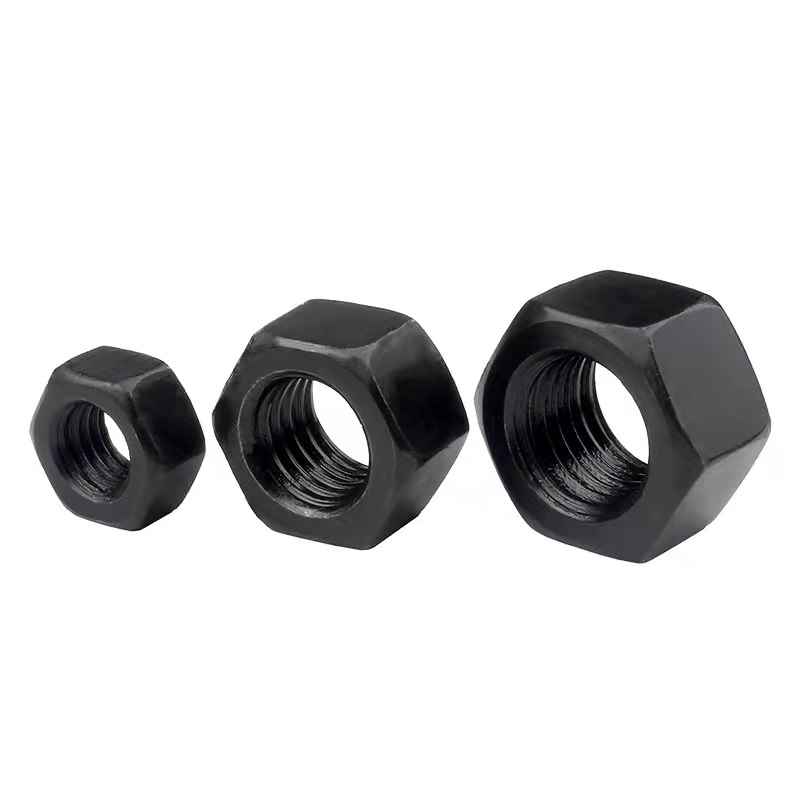
The performance of galvanized bolts and nuts is dictated by several engineering considerations. Tensile strength, yield strength, and elongation are fundamental mechanical properties determined through standardized testing (ASTM A307, A325, A570). Corrosion resistance is quantified by salt spray testing (ASTM B117), measuring time to first signs of corrosion. The effectiveness of galvanization relies on the coating's ability to provide barrier protection and cathodic protection. Barrier protection physically isolates the steel from the corrosive environment. Cathodic protection occurs because zinc is more electronegative than steel; therefore, zinc corrodes preferentially, protecting the steel. Hydrogen embrittlement remains a significant concern, particularly with high-strength steels. Hydrogen atoms, generated during galvanizing, can diffuse into the steel, reducing its ductility and increasing its susceptibility to cracking. Baking (hydrogen embrittlement relief) is often employed as a post-galvanization process to mitigate this risk. Environmental resistance also involves consideration of temperature extremes. While galvanizing provides good protection in most environments, prolonged exposure to high temperatures can accelerate zinc evaporation and reduce long-term effectiveness. Compliance requirements vary based on the application; for example, structures subject to seismic activity require fasteners meeting specific ductility and fatigue resistance standards. Force analysis involving shear and tensile loads is essential in determining appropriate bolt size and grade for a given application.
Technical Specifications
| Property | Grade 5 (SAE 1045) | Grade 8 (SAE 4140) | Coating Thickness (Typical) | |
|---|---|---|---|---|
| Tensile Strength (MPa) | 483 | 690 | 50-75 μm (Hot-Dip) | |
| Yield Strength (MPa) | 330 | 540 | 25-50 μm (Electrogalvanized) | |
| Elongation (%) | 18 | 15 | Hydrogen Embrittlement Resistance | Baking per ASTM A871 |
| Hardness (Rockwell C) | 30-35 | 33-39 | Salt Spray Resistance (Hours to White Rust) | > 500 (Hot-Dip) |
| Thread Standards | UNC/UNF | UNC/UNF | Coating Uniformity | +/- 10% |
| Corrosion Rate (mm/year) | 0.01-0.03 (Depending on environment) | 0.01-0.03 (Depending on environment) | Zinc Purity | 98% minimum |
Failure Mode & Maintenance
Galvanized bolts and nuts are susceptible to several failure modes. Corrosion, despite the protective coating, is the most common, often initiating at coating defects (scratches, holidays) or at the bolt/nut interface. Crevice corrosion can occur in confined spaces where moisture and chlorides accumulate. Hydrogen embrittlement, as previously discussed, can lead to brittle fracture, particularly under dynamic loading. Fatigue cracking can occur in applications involving cyclic loading, exacerbated by stress concentrations at thread roots or bolt head. Thread stripping can occur due to over-tightening or insufficient thread engagement. Galvanic corrosion can occur when galvanized fasteners are in contact with dissimilar metals in the presence of an electrolyte. Maintenance strategies include regular inspection for corrosion, particularly in harsh environments. Re-tightening bolts to specified torque values prevents loosening and reduces stress concentrations. Applying corrosion inhibitors or protective coatings (e.g., zinc-rich paints) to damaged areas can extend service life. For critical applications, periodic bolt replacement is recommended based on inspection results and expected service life. Avoid using incompatible lubricants during installation that could compromise the galvanization. Proper storage in a dry environment protects against pre-emptive corrosion.
Industry FAQ
Q: What is the primary difference between hot-dip galvanizing and electrogalvanizing in terms of corrosion protection?
A: Hot-dip galvanizing provides a thicker coating with superior corrosion resistance due to the diffusion of zinc into the steel substrate, creating a metallurgical bond. Electrogalvanizing offers a thinner, more uniform coating but relies primarily on barrier protection and generally provides less long-term corrosion resistance. Hot-dip is preferred for severe environments, while electrogalvanizing may be suitable for less demanding applications where a smoother finish is required.
Q: How can hydrogen embrittlement be effectively mitigated in high-strength galvanized bolts?
A: The most common method is baking (hydrogen embrittlement relief) immediately after galvanizing, typically at temperatures between 180°C and 230°C for a specified duration. This process drives out the absorbed hydrogen. Proper surface preparation and control of the galvanizing process to minimize hydrogen generation are also crucial.
Q: What torque values should be used when tightening galvanized bolts, and how do they differ from non-coated bolts?
A: Torque values for galvanized bolts are generally lower than those for non-coated bolts due to the lubricity of the zinc coating. Consult fastener manufacturers' torque charts for specific recommendations based on bolt size, grade, and coating type. Using a calibrated torque wrench is essential to avoid over-tightening and thread stripping.
Q: What are the key considerations when selecting galvanized fasteners for use in marine environments?
A: In marine environments, select fasteners with a thick, uniform galvanization coating (hot-dip galvanizing is preferred). Consider using stainless steel fasteners as an alternative for even greater corrosion resistance. Regularly inspect fasteners for corrosion and replace them as needed. Avoid contact with dissimilar metals to prevent galvanic corrosion.
Q: How does the choice of steel grade impact the corrosion performance of a galvanized bolt?
A: Higher strength steel grades generally have a lower resistance to hydrogen embrittlement. Therefore, more stringent control of the galvanizing process and post-galvanization baking are critical for high-strength bolts. The base steel’s alloy content can also impact corrosion resistance, with certain alloys providing enhanced protection even before galvanization.
Conclusion
Galvanized bolts and nuts remain a cornerstone of fastening technology, offering a cost-effective and reliable solution for corrosion protection in a wide array of applications. The selection of the appropriate galvanization method, steel grade, and installation procedures are paramount to ensuring long-term performance and preventing premature failure. Understanding the underlying material science, manufacturing processes, and potential failure modes is crucial for engineers and procurement professionals involved in critical infrastructure and industrial projects.
Future advancements in coatings technology, such as zinc-nickel alloys and organic coatings incorporating corrosion inhibitors, promise to further enhance the durability and longevity of galvanized fasteners. Continued research into hydrogen embrittlement mitigation strategies and non-destructive testing methods will also play a vital role in improving the reliability of these essential components. Properly specifying and maintaining galvanized fasteners represents a long-term investment in structural integrity and operational safety.