
Introduction
Flywheel to torque converter bolts are critical fastening components within the powertrain system of vehicles, primarily those utilizing automatic transmissions. Their function is to securely connect the flywheel – a rotating mechanical device that smooths power delivery – to the torque converter, which transfers engine power to the transmission. These bolts are subjected to significant cyclical loading due to engine combustion, torque fluctuations, and rotational inertia. Proper specification, installation torque, and maintenance of these bolts are paramount to prevent catastrophic powertrain failure. This guide details the material science, manufacturing processes, performance considerations, failure modes, and maintenance practices related to flywheel to torque converter bolts, addressing key concerns within the automotive manufacturing and maintenance sectors. A primary industry pain point is premature bolt failure leading to unscheduled downtime and expensive transmission repairs. The selection of appropriate bolt grade and the adherence to precise torque specifications are crucial in mitigating this risk. Furthermore, understanding the environmental factors impacting bolt performance, such as temperature cycling and corrosive environments, is vital for long-term reliability.
Material Science & Manufacturing
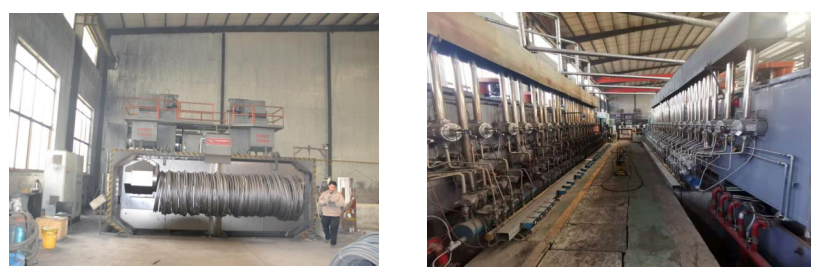
Flywheel to torque converter bolts are predominantly manufactured from alloy steels, specifically grades 8, 8.8, and 10.9, conforming to SAE J429 or equivalent ISO standards. Grade 8 bolts typically utilize medium carbon steels (e.g., 4140) heat treated for high tensile strength. Grade 8.8 bolts employ higher alloy content, providing enhanced strength and ductility, commonly utilizing alloys like 35CrMo4. Grade 10.9 bolts offer the highest strength, utilizing alloys such as 42CrMo4, and are often quenched and tempered for superior mechanical properties. The raw material undergoes rigorous testing for chemical composition, ensuring adherence to specified alloy percentages. Manufacturing processes include cold forging or hot forging to create the bolt shape, followed by thread rolling, which imparts compressive residual stresses that enhance fatigue resistance. Heat treatment is a critical step, involving austenitizing, quenching, and tempering, carefully controlled to achieve the desired hardness and toughness. Surface treatments, such as phosphate coating or zinc plating, are applied to provide corrosion resistance. Key parameter control during manufacturing includes precise control of forging temperature, quenching medium, tempering temperature, and coating thickness. Hydrogen embrittlement during electroplating is a potential concern, mitigated through baking processes post-coating to drive out absorbed hydrogen. Improper heat treatment or inadequate surface preparation can significantly compromise bolt performance and lead to premature failure.
Performance & Engineering
The performance of flywheel to torque converter bolts is dictated by several engineering factors, primarily tensile strength, shear strength, fatigue resistance, and torsional strength. Tensile strength, typically ranging from 150 ksi to 200 ksi depending on the grade, defines the bolt’s resistance to axial pull. Shear strength, approximately 75% of tensile strength, governs the bolt’s resistance to transverse forces. However, the most critical performance characteristic is fatigue resistance, as these bolts are subjected to millions of cyclical loading events during vehicle operation. Fatigue life is significantly impacted by stress concentration at the thread roots, necessitating precise thread rolling and surface finishing. Finite element analysis (FEA) is frequently employed to optimize bolt geometry and identify potential stress hotspots. Torsional strength is less critical in this application compared to axial and shear loads but remains a consideration, particularly during initial engine start-up. Environmental resistance, particularly to corrosion and temperature extremes, is also crucial. Temperature cycling induces thermal stresses, potentially accelerating fatigue crack initiation. Exposure to road salts and other corrosive agents can lead to pitting corrosion, reducing bolt cross-section and preload. Compliance with industry standards like SAE J1926 (Torque Converter Bolts) dictates specific performance requirements and testing procedures. Preload, achieved through controlled torque application, is paramount. Insufficient preload leads to loosening and potential fatigue failure. Excessive preload can result in bolt stretching or stripping of threads. Accurate torque wrenches and calibrated procedures are therefore essential.
Technical Specifications
| Bolt Grade | Tensile Strength (ksi) | Yield Strength (ksi) | Hardness (HRC) | Minimum Preload (lb-ft) | Typical Diameter (in) |
|---|---|---|---|---|---|
| 8 | 150 | 120 | 30-34 | 75 | 7/16 |
| 8.8 | 165 | 135 | 33-37 | 90 | 7/16 - 1/2 |
| 10.9 | 190 | 160 | 37-41 | 110 | 1/2 - 9/16 |
| Coating | N/A | N/A | N/A | Corrosion Resistance | N/A |
| Material | 4140 (Grade 8) | 35CrMo4 (Grade 8.8) | 42CrMo4 (Grade 10.9) | Alloy Steel | N/A |
| Torque Specification (Typical) | 45-65 lb-ft | 60-85 lb-ft | 80-120 lb-ft | Dependent on Application | N/A |
Failure Mode & Maintenance
Common failure modes for flywheel to torque converter bolts include fatigue cracking, thread stripping, corrosion-induced failure, and loosening due to vibration. Fatigue cracking typically initiates at thread roots or under the bolt head, propagating over time under cyclical loading. Thread stripping occurs when the bolt is over-torqued or subjected to excessive shear stress. Corrosion, particularly pitting corrosion, weakens the bolt cross-section, reducing its load-carrying capacity. Loosening can result from improper installation torque, vibration, or thermal cycling. Failure analysis often involves metallurgical examination to identify crack initiation sites and determine the root cause of failure. Preventative maintenance includes periodic torque checks, particularly after the first 1000 miles of operation and during routine service intervals. Visual inspection for signs of corrosion or thread damage is crucial. Damaged bolts should be replaced immediately. Proper lubrication of bolt threads during installation reduces friction and ensures accurate torque application. Using the correct torque wrench and following the manufacturer's recommended torque specifications are critical. If corrosion is present, the affected bolts should be replaced, and the surrounding area cleaned and treated with a corrosion inhibitor. Consideration should be given to using corrosion-resistant coatings or bolts in environments prone to corrosion. Avoidance of impact wrenches for final tightening is recommended, as they can induce stress concentrations and compromise bolt preload.
Industry FAQ
Q: What is the impact of using an impact wrench for final tightening of these bolts?
A: Using an impact wrench for final tightening is strongly discouraged. Impact wrenches deliver torque in pulses, which can lead to inconsistent preload and induce significant stress concentrations within the bolt. This drastically reduces fatigue life and increases the risk of premature failure. Precise torque application using a calibrated torque wrench is essential to achieve the correct clamping force and ensure long-term reliability.
Q: What are the signs that a flywheel to torque converter bolt is failing?
A: Common signs of impending failure include unusual noises emanating from the transmission area (clicking, rattling), vibration during acceleration, and difficulty shifting gears. Visual inspection may reveal signs of corrosion, thread damage, or elongation of the bolt shank. Any of these symptoms should prompt immediate inspection and potential bolt replacement.
Q: How important is the selection of the correct bolt grade for this application?
A: Bolt grade selection is critically important. Using a bolt with insufficient strength can lead to catastrophic failure under the high cyclical loads experienced in this application. Always adhere to the vehicle manufacturer's specifications regarding bolt grade and material. Upgrading to a higher grade bolt is generally acceptable, but downgrading is never recommended.
Q: What type of corrosion protection is most effective for these bolts?
A: Phosphate coating and zinc plating are common and effective corrosion protection methods. However, for applications exposed to harsh environments (e.g., coastal regions, areas with heavy road salt usage), consider bolts with more robust corrosion resistance, such as those with ceramic coatings or made from stainless steel alloys. Regularly inspecting and applying corrosion inhibitors to the surrounding area is also crucial.
Q: What is the recommended torque re-check interval for these bolts?
A: A torque re-check is recommended after the first 1000 miles of operation to account for initial settling and any potential loosening. Subsequent re-checks should be performed during routine service intervals, typically every 30,000 to 50,000 miles, or as recommended by the vehicle manufacturer. Always use a calibrated torque wrench and adhere to the specified torque values.
Conclusion
Flywheel to torque converter bolts are essential components in vehicle powertrains, demanding precise material selection, manufacturing control, and installation procedures. Their performance is critically dependent on tensile strength, fatigue resistance, and consistent preload, requiring adherence to industry standards and manufacturer specifications. Understanding the potential failure modes—fatigue cracking, thread stripping, and corrosion—is paramount for preventative maintenance and long-term reliability.
Continued advancements in materials science and manufacturing processes will likely lead to the development of even more robust and durable flywheel to torque converter bolts. Furthermore, the integration of advanced monitoring technologies, such as strain gauges and wireless sensors, may enable real-time assessment of bolt preload and fatigue life, allowing for proactive maintenance and minimizing the risk of catastrophic failure. Maintaining a focus on proper installation, regular inspection, and timely replacement remains the cornerstone of ensuring powertrain reliability.