
Introduction
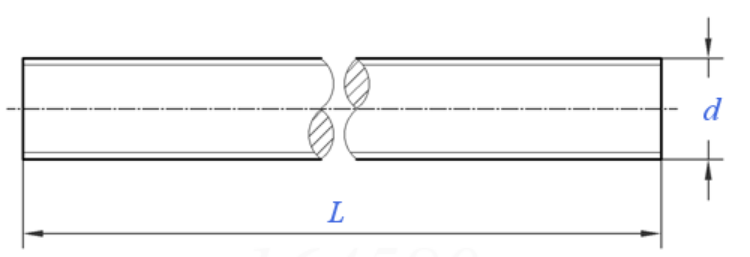
Diving board bolts are specialized fasteners critical to the structural integrity and safety of diving boards in swimming pools, aquatic centers, and competitive diving facilities. Unlike general-purpose bolts, these fasteners are engineered to withstand the highly dynamic and cyclical loading imparted by divers, ranging from minor bounces to substantial impacts. Their function extends beyond simple assembly; they are integral components in preventing catastrophic failure of the diving board system. This guide provides a comprehensive technical overview of diving board bolts, encompassing material science, manufacturing processes, performance characteristics, failure modes, maintenance protocols, and relevant industry standards. The core pain point within the industry revolves around ensuring long-term corrosion resistance, maintaining consistent clamping force under repeated stress, and adhering to strict safety regulations to mitigate potential risks of board failure and associated injuries.
Material Science & Manufacturing
Diving board bolts are predominantly manufactured from high-strength stainless steel alloys, specifically austenitic stainless steels like 316 and 316L. The selection of these materials is driven by their exceptional corrosion resistance, particularly in chlorinated water environments common in swimming pools. 316 stainless steel contains molybdenum, enhancing its resistance to pitting corrosion. 316L offers even greater corrosion resistance due to its lower carbon content, minimizing carbide precipitation during welding, which can compromise corrosion protection.
The manufacturing process typically begins with hot forging or cold heading of stainless steel bar stock. Forging provides superior grain structure and strength, while cold heading is more cost-effective for high-volume production. Following forming, the bolts undergo precision machining to achieve the required dimensions and tolerances. Critical parameters during machining include thread pitch, diameter, and length. Thread rolling is often employed to create threads, enhancing their fatigue strength compared to cut threads. Heat treatment, including solution annealing and quenching, is crucial for achieving the desired mechanical properties – typically a tensile strength exceeding 800 MPa and a yield strength exceeding 500 MPa. Surface finishing, such as passivation, further enhances corrosion resistance by forming a protective oxide layer. Quality control measures at each stage, including non-destructive testing (NDT) like dye penetrant inspection and ultrasonic testing, ensure the absence of internal flaws or surface defects.
Performance & Engineering
The performance of diving board bolts is governed by a complex interplay of static and dynamic forces. Static load includes the weight of the board itself and any stationary load applied. Dynamic load arises from the impact of divers, which is transient and varies significantly based on diver weight, height, and diving technique. A critical engineering consideration is fatigue resistance. Diving board bolts are subjected to millions of cycles of stress during their service life, making fatigue failure a primary concern.
Force analysis involves calculating shear stress and tensile stress on the bolt. Shear stress is prominent in the bolt threads resisting the board’s movement, while tensile stress occurs due to the clamping force applied. Preload, or the initial tension applied to the bolt during tightening, is paramount. Adequate preload ensures a sufficient clamping force to prevent joint separation and reduces stress fluctuations, extending fatigue life. Environmental resistance, specifically to chlorine and salt water, is also critical. Galvanic corrosion between dissimilar metals must be avoided by using compatible materials for bolts, washers, and the diving board mounting brackets. Compliance requirements, such as those stipulated by the American Society for Testing and Materials (ASTM) and relevant building codes, dictate minimum material properties, manufacturing standards, and installation procedures. Proper installation, including correct torque application, is crucial for achieving optimal performance and ensuring safety.
Technical Specifications
| Material Grade | Tensile Strength (MPa) | Yield Strength (MPa) | Corrosion Resistance (Salt Spray Test - hours) |
|---|---|---|---|
| 316 Stainless Steel | 800-900 | 500-600 | 1000+ |
| 316L Stainless Steel | 750-850 | 450-550 | 1500+ |
| ASTM A193 Grade B8 | 1000-1100 | 700-800 | 500+ (with coating) |
| Diameter (mm) | 12 | 16 | 20 |
| Thread Pitch (mm) | 1.75 | 2.0 | 2.5 |
| Minimum Preload (Nm) | 50 | 80 | 120 |
Failure Mode & Maintenance
Diving board bolts are susceptible to several failure modes. Fatigue cracking, initiated by cyclical loading, is a primary concern, often originating at stress concentrators such as thread roots or under bolt head. Pitting corrosion, caused by chloride attack in chlorinated water, can create localized weaknesses and accelerate fatigue failure. Galvanic corrosion, if dissimilar metals are used in the assembly, can lead to accelerated corrosion of the less noble metal. Thread stripping can occur if bolts are over-torqued or if the threads are damaged during installation. Creep, or the gradual deformation of the bolt under sustained load, can reduce clamping force over time.
Preventive maintenance is crucial for extending the service life of diving board bolts. Regular inspection (at least annually, and more frequently in high-use facilities) should include visual examination for signs of corrosion, cracking, or thread damage. Torque checks should be performed to ensure proper preload. Cleaning the bolts and surrounding areas to remove chlorine deposits can help mitigate corrosion. If corrosion is detected, the bolts should be replaced immediately. Replacement bolts must meet or exceed the original specifications. Lubrication of the threads with an anti-seize compound compatible with stainless steel can facilitate future removal and prevent galling. Detailed records of inspections, maintenance activities, and bolt replacements should be maintained.
Industry FAQ
Q: What is the acceptable level of corrosion on a diving board bolt?
A: Any visible corrosion, even minor pitting, is unacceptable. Diving board bolts exhibiting any signs of corrosion should be replaced immediately. The risk of accelerated failure due to corrosion outweighs the cost of replacement. The safety of divers is paramount.
Q: What torque value should be applied to a 16mm 316L stainless steel diving board bolt?
A: The appropriate torque value depends on the thread pitch, bolt length, and lubrication. However, a general guideline for a 16mm 316L bolt is between 80-100 Nm. Always consult the diving board manufacturer’s specifications for the precise torque value. Utilizing a calibrated torque wrench is essential.
Q: How often should diving board bolts be inspected?
A: A minimum annual inspection is recommended. Facilities with high diver usage (e.g., competitive diving clubs) should conduct inspections quarterly. Inspections should include visual checks for corrosion, cracks, and thread damage, as well as torque verification.
Q: Can different grades of stainless steel be used together in a diving board assembly?
A: It is strongly discouraged to use dissimilar metals in direct contact. This can lead to galvanic corrosion. If unavoidable, an insulating barrier, such as a plastic washer, should be used to prevent direct contact between the different metals.
Q: What is the impact of using coated bolts versus uncoated stainless steel bolts?
A: Coatings, such as PTFE or ceramic coatings, can provide an additional layer of corrosion protection, especially in highly corrosive environments. However, the coating must be durable and resistant to abrasion. It’s important to ensure the coating doesn't compromise the accurate torque application. Uncoated 316/316L stainless steel is generally sufficient with proper maintenance.
Conclusion
Diving board bolts represent a critical safety component requiring meticulous attention to material selection, manufacturing precision, installation procedures, and ongoing maintenance. The use of high-strength, corrosion-resistant stainless steel alloys, coupled with rigorous quality control measures, is essential for ensuring long-term reliability and preventing catastrophic failure. Understanding the dynamic loading conditions and fatigue characteristics is paramount for proper engineering design.
The industry trend is moving towards more advanced NDT techniques and predictive maintenance strategies, leveraging sensor technology to monitor bolt preload and detect early signs of corrosion or fatigue. Continued research into advanced materials and coatings will further enhance the durability and safety of diving board systems. Adherence to relevant industry standards and best practices remains the cornerstone of responsible diving board maintenance and operation.