
Introduction
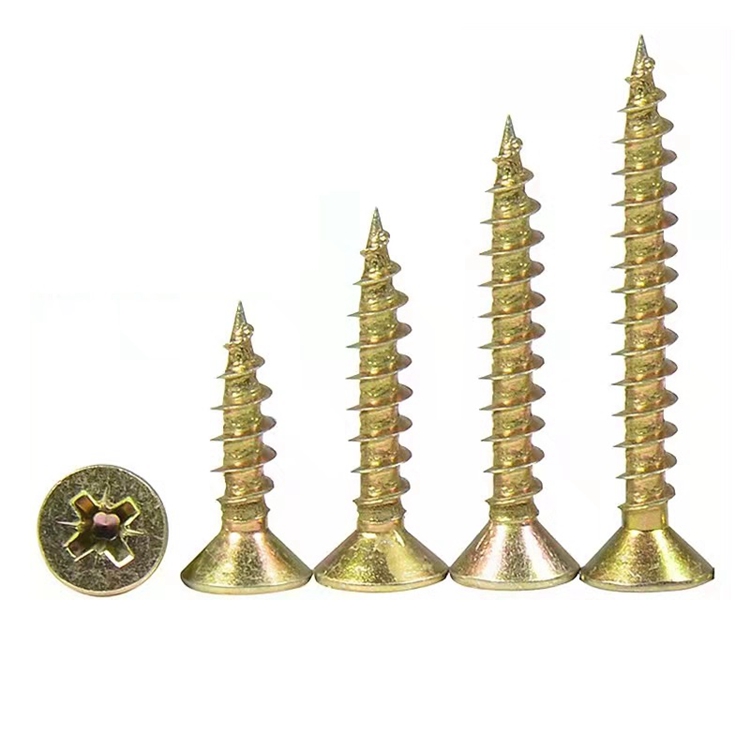
Decorative nuts and bolts represent a specialized segment within the broader fastener industry, positioned between standard industrial fasteners and purely aesthetic components. They are characterized by their deliberately designed surface finishes, shapes, and materials, intended to be visually prominent in an assembly, rather than concealed. Unlike functional fasteners solely evaluated on tensile strength and shear resistance, decorative fasteners prioritize aesthetic appeal alongside acceptable mechanical performance. Their applications span a wide range of industries including automotive (interior trim), furniture, consumer electronics, and architectural hardware. Core performance considerations include corrosion resistance relative to the intended environment, colorfastness, dimensional accuracy to ensure proper fit, and mechanical integrity sufficient to maintain assembly integrity under anticipated loads. The selection of appropriate decorative fasteners is often a crucial element in product branding and perceived quality. Failure to properly specify these components can lead to aesthetic defects (e.g., discoloration, finish wear) or, in critical applications, structural compromise.
Material Science & Manufacturing
Decorative nuts and bolts are fabricated from a diverse range of materials, each influencing both aesthetic properties and mechanical characteristics. Common base materials include carbon steel (low to medium carbon grades for strength and machinability), stainless steel (304, 316 for corrosion resistance), brass (for gold-like appearance and machinability), aluminum (for lightweight applications and anodization potential), and various alloy steels. Surface finishes are critical; common methods include electroplating (nickel, chrome, zinc – often with passivation layers), powder coating (polyester, epoxy, polyurethane for durable color finishes), anodizing (for aluminum, creating a protective oxide layer and allowing for coloration), and physical vapor deposition (PVD) for high-performance coatings like titanium nitride. Manufacturing processes begin with cold heading or hot forging to form the basic shape, followed by machining (turning, milling, drilling) to achieve precise dimensions and thread profiles. Thread rolling is frequently used to create threads without material removal, enhancing thread strength. Parameter control during these processes is paramount. For electroplating, bath composition, current density, and temperature must be meticulously maintained to ensure uniform coating thickness and adhesion. Powder coating requires precise control of electrostatic spray parameters and curing temperatures to achieve the desired finish quality and prevent defects like pinholes or orange peel. Heat treatment processes, like quenching and tempering, are employed to optimize mechanical properties of steel components, but must be carefully controlled to avoid affecting the surface finish. Material compatibility between the base material and coating is crucial; galvanic corrosion can occur if incompatible materials are used in a corrosive environment.
Performance & Engineering
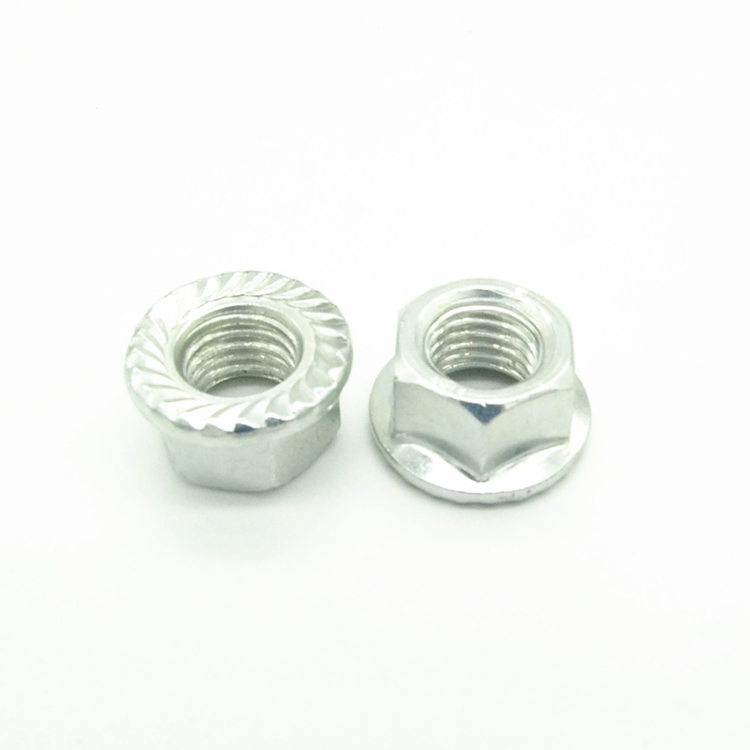
The performance of decorative nuts and bolts is assessed on both mechanical integrity and environmental resistance. While typically subjected to lower loads than structural fasteners, they must still withstand anticipated tensile and shear forces. Force analysis often focuses on clamp load requirements and thread stripping resistance. Tensile strength, yield strength, and elongation are key mechanical properties determined through standardized testing (ASTM A307, ASTM A325, ISO 898-1). Environmental resistance is critical, particularly for exterior applications. Corrosion resistance is evaluated through salt spray testing (ASTM B117) to assess the effectiveness of protective coatings. UV resistance is assessed for powder-coated and painted components, evaluating color fade and coating degradation after prolonged exposure to ultraviolet radiation (ASTM G154). Adhesion testing (ASTM D3359) is used to verify the bond strength between the base material and the coating. Furthermore, consideration must be given to thermal expansion coefficients of different materials within the assembly; mismatched coefficients can lead to stress concentrations and premature failure. Compliance requirements vary by industry. Automotive applications often necessitate adherence to OEM-specific standards for corrosion resistance and material composition (e.g., VDA standards). RoHS and REACH compliance are essential for consumer products, restricting the use of hazardous substances. Dimensional accuracy and thread conformity are governed by international standards like ISO 683 and ISO 965.
Technical Specifications
| Material Grade | Coating Type | Tensile Strength (MPa) | Corrosion Resistance (Salt Spray Hours) |
|---|---|---|---|
| Carbon Steel – Grade 8.8 | Zinc Plating (with Chromate Conversion Coating) | 800 | 72 |
| Stainless Steel – 304 | Passivated | 500 | 1000 |
| Brass – C36000 | Clear Lacquer | 400 | 48 |
| Aluminum – 6061-T6 | Anodized (Clear) | 310 | 80 |
| Alloy Steel – 4140 | Nickel Plating | 900 | 200 |
| Carbon Steel – Grade 5 | Powder Coating (Epoxy) | 600 | 500 |
Failure Mode & Maintenance
Decorative nuts and bolts are susceptible to several failure modes. Corrosion, particularly galvanic corrosion between dissimilar metals, is a primary concern, leading to coating breakdown and eventual component degradation. Fatigue cracking can occur under cyclic loading, especially around stress concentration points like thread roots or sharp corners. Coating defects (e.g., pinholes, scratches) accelerate corrosion and reduce aesthetic appeal. Hydrogen embrittlement can occur during electroplating, reducing ductility and increasing susceptibility to cracking. For powder-coated components, chipping or flaking of the coating due to impact or abrasion is common. Maintenance strategies focus on preventative measures. Regular inspection for signs of corrosion is crucial, particularly in harsh environments. Applying protective coatings (e.g., wax, corrosion inhibitors) can extend service life. Tightening torque should be carefully controlled to avoid overstressing the fastener. For damaged coatings, localized repair using touch-up paints or re-coating may be possible, but requires careful surface preparation to ensure adhesion. In cases of severe corrosion or cracking, component replacement is necessary. Periodic re-application of corrosion inhibitors and cleaning to remove contaminants are also recommended.
Industry FAQ
Q: What is the primary difference between a decorative nut and a standard industrial nut?
A: The primary difference lies in the emphasis on aesthetic appearance versus purely functional performance. Standard industrial nuts prioritize strength and load-bearing capacity, with minimal attention to finish. Decorative nuts prioritize visual appeal through surface finishes, shapes, and colors, while still maintaining adequate mechanical properties for their intended application.
Q: How does the choice of plating affect the long-term durability of a decorative bolt?
A: The type of plating significantly impacts durability. Zinc plating offers good corrosion resistance for relatively low-cost applications. Nickel plating provides better corrosion resistance and a brighter finish. Chrome plating is highly durable and aesthetically pleasing but can be more expensive. The addition of passivation layers (e.g., chromate conversion coating) further enhances corrosion protection. Proper surface preparation before plating is also critical for adhesion and long-term performance.
Q: What are the key considerations when selecting a decorative fastener for an outdoor application?
A: For outdoor applications, corrosion resistance is paramount. Stainless steel (316 grade is preferable for marine environments) is often the best choice. Alternatively, carbon steel with a robust coating system (e.g., hot-dip galvanizing, zinc-nickel plating) can provide adequate protection. UV resistance of any applied coatings must also be considered to prevent fading or degradation. Material compatibility is vital to prevent galvanic corrosion.
Q: How can I prevent hydrogen embrittlement in electroplated fasteners?
A: Hydrogen embrittlement can be mitigated by employing appropriate plating processes, including using inhibitors in the plating bath, controlling pH levels, and implementing a baking (hydrogen removal) process immediately after plating. Selecting a suitable base material and coating combination also plays a role. Avoiding excessive tensile stress during and after plating is crucial.
Q: What standards are relevant for testing the corrosion resistance of decorative fasteners?
A: The most commonly used standard for assessing corrosion resistance is ASTM B117 (Salt Spray Testing). Other relevant standards include ASTM G48 (Accelerated Corrosion Testing) and ISO 9227 (Corrosion Testing in Artificial Atmosphere). The specific standard used will depend on the intended application and customer requirements.
Conclusion
Decorative nuts and bolts represent a complex intersection of material science, manufacturing precision, and aesthetic design. Their selection requires a nuanced understanding of both mechanical performance and environmental resistance, alongside careful consideration of aesthetic requirements. Proper material selection, coating application, and quality control are crucial to ensuring long-term durability and maintaining the desired visual appeal.
As design trends increasingly emphasize form and function, the demand for high-quality decorative fasteners will continue to grow. Advancements in coating technologies, such as PVD and advanced powder coatings, will enable the creation of even more durable and visually striking components. Furthermore, increased focus on sustainability and compliance with environmental regulations will drive the adoption of eco-friendly materials and manufacturing processes.