
Introduction
Cut toilet bolts are critical, yet often overlooked, components in plumbing systems, responsible for securely fastening the toilet bowl to the floor flange. These bolts, typically comprised of a threaded shaft and a flange-engaging element, are designed for single-use installation to ensure a leak-proof and stable connection. Unlike reusable bolts, cut bolts are deliberately designed to be sheared off after tightening, preventing loosening due to vibration and usage. The industry chain involves material suppliers (typically brass, zinc, or stainless steel), bolt manufacturers specializing in cold forming and threading, and distribution networks serving plumbing contractors and retail outlets. Core performance metrics center around shear strength, corrosion resistance, and consistent thread engagement to guarantee long-term fixture stability and prevent water damage. A key pain point in the industry is the prevalence of substandard materials leading to premature failure and costly repairs. Understanding the material science and manufacturing processes is crucial for specifying and selecting appropriate cut toilet bolts for diverse plumbing applications and ensuring compliance with relevant building codes.
Material Science & Manufacturing
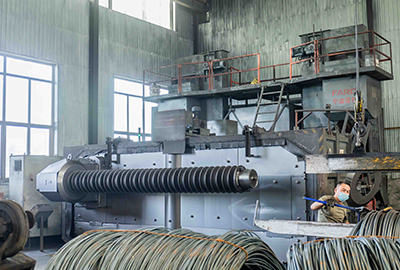
Cut toilet bolts are predominantly manufactured from low carbon steel, brass (typically C36000 free-cutting brass), or zinc alloys. Stainless steel (304 or 316) is utilized in corrosive environments. The selection of material impacts corrosion resistance, shear strength, and cost. Low carbon steel offers high strength but is susceptible to rust if not adequately protected with coatings like zinc plating. Brass provides excellent corrosion resistance and machinability but has lower shear strength than steel. Zinc alloys offer a cost-effective alternative with moderate corrosion resistance. Manufacturing begins with wire drawing to achieve the desired diameter. The wire is then subjected to cold heading, a process where the wire is forced into a die to form the bolt head and flange. Threading is achieved via either rolling or cutting. Rolling is preferred for its superior thread quality and increased fatigue strength. Subsequent processes include cleaning, plating (if applicable), and packaging. Parameter control is vital. Thread pitch, diameter, and length must adhere to strict tolerances to ensure proper engagement with the toilet flange and mounting nut. Shear strength is determined by the material composition and cold working process; inadequate cold working reduces strength. Coating thickness is critical for corrosion protection, and insufficient coating leads to premature failure. Zinc plating requires proper passivation to enhance its durability.
Performance & Engineering
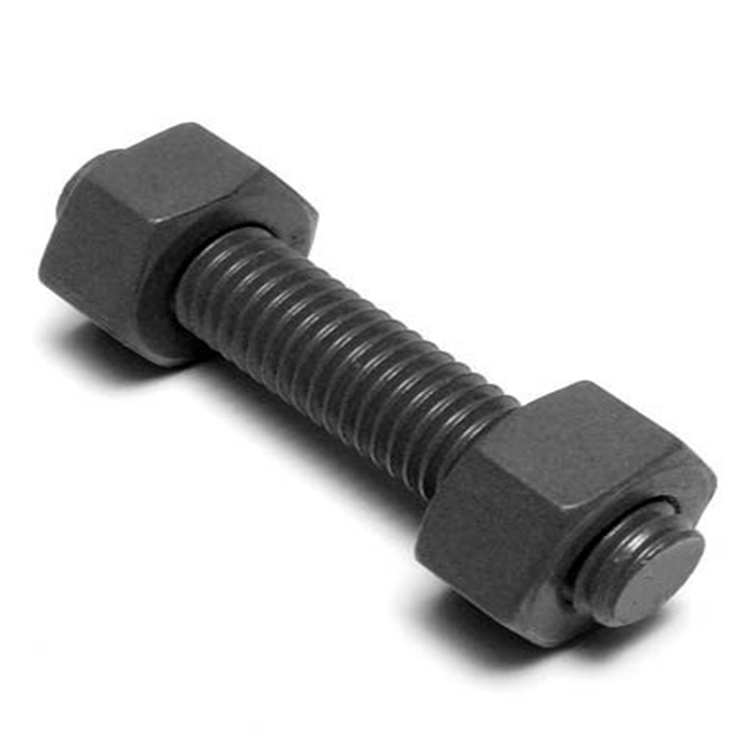
The primary engineering consideration for cut toilet bolts is shear stress. The bolt must withstand the downward force exerted by the toilet bowl, the weight of the user, and potential dynamic loads. Failure occurs when the shear stress exceeds the material's shear strength. The design incorporates a designated shear point – the area where the bolt is intentionally weakened for single-use installation. Force analysis involves calculating the shear force based on toilet bowl weight, user weight, and safety factors. Environmental resistance is crucial, particularly in damp bathroom environments. Corrosion from water, cleaning agents, and humidity can weaken the bolt, leading to failure. Stainless steel offers superior corrosion resistance but at a higher cost. Galvanic corrosion, occurring when dissimilar metals are in contact, can also be a concern. Compliance requirements, such as those outlined in the International Plumbing Code (IPC) and local building codes, dictate minimum shear strength and material specifications. The design of the flange engagement element – whether it's a square, hexagonal, or specialized shape – impacts its ability to resist rotational forces and maintain a secure connection. Proper pre-tensioning is critical; insufficient tightening can lead to loosening, while over-tightening can exceed the shear strength and cause premature failure.
Technical Specifications
| Material | Diameter (in) | Length (in) | Shear Strength (psi) | Coating | Typical Applications |
|---|---|---|---|---|---|
| Low Carbon Steel | 1/4 | 3 | 70,000 | Zinc Plated | Standard Toilet Installation |
| C36000 Brass | 1/4 | 3 | 50,000 | None | Residential Plumbing |
| Zinc Alloy (Zamak) | 1/4 | 3 | 40,000 | Chrome Plated | Cost-Sensitive Installations |
| 304 Stainless Steel | 1/4 | 3 | 90,000 | None | Marine Environments, High Humidity |
| 316 Stainless Steel | 1/4 | 3 | 95,000 | None | Corrosive Chemical Environments |
| Low Carbon Steel | 5/16 | 4 | 85,000 | Zinc Plated | Heavy Duty Applications, Commercial Use |
Failure Mode & Maintenance
Common failure modes for cut toilet bolts include shear failure at the designated break point, corrosion-induced weakening leading to fracture, and stripping of the threads. Shear failure can occur due to exceeding the bolt’s shear strength, typically caused by excessive force during tightening or abnormal loading. Corrosion, particularly in steel bolts lacking adequate coating, results in material degradation and reduced strength. Thread stripping can occur if the mounting nut is over-tightened or if the threads are damaged during installation. Failure analysis often reveals the root cause as material defects, improper installation, or exposure to corrosive environments. Prevention requires selecting appropriate materials for the application, ensuring correct installation torque, and implementing corrosion protection measures. Maintenance of cut toilet bolts is not typically performed as they are designed for single use. However, regular inspection of the visible portion of the bolt (before cutting) can identify signs of corrosion or damage. If a bolt shows signs of deterioration, it should be replaced immediately. Preventative maintenance involves ensuring proper ventilation in the bathroom to reduce humidity and using non-abrasive cleaning agents to avoid damaging the bolt’s coating. Avoid applying excessive force when tightening, and always use a calibrated torque wrench when possible.
Industry FAQ
Q: What is the primary difference between a cut toilet bolt and a standard bolt used for toilet installation?
A: A cut toilet bolt is designed to be intentionally sheared off after tightening, preventing loosening over time. Standard bolts are reusable but prone to loosening due to vibration and usage. The shear point in a cut bolt ensures a permanent, secure connection.
Q: What material offers the best corrosion resistance for cut toilet bolts?
A: 316 Stainless Steel offers the highest corrosion resistance, followed by 304 Stainless Steel and Brass. Zinc-plated steel provides adequate protection in most environments but is susceptible to corrosion in humid or chemically aggressive conditions.
Q: What is the recommended torque specification for tightening a cut toilet bolt?
A: The recommended torque specification varies based on the bolt diameter and material. Generally, a torque of 2-4 ft-lbs is sufficient for a 1/4 inch bolt. Over-tightening can lead to shear failure or stripping of the threads.
Q: How can I prevent galvanic corrosion when using cut toilet bolts in conjunction with other metal components?
A: Use dielectric washers or sleeves to isolate dissimilar metals. Ensure proper grounding of the plumbing system. Selecting compatible materials can also minimize the risk of galvanic corrosion.
Q: What should I do if I encounter a cut toilet bolt that is corroded and difficult to remove?
A: Apply a penetrating oil to the bolt and allow it to soak for several hours. Use a wrench or socket to carefully loosen the bolt. If it remains stuck, use a bolt extractor tool or consult a plumbing professional to avoid damaging the toilet flange.
Conclusion
Cut toilet bolts, despite their seemingly simple design, represent a crucial element in ensuring the long-term integrity of plumbing systems. The selection of appropriate materials, coupled with adherence to proper manufacturing processes and installation techniques, is paramount to preventing premature failure and costly water damage. Understanding the nuances of shear strength, corrosion resistance, and compliance regulations empowers engineers and procurement professionals to make informed decisions and specify high-quality components.
Future developments may focus on innovative materials with enhanced corrosion resistance and increased shear strength, as well as improved manufacturing techniques to reduce production costs and environmental impact. Furthermore, the integration of smart sensors to monitor bolt stress and detect potential failures could revolutionize preventative maintenance practices within the plumbing industry. Continued research and development will be critical in optimizing the performance and reliability of these essential components.