
Introduction
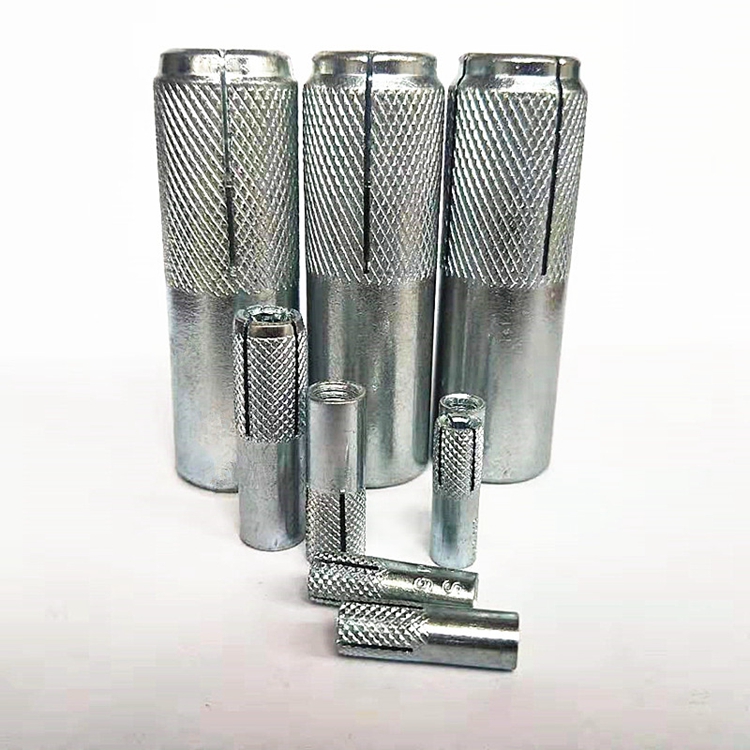
Concrete epoxy anchor bolts represent a critical fastening solution in modern construction and infrastructure. These systems utilize a high-strength epoxy adhesive to bond a threaded rod or rebar into a pre-drilled hole within concrete, providing a robust and reliable connection. Their application spans a wide range of projects including structural repairs, retrofitting, new construction, and the installation of machinery and equipment. Unlike mechanical anchors, epoxy anchors distribute loads over a larger area of the concrete, reducing stress concentrations and increasing load-bearing capacity, particularly in cracked concrete. The performance of these anchors is intrinsically linked to the chemical and mechanical properties of the epoxy formulation, the quality of the hole preparation, and adherence to rigorous installation procedures. A key pain point in the industry is inconsistent installation practices leading to premature failure and potentially catastrophic structural consequences.
Material Science & Manufacturing
The core components of a concrete epoxy anchor bolt system comprise the threaded rod (typically steel, stainless steel, or galvanized steel – ASTM A193, A307, or A36 specifications are common), the epoxy adhesive, and the concrete substrate. The epoxy itself is a thermosetting polymer, typically consisting of a resin and a hardener. Common resin types include bisphenol-A diglycidyl ether methacrylate (BisGMA) and vinyl ester resins. Hardeners are often amine-based, influencing curing speed and final mechanical properties. The quality of the raw materials directly impacts performance. For example, the tensile strength and yield strength of the steel rod (determined through standardized tensile testing – ASTM A370) are critical.
Manufacturing the epoxy adhesive involves precise mixing ratios of resin and hardener, typically achieved through automated dispensing equipment to maintain consistency. Viscosity, measured using Brookfield viscometers, is a key parameter controlled during production. Hole preparation is a crucial manufacturing step in-situ. Drilling must be precise to the specified diameter, and thorough cleaning (using compressed air and brushes – SSPC-SP6 surface preparation standards are often referenced) is essential to remove dust and debris that can inhibit bonding. The substrate’s surface profile, measured using a surface profile gauge, must meet minimum requirements to provide sufficient mechanical keying for the epoxy. Temperature control during epoxy injection and curing is paramount; deviations from recommended ranges (typically 15-30°C) can significantly reduce bond strength. Vacuum degassing may be employed to remove entrapped air bubbles, increasing adhesive density and performance.
Performance & Engineering
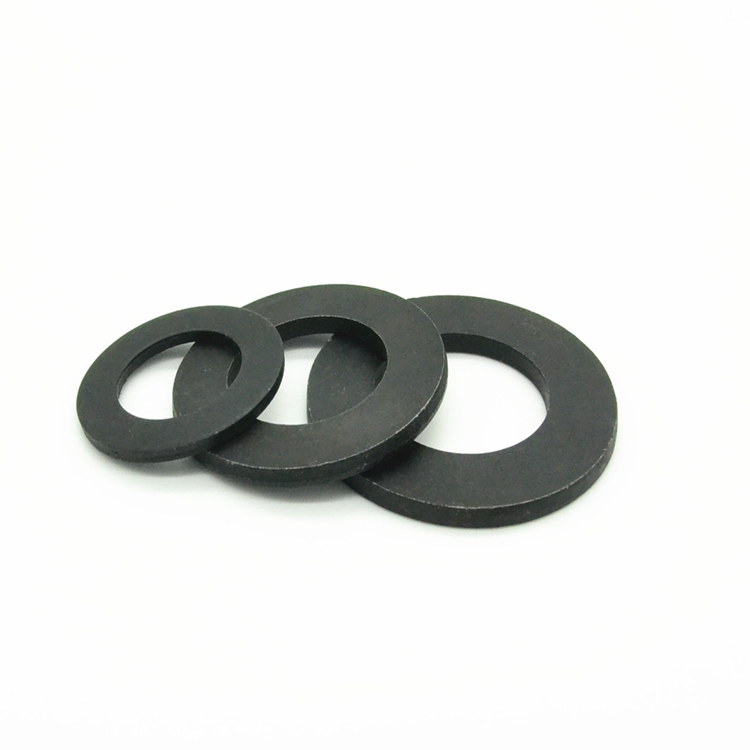
The performance of concrete epoxy anchor bolts is fundamentally governed by the principles of adhesion and friction. The epoxy creates both chemical bonding with the concrete substrate and mechanical interlock due to surface irregularities. Engineering calculations involve assessing tensile and shear forces, considering factors such as concrete compressive strength (ASTM C39), concrete cracking (ACI 318 provisions for cracked concrete), and edge distance. Pull-out resistance is a critical performance characteristic, determined by the bond strength of the epoxy and the embedment depth of the anchor. Fatigue loading is a significant concern in applications subject to cyclical forces; fatigue life is influenced by stress amplitude, epoxy formulation, and installation quality.
Environmental resistance is another key consideration. Exposure to moisture, chemicals, and temperature fluctuations can degrade the epoxy and reduce bond strength. Accelerated aging tests (ASTM D1037) are used to predict long-term performance under various environmental conditions. Corrosion protection of the steel rod is essential, particularly in chloride-rich environments (e.g., coastal regions). Galvanization or stainless steel construction mitigates corrosion risk. Compliance with building codes and industry standards (e.g., ICC-ES reports, European Technical Assessments – ETA) is mandatory to ensure structural integrity and safety. Finite Element Analysis (FEA) is often used to model stress distribution and optimize anchor placement for complex loading scenarios.
Technical Specifications
| Parameter | Unit | Typical Value | Test Standard |
|---|---|---|---|
| Tensile Strength (Epoxy) | MPa | 50-80 | ASTM D638 |
| Shear Strength (Epoxy) | MPa | 30-50 | ASTM D732 |
| Bond Strength (Concrete) | MPa | 20-40 | ACI 318/EN 1992-4 |
| Yield Strength (Steel Rod – Grade 5.8) | MPa | 400 | ASTM A370 |
| Ultimate Tensile Strength (Steel Rod – Grade 5.8) | MPa | 500 | ASTM A370 |
| Operating Temperature Range | °C | -20 to +80 | Manufacturer’s Data Sheet |
Failure Mode & Maintenance
Common failure modes for concrete epoxy anchor bolts include adhesive failure (where the epoxy detaches from the concrete or steel), concrete cone failure (where the concrete around the anchor breaks away), steel failure (yielding or fracture of the threaded rod), and corrosion-induced failure. Adhesive failure can result from inadequate surface preparation, improper mixing ratios, contamination, or excessive loading. Concrete cone failure occurs when the concrete’s compressive strength is insufficient to withstand the applied load. Fatigue cracking can initiate at stress concentrations around the anchor or within the epoxy itself. Delamination can occur due to moisture ingress or thermal stress. Oxidation of the steel rod, if insufficiently protected, can lead to a gradual reduction in load-carrying capacity.
Preventative maintenance involves periodic inspections to identify signs of corrosion, cracking, or movement. Visual inspections should focus on the anchor head, the surrounding concrete, and any exposed steel. Non-destructive testing methods, such as ultrasonic testing, can be used to detect internal defects within the epoxy bond. If corrosion is detected, localized repairs may be possible, involving cleaning, application of a corrosion inhibitor, and sealing. For significant deterioration, complete anchor replacement is often necessary. Regular monitoring of environmental conditions and adherence to recommended maintenance schedules are crucial for ensuring long-term reliability. Proper documentation of installation details and inspection findings is essential for effective lifecycle management.
Industry FAQ
Q: What is the impact of concrete moisture content on epoxy anchor performance?
A: High moisture content in concrete can significantly reduce epoxy bond strength. Moisture can interfere with the chemical bonding process and create voids within the adhesive. Concrete should be relatively dry before anchor installation; moisture content should be verified using a moisture meter and comply with epoxy manufacturer's specifications (typically below 4%).
Q: Can epoxy anchors be used in cracked concrete?
A: Yes, but specific epoxy formulations are required. Anchors designed for use in cracked concrete (designated as Category 1 anchors per ACI 318) incorporate higher ductility and bond strength to accommodate concrete movement. The design calculations must account for crack width and spacing.
Q: What are the critical steps for ensuring proper hole cleaning?
A: Thorough hole cleaning is paramount. This involves removing all dust and debris generated during drilling using compressed air, brushes, and, if necessary, a vacuum. Avoid using water for cleaning as it can leave residual moisture. Verify the surface is free of contaminants and meets the required surface profile.
Q: How does temperature affect the epoxy curing process?
A: Epoxy curing is temperature-dependent. Lower temperatures slow down the curing process, increasing installation time and potentially reducing final bond strength. Higher temperatures can accelerate curing but may also create internal stresses. Maintain temperature within the manufacturer’s recommended range throughout the curing period.
Q: What is the role of edge distance in anchor design?
A: Edge distance refers to the distance from the anchor to the edge of the concrete. Insufficient edge distance can lead to concrete breakout failure. Minimum edge distance requirements are specified in building codes (ACI 318/EN 1992-4) and must be adhered to during anchor placement.
Conclusion
Concrete epoxy anchor bolts are a versatile and reliable fastening solution, but their performance is highly sensitive to material properties, manufacturing processes, installation procedures, and environmental conditions. Proper selection of epoxy formulation, meticulous hole preparation, and adherence to engineering principles are essential for ensuring structural integrity and long-term durability. A thorough understanding of potential failure modes and preventative maintenance practices is crucial for minimizing risk and maximizing the service life of these critical components.
Looking ahead, advancements in epoxy chemistry are focused on developing formulations with enhanced bond strength, improved crack resistance, and increased environmental durability. Furthermore, the integration of digital technologies, such as automated installation monitoring and remote sensing for condition assessment, promises to further enhance the reliability and lifecycle management of concrete epoxy anchor bolt systems. Continued research and development, coupled with rigorous quality control, will be vital for meeting the evolving demands of the construction industry.