
Introduction
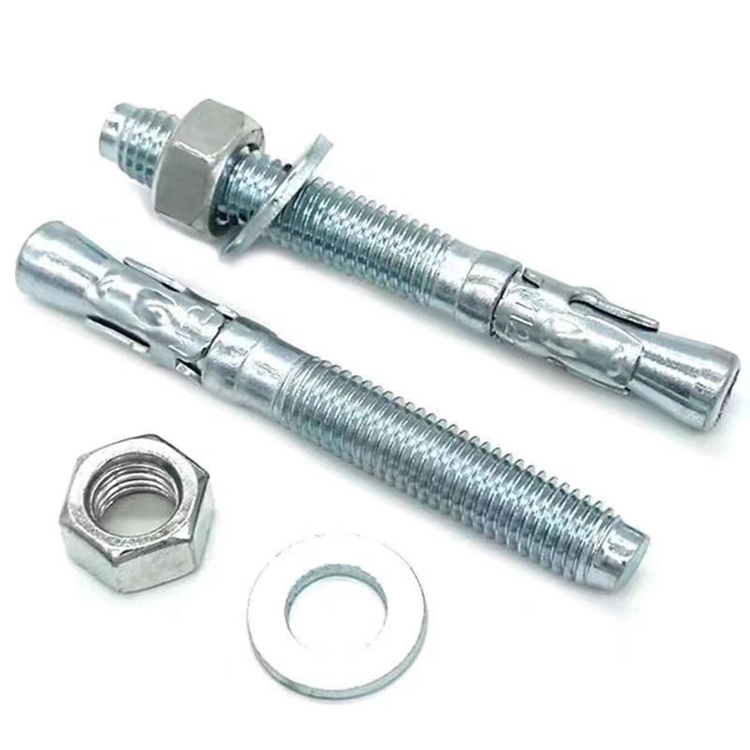
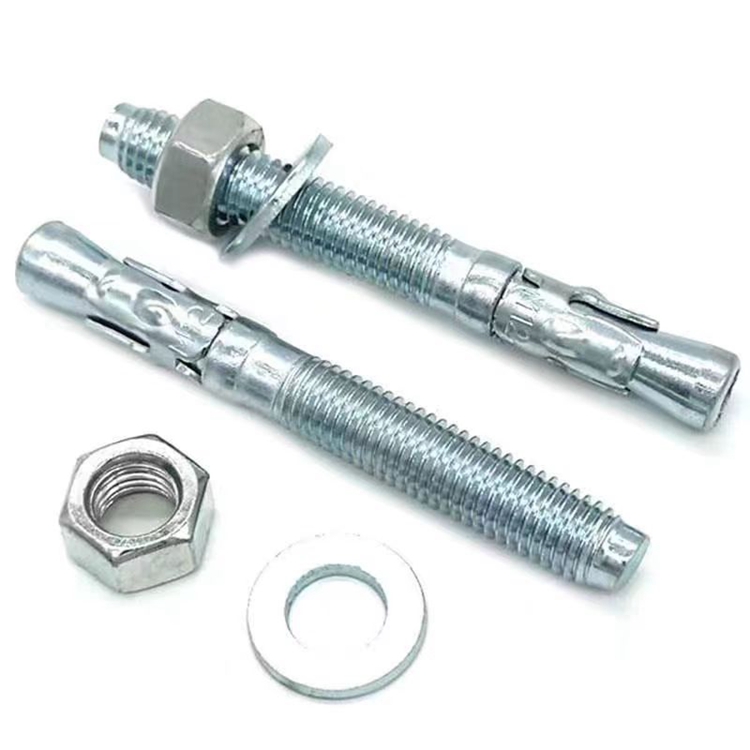
Chrome bolts are externally threaded fasteners with a chrome finish, typically manufactured from carbon steel. Their primary function is to securely join materials together via mechanical clamping force. Within the industrial fastening chain, chrome bolts occupy a position between raw material suppliers (steel producers, chrome plating facilities) and downstream manufacturers across diverse sectors like automotive, construction, and machinery. The chrome plating provides a decorative finish and, critically, enhances corrosion resistance, making them suitable for both indoor and outdoor applications. Core performance characteristics include tensile strength, yield strength, hardness, and resistance to environmental factors. The industry faces increasing demand for higher strength-to-weight ratios, improved corrosion protection in aggressive environments, and adherence to stringent industry-specific standards.
Material Science & Manufacturing
The base material for most chrome bolts is medium carbon steel, typically AISI 1045 or 10B21, chosen for their balance of strength, ductility, and machinability. These steels consist primarily of iron, carbon (0.45% - 0.60%), manganese, silicon, and trace amounts of phosphorus and sulfur. The mechanical properties are highly dependent on the carbon content and heat treatment processes. Chrome plating is generally achieved through hexavalent chromium plating (though increasingly replaced by trivalent chromium due to environmental concerns) via an electrochemical process. This involves immersing the steel bolts in a chromium electrolyte and applying a direct current, causing chromium ions to deposit onto the surface. Key manufacturing processes include cold heading, thread rolling, and heat treatment. Cold heading forms the bolt head, improving material strength through work hardening. Thread rolling creates the threads without material loss, enhancing thread integrity. Heat treatment, involving processes like quenching and tempering, fine-tunes the mechanical properties to achieve desired hardness and tensile strength. Parameter control during heat treatment—temperature, time, and cooling rate—are critical for preventing cracking or distortion. The chrome plating thickness is typically 0.25-2.5 μm, impacting corrosion resistance. Chemical compatibility between the steel substrate and the chrome layer is paramount to prevent underfilm corrosion.
Performance & Engineering
The performance of chrome bolts is primarily governed by their mechanical strength under tensile and shear loads. Force analysis relies on principles of statics and mechanics of materials, considering factors like bolt preload, external forces, and material properties. Preload, the initial tension applied to the bolt during tightening, is crucial for maintaining clamping force and preventing loosening. Environmental resistance is a key performance indicator, particularly in corrosive environments. Chrome plating provides a barrier against corrosion, but its effectiveness is limited by the presence of defects or scratches. Galvanic corrosion can occur if the chrome-plated bolt is coupled with dissimilar metals in the presence of an electrolyte. Compliance requirements are dictated by industry standards and application-specific regulations. For example, automotive applications require adherence to IATF 16949 quality management systems and specific bolt grade specifications (e.g., SAE J429). The functional implementation involves selecting the appropriate bolt grade, size, and length based on the application's load requirements and environmental conditions. Finite element analysis (FEA) is often employed to simulate stress distribution and optimize bolt design. Fatigue resistance is critical in applications subject to cyclical loading, and bolt design must account for fatigue life considerations.
Technical Specifications
| Bolt Grade | Tensile Strength (MPa) | Yield Strength (MPa) | Hardness (HRC) | |
|---|---|---|---|---|
| 4.8 | 400 | 240 | 24-32 | |
| 8.8 | 800 | 640 | 30-38 | |
| 10.9 | 1000 | 980 | 32-40 | |
| 12.9 | 1200 | 1100 | 38-46 | |
| Chrome Plating Thickness (µm) | 0.25 | 0.5 | 1.25 | 2.5 |
| Corrosion Resistance (Salt Spray Test - hours) | 24 | 48 | 96 | 168 |
Failure Mode & Maintenance
Common failure modes for chrome bolts include stripping of threads, shear failure, tensile fracture, and corrosion-induced failure. Stripping occurs when the threads are worn or damaged, reducing clamping force. Shear failure happens when the bolt is subjected to excessive shear stress, causing it to break. Tensile fracture occurs when the bolt is pulled beyond its tensile strength. Corrosion, particularly underfilm corrosion resulting from defects in the chrome plating, weakens the bolt and can lead to premature failure. Hydrogen embrittlement, a consequence of the electroplating process, can also reduce ductility. Fatigue cracking can initiate from stress concentrations, such as thread roots or under the bolt head, and propagate over time under cyclical loading. Maintenance involves periodic inspection for signs of corrosion, thread damage, or loosening. Regular retightening to the specified preload is crucial for maintaining clamping force. Preventive measures include using appropriate lubricants to reduce friction and prevent galling, applying corrosion inhibitors, and selecting bolts with adequate corrosion resistance for the specific environment. If corrosion is detected, the bolt should be replaced immediately. Proper storage in a dry environment can also minimize corrosion risk.
Industry FAQ
Q: What is the difference between hexavalent and trivalent chromium plating in terms of corrosion resistance and environmental impact?
A: Hexavalent chromium plating traditionally offered superior corrosion resistance due to the formation of a more stable chromium oxide layer. However, hexavalent chromium is a known carcinogen and poses significant environmental hazards. Trivalent chromium plating is a more environmentally friendly alternative, but typically provides slightly lower corrosion resistance. Advances in trivalent chromium chemistry are continuously improving its performance, making it a viable substitute in many applications. The choice depends on balancing corrosion resistance requirements with environmental regulations.
Q: How does bolt preload affect the fatigue life of a chrome bolt?
A: Higher bolt preload generally increases fatigue life up to a certain point. Proper preload creates a compressive stress in the joint members, delaying crack initiation. However, excessive preload can exceed the bolt's yield strength, leading to plastic deformation and reduced fatigue resistance. Conversely, insufficient preload can allow for joint separation and increased stress concentrations, accelerating fatigue failure. Maintaining the recommended preload is crucial for maximizing fatigue life.
Q: What are the common causes of thread stripping in chrome bolts?
A: Common causes include over-tightening, using incompatible materials (e.g., aluminum and steel without appropriate lubrication), and thread damage from corrosion or previous use. Over-tightening exceeds the shear strength of the threads, causing them to strip. Using incompatible materials without lubrication increases friction and the risk of galling. Existing thread damage provides stress concentrators, accelerating stripping.
Q: How does temperature affect the performance of chrome bolts?
A: Elevated temperatures can reduce the yield strength and tensile strength of both the steel substrate and the chrome plating. High temperatures can also accelerate corrosion rates. In extreme conditions, creep, the slow deformation of the bolt under constant stress, can occur. Conversely, low temperatures can reduce ductility and increase the risk of brittle fracture. The operating temperature range should be considered when selecting a bolt material and grade.
Q: What are the quality control measures implemented during the manufacturing of chrome bolts to ensure consistent performance?
A: Quality control measures include raw material inspection (chemical composition and mechanical properties), dimensional checks (thread diameter, head size, length), hardness testing, tensile testing, and corrosion testing (salt spray testing). Plating thickness is also carefully monitored. Statistical process control (SPC) is used to track process parameters and identify potential issues. Non-destructive testing methods, such as magnetic particle inspection, may be used to detect surface cracks. Regular calibration of testing equipment is essential.
Conclusion
Chrome bolts remain a ubiquitous fastening solution due to their combination of strength, corrosion resistance, and cost-effectiveness. Understanding the interplay between material science, manufacturing processes, and engineering principles is paramount for ensuring reliable performance in diverse applications. Proper selection of bolt grade, preload, and corrosion protection measures are critical for preventing failure.
The ongoing trend towards environmentally sustainable manufacturing practices is driving the adoption of trivalent chromium plating and the development of alternative corrosion protection technologies. Future advancements in bolt design and materials will likely focus on achieving higher strength-to-weight ratios and improved performance in extreme environments, further solidifying the chrome bolt's position in industrial fastening.