
Introduction
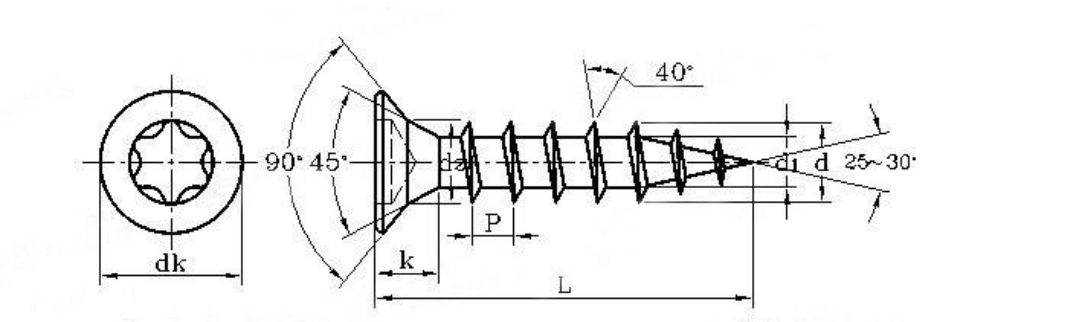
Cap bolts, also known as hexagon head bolts, are externally threaded fasteners designed for assembly applications requiring high clamping force and resistance to loosening. They represent a fundamental component across diverse industries including automotive, aerospace, construction, and heavy machinery. Positioned within the fastening element supply chain, cap bolts interface with nuts and tapped holes to create secure mechanical joints. Their performance is critically defined by tensile strength, yield strength, preload capacity, and resistance to fatigue, corrosion, and varying temperature environments. This guide provides a comprehensive technical overview of cap bolts, encompassing material science, manufacturing processes, performance characteristics, failure modes, and relevant industry standards.
Material Science & Manufacturing
Cap bolts are commonly manufactured from carbon steels (such as 1045, 4140), alloy steels (e.g., 8.8, 10.9, 12.9 grades – signifying tensile strength in MPa x 100), and stainless steels (304, 316). The selection of material directly impacts the bolt’s mechanical properties and corrosion resistance. Carbon steel offers high strength at a lower cost but is susceptible to corrosion. Alloy steels provide increased strength, toughness, and hardenability through the addition of alloying elements like chromium, molybdenum, and vanadium. Stainless steel offers excellent corrosion resistance but generally possesses lower tensile strength than alloy steels.
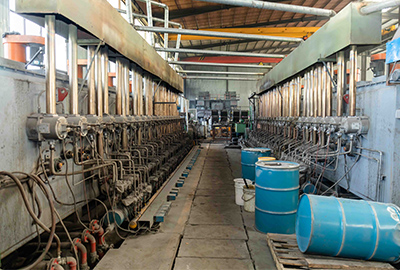
Manufacturing typically involves cold heading, followed by thread rolling and heat treatment. Cold heading forms the bolt head using compressive forces, enhancing the grain structure and improving mechanical properties. Thread rolling creates the threads without material removal, preserving the grain flow and increasing fatigue resistance compared to machining. Heat treatment, including hardening and tempering, is crucial to achieve the desired strength, ductility, and toughness. Surface treatments like zinc plating, black oxide, or powder coating are often applied to enhance corrosion resistance and aesthetic appearance. Critical process parameters include die temperature during cold heading, roll pressure during thread rolling, austenitizing temperature, quenching medium, and tempering temperature. Precise control of these parameters is vital to prevent defects such as cracks, laps, and inconsistent hardness.
Performance & Engineering
The performance of cap bolts in engineering applications is governed by several factors, primarily related to stress analysis and environmental conditions. Axial tensile load is the primary stress experienced during assembly. The bolt’s tensile strength must exceed the anticipated load to prevent fracture. Preload, the initial tension applied to the bolt during tightening, is critical for maintaining joint integrity. Adequate preload creates clamping force, preventing separation of the joined components and resisting external loads. Shear stress arises when loads are applied perpendicular to the bolt axis. The shear strength of the bolt must be sufficient to withstand these forces.
Environmental resistance is also a key consideration. Corrosion, particularly in harsh environments, can significantly reduce bolt strength and lead to failure. Temperature fluctuations can induce thermal stresses, potentially causing loosening or yielding. Fatigue loading, resulting from repeated stress cycles, can initiate cracks and ultimately lead to fracture. Compliance requirements, such as those stipulated by ISO 898-1 (Property classes for fasteners) and ASTM A307 (Carbon Steel Bolts and Screws for General Purpose Applications), dictate material specifications, mechanical properties, and testing procedures. Finite Element Analysis (FEA) is frequently employed to simulate stress distributions and optimize bolt design for specific applications.
Technical Specifications
| Property | Grade 8.8 (Metric) | Grade 10.9 (Metric) | SAE J429 Grade 5 (Imperial) | SAE J429 Grade 8 (Imperial) |
|---|---|---|---|---|
| Tensile Strength (MPa) | 800 | 1000 | 830 | 1040 |
| Yield Strength (MPa) | 640 | 900 | 690 | 950 |
| Hardness (Rockwell C) | 33-39 | 37-43 | 30-35 | 39-45 |
| Elongation (%) | 16 | 14 | 18 | 15 |
| Proof Load (kN) | Variable based on diameter | Variable based on diameter | Variable based on diameter | Variable based on diameter |
| Typical Applications | General purpose fastening, machinery | High-stress applications, automotive | Automotive, general machinery | Heavy-duty applications, aerospace |
Failure Mode & Maintenance
Cap bolts are susceptible to several failure modes. Fatigue cracking, initiated by cyclic loading, often occurs at stress concentration points such as thread roots or under the bolt head. Corrosion, particularly galvanic corrosion in dissimilar metal joints, weakens the bolt material and accelerates failure. Hydrogen embrittlement, caused by the diffusion of hydrogen into the steel lattice, can lead to brittle fracture. Stripping of threads, resulting from excessive tightening or corrosion, reduces clamping force and compromises joint integrity. Shear failure occurs when the shear stress exceeds the bolt’s shear strength.
Maintenance involves regular visual inspections to identify signs of corrosion, deformation, or thread damage. Torque checks should be performed periodically to ensure adequate preload is maintained. Lubrication with appropriate thread lubricants reduces friction during tightening and prevents galling. For critical applications, non-destructive testing methods such as ultrasonic testing or magnetic particle inspection can detect internal cracks and flaws. Replacement of corroded or damaged bolts is essential to prevent catastrophic failure. Proper storage in a dry environment prevents corrosion during extended periods of inactivity. Implementing a preventative maintenance program tailored to the specific application and environmental conditions significantly extends the service life of cap bolts.
Industry FAQ
Q: What is the impact of thread engagement length on bolt performance?
A: Thread engagement length is the portion of the bolt that is engaged with the threads of the tapped hole. Insufficient thread engagement reduces the effective load-bearing area, increasing stress concentration and reducing the bolt’s resistance to stripping. Generally, a minimum of one to one-and-a-half times the bolt diameter is recommended for adequate thread engagement.
Q: How does heat treatment affect the ductility of a cap bolt?
A: Heat treatment, specifically tempering, plays a crucial role in controlling ductility. Hardening increases strength but typically reduces ductility, making the bolt more brittle. Tempering is performed after hardening to reduce brittleness and restore some ductility. The tempering temperature and time determine the balance between strength and ductility. Higher tempering temperatures result in increased ductility but reduced strength.
Q: What are the differences between prevailing torque nuts and standard nuts used with cap bolts?
A: Prevailing torque nuts, such as nylon insert lock nuts or deformed thread lock nuts, are designed to provide resistance to loosening due to vibration. They create friction between the nut and bolt threads, increasing the torque required to rotate the nut. Standard nuts rely solely on clamping force and friction to maintain joint integrity and are more susceptible to loosening under vibration.
Q: What considerations should be made when selecting a coating for cap bolts in a marine environment?
A: In marine environments, corrosion is a significant concern. Hot-dip galvanizing provides excellent corrosion protection, but can introduce hydrogen embrittlement, requiring post-galvanizing heat treatment. Stainless steel (316 grade is preferred) offers superior corrosion resistance without the risk of embrittlement. Epoxy coatings or specialized marine-grade paints can also provide effective protection, but require careful surface preparation and application.
Q: How important is proper tightening torque, and what tools are recommended for achieving it?
A: Proper tightening torque is paramount for achieving adequate preload and ensuring joint integrity. Under-tightening leads to insufficient clamping force and potential loosening, while over-tightening can cause bolt stretching, thread stripping, or even bolt fracture. Torque wrenches, calibrated regularly, are essential for accurately applying the specified torque. Hydraulic torque wrenches are recommended for high-torque applications. Torque-angle tightening, which combines torque control with an angular rotation, provides even more precise preload control.
Conclusion
Cap bolts are essential fastening elements whose performance is intricately linked to material selection, manufacturing precision, and engineering design considerations. Understanding the interplay between tensile strength, yield strength, preload, environmental resistance, and potential failure modes is critical for ensuring the reliability and longevity of bolted joints. Proper maintenance practices, including regular inspections, torque checks, and timely replacement of damaged components, are essential for mitigating risks and maximizing service life.
Future advancements in cap bolt technology will likely focus on developing new materials with enhanced strength-to-weight ratios, exploring innovative coating techniques for improved corrosion resistance, and integrating smart fasteners with embedded sensors for real-time monitoring of preload and stress levels. The continued refinement of these aspects will solidify the role of cap bolts as a foundational component in a wide range of engineering applications.