
Introduction
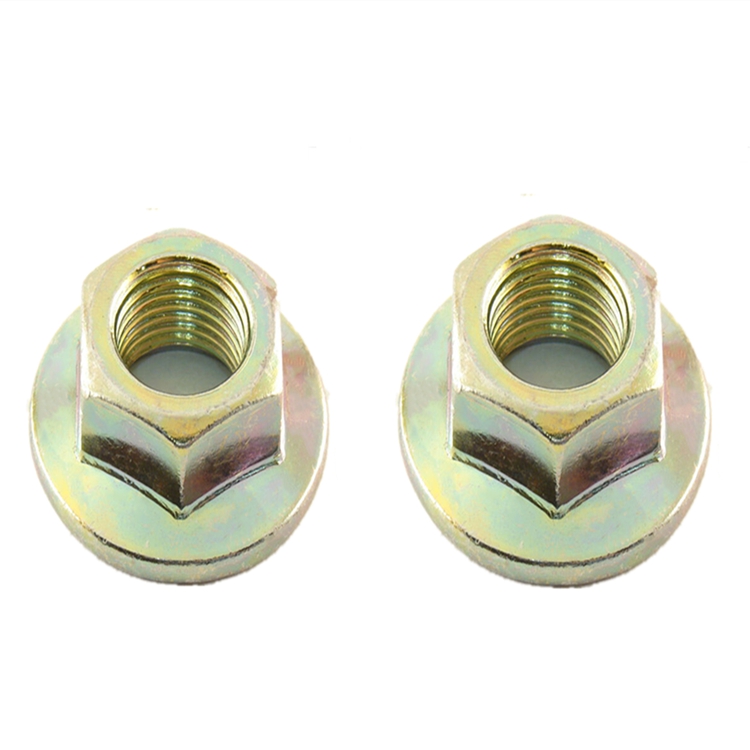
Cabinet bolts are shear-resistant fasteners employed to secure overlapping materials, primarily in woodworking, furniture construction, and cabinet making. Technically classified as machine bolts designed for use with a barrel nut, they provide a strong and concealed fixing solution. Their application differentiates them from through-bolts, offering a cleaner aesthetic and simplified installation where access to both sides of the joined material is limited. Core performance characteristics center around shear strength, tensile strength of the bolt material, corrosion resistance (dependent on coating), and the precise fit between the bolt head and the receiving material to prevent cam-out. A primary industry pain point revolves around inconsistent barrel nut quality, leading to reduced clamp load and potential joint failure. Furthermore, material selection is critical, as differing wood types and exposure environments necessitate specific coatings and alloy compositions.
Material Science & Manufacturing
Cabinet bolts are typically manufactured from medium carbon steel (e.g., SAE 1045) due to its balance of strength, ductility, and cost-effectiveness. Higher-grade alloys like alloy steel (e.g., 4140) are utilized in applications demanding superior tensile strength and fatigue resistance. The manufacturing process begins with cold heading, forming the bolt head and shank from wire stock. This imparts a favorable grain flow, enhancing strength. Subsequently, the bolt undergoes thread rolling, a process which cold-forms the threads without material removal, improving thread strength compared to machining. Barrel nuts are commonly made from brass (C36000), providing good corrosion resistance and a smooth mating surface. Critical manufacturing parameters include precise control of cold heading pressure to avoid internal defects, thread pitch accuracy (typically unified national coarse threads - UNC), and heat treatment (quenching and tempering) to achieve the desired hardness and toughness. Surface treatments such as zinc plating, nickel plating, or black oxide coating are applied to enhance corrosion resistance. Material compatibility is key; for example, using brass barrel nuts with aluminum hardware can lead to galvanic corrosion in humid environments. The tensile strength of the steel should ideally be greater than 550 MPa, and the yield strength greater than 350 MPa, verified by standardized testing (see section 7).
Performance & Engineering
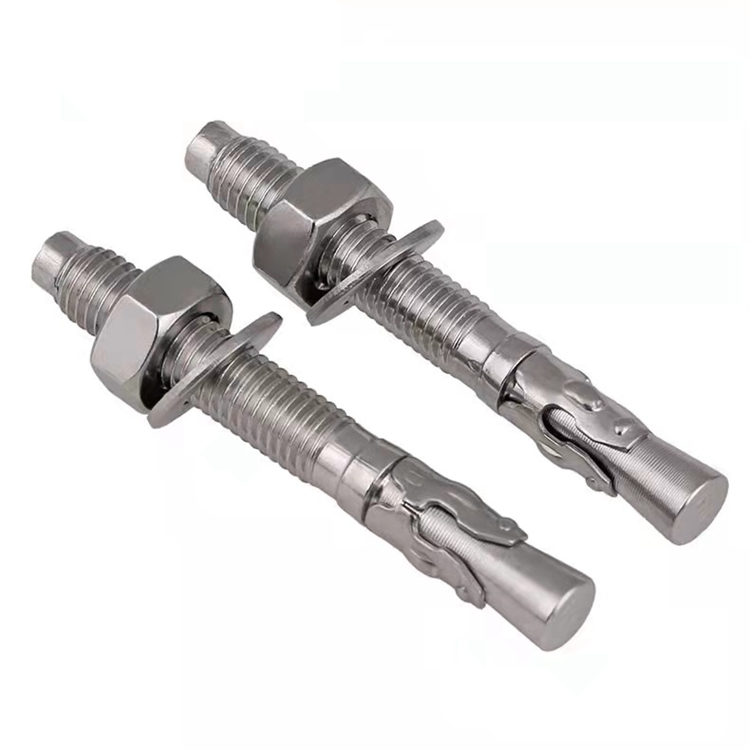
The performance of cabinet bolts is fundamentally governed by shear force analysis. When a load is applied perpendicular to the bolt axis, the shear stress concentrates on the bolt shank and the interface between the bolt and the barrel nut. The shear strength of the bolt material and the contact area determine the bolt’s ability to resist this force. Engineering calculations must consider the material properties of both the bolt and the joined materials. A safety factor is applied, typically between 2 and 4, to account for uncertainties in loading conditions and material properties. Environmental resistance is also crucial. Prolonged exposure to moisture, particularly in untreated wood, can lead to corrosion of the bolt and degradation of the barrel nut. The choice of coating directly impacts longevity in these conditions. Compliance requirements vary by application. For furniture intended for outdoor use, the bolts and barrel nuts must meet corrosion resistance standards, such as ASTM B117 (salt spray testing). Additionally, the bolt head design must prevent cam-out under applied torque, ensuring a secure and reliable connection. Finite Element Analysis (FEA) is frequently employed to optimize bolt geometry and predict stress distribution under various loading scenarios. The clamping force provided by the bolt is critical for maintaining joint integrity; insufficient clamping force can lead to slippage and eventual failure.
Technical Specifications
| Parameter | Metric (Imperial) | Typical Range | Testing Standard |
|---|---|---|---|
| Tensile Strength | MPa (psi) | 550-800 (80,000-116,000) | ISO 6892-1 |
| Shear Strength | MPa (psi) | 350-500 (50,000-72,500) | ASTM A307 |
| Yield Strength | MPa (psi) | 300-500 (43,500-72,500) | ASTM A307 |
| Hardness (Bolt) | HRC | 20-30 | ASTM A530 |
| Barrel Nut Material | - | Brass (C36000) | ASTM B16 |
| Coating Type | - | Zinc Plating, Nickel Plating, Black Oxide | ASTM B633, ASTM B689, ASTM 805 |
Failure Mode & Maintenance
Common failure modes for cabinet bolts include shear failure of the bolt shank, stripping of the bolt head (cam-out), corrosion of the bolt or barrel nut, and fatigue cracking under cyclic loading. Shear failure occurs when the applied shear stress exceeds the bolt’s shear strength. Cam-out is often caused by using an improper screwdriver bit or applying insufficient torque. Corrosion is accelerated by exposure to moisture and corrosive environments. Fatigue cracking results from repeated stress cycles, even if the stress levels are below the yield strength. Preventive maintenance involves periodic inspection for signs of corrosion, loosening, or damage. Applying a lubricant (e.g., silicone grease) to the bolt threads can reduce friction and prevent galling. For bolts exposed to harsh environments, regular cleaning and re-application of protective coatings are recommended. If corrosion is detected, the bolt and barrel nut should be replaced. In cases of fatigue cracking, the entire assembly should be evaluated to identify the source of the cyclic loading and implement measures to reduce it. Furthermore, consistent torque application during installation is vital. Under-torquing leads to joint loosening; over-torquing can strip threads or cause bolt failure.
Industry FAQ
Q: What is the impact of using a barrel nut made from a different material than the bolt?
A: Using dissimilar metals, such as a steel bolt with an aluminum barrel nut, creates a galvanic cell and accelerates corrosion. This is because the metals have different electrochemical potentials. The more active metal (aluminum in this case) will corrode preferentially. It’s crucial to use compatible materials, typically brass barrel nuts with steel bolts, or employ insulating coatings to prevent galvanic corrosion.
Q: How do I determine the appropriate bolt diameter for a specific application?
A: Bolt diameter selection depends on the shear load and the tensile strength of the materials being joined. A shear force calculation, considering a safety factor (typically 2-4), will determine the minimum required shear area. Then, the appropriate bolt diameter is selected based on its shear strength. Furthermore, the thickness of the materials being joined influences the required bolt length. Consulting engineering handbooks and performing stress analysis are recommended for critical applications.
Q: What is the advantage of cold heading versus machining the bolt head?
A: Cold heading imparts a favorable grain flow to the bolt material, increasing its strength and toughness. Machining cuts the grain, potentially creating stress concentrators. Additionally, cold heading is a more cost-effective and faster manufacturing process than machining.
Q: How does the type of coating affect the long-term performance of cabinet bolts?
A: Coating type significantly impacts corrosion resistance. Zinc plating offers moderate protection, while nickel plating provides superior resistance. Black oxide provides minimal corrosion protection but enhances aesthetics. The choice of coating should be based on the expected exposure environment. For outdoor applications, consider coatings with chromate conversion coatings for enhanced corrosion protection.
Q: What torque value should be used when tightening cabinet bolts?
A: The appropriate torque value depends on the bolt diameter, material, and lubrication. Generally, a torque value between 5-10 Nm (44-88 in-lbs) is recommended for M6 and M8 cabinet bolts. Using a calibrated torque wrench is essential to ensure consistent and accurate tightening. Over-torquing can strip threads, while under-torquing can lead to joint loosening.
Conclusion
Cabinet bolts, while seemingly simple fasteners, are critical components requiring careful material selection, precise manufacturing, and proper installation to ensure long-term joint integrity. Their effectiveness hinges on understanding the interplay between shear strength, tensile strength, corrosion resistance, and the specific demands of the application. Addressing the industry pain points of inconsistent barrel nut quality and environmental degradation through stringent quality control and appropriate coating selection is paramount.
Future advancements may focus on developing new alloy compositions with enhanced corrosion resistance and exploring alternative manufacturing processes to further improve bolt strength and reduce manufacturing costs. Implementing advanced inspection techniques, such as non-destructive testing, can also enhance quality control and prevent failures. The ongoing pursuit of optimized fastening solutions remains vital for ensuring the durability and reliability of assembled products.