

Introduction
Box bolts, also known as square head bolts, are a type of fastener characterized by their square-shaped head. Positioned within the broader fastening industry, these bolts serve as a critical component in assembling structures across diverse sectors, including machinery, automotive, construction, and furniture. Their primary function is to securely join materials, resisting tensile and shear stresses. While historically prevalent, box bolts are increasingly being replaced by hex head bolts in many applications due to improved wrenching efficiency and higher torque capacity. However, they retain relevance in specific instances where a flush or limited headroom profile is required, or where aesthetic considerations favor their distinct appearance. This guide provides an in-depth technical overview of box bolts, covering material science, manufacturing processes, performance characteristics, failure modes, and relevant industry standards. A core pain point within industry concerning box bolts revolves around potential inconsistencies in head dimensions, leading to tooling incompatibility and assembly difficulties, as well as potential for corrosion in certain environmental exposures.
Material Science & Manufacturing
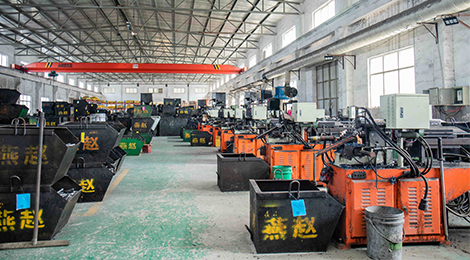
Box bolts are commonly manufactured from carbon steel (ASTM A307 Grade A, A574), alloy steel (ASTM A307 Grade B, A574), and stainless steel (304, 316). The selection of material is dictated by the anticipated operating environment and load requirements. Carbon steel offers high strength and cost-effectiveness, but is susceptible to corrosion without protective coatings. Alloy steel exhibits enhanced strength, toughness, and wear resistance. Stainless steel provides superior corrosion resistance, making it suitable for harsh environments. Manufacturing typically involves cold heading, where a wire stock of the chosen material is fed into a machine and formed into the bolt shape through a series of die impressions. Subsequent processes include thread rolling (using a thread rolling die to form the threads), heat treatment (for steel alloys to achieve desired mechanical properties – typically quenching and tempering), and surface finishing (such as zinc plating, black oxide coating, or passivation for stainless steel). Key parameter control during cold heading involves precise die geometry, lubrication, and feed rate to ensure consistent head dimensions and thread formation. Thread pitch and diameter tolerances are critical, adhering to standards like ISO 68-1. Improper heat treatment can lead to insufficient hardness or brittleness, impacting the bolt's load-bearing capacity. Material composition, validated through spectroscopic analysis, must conform to the specified standard to guarantee desired performance.
Performance & Engineering
The performance of box bolts is governed by several engineering principles. Tensile strength, measured in MPa or PSI, indicates the bolt's resistance to being pulled apart. Yield strength represents the point at which the bolt begins to deform permanently. Shear strength determines its resistance to forces acting parallel to the shank. Preload, the clamping force applied to the joined materials, is crucial for maintaining joint integrity. The torque-tension relationship dictates how much torque is required to achieve a specific preload. Box bolts, due to their square head, offer a limited wrenching surface, potentially leading to lower achievable torque compared to hex head bolts. Force analysis involves calculating the stresses on the bolt under various load conditions, considering factors like axial load, bending moment, and shear force. Environmental resistance is a significant concern. Corrosion, particularly in marine or chemically aggressive environments, can significantly reduce bolt strength. Fatigue resistance, the ability to withstand repeated loading cycles, is vital in dynamic applications. Compliance requirements, such as RoHS (Restriction of Hazardous Substances) and REACH (Registration, Evaluation, Authorisation and Restriction of Chemicals), mandate restrictions on certain materials and substances used in bolt manufacturing. Finite element analysis (FEA) is often employed to simulate bolt behavior under different conditions and optimize its design for specific applications.
Technical Specifications
| Diameter (mm) | Thread Pitch (mm) | Material Grade | Tensile Strength (MPa) |
|---|---|---|---|
| M6 | 1.0 | A307 Grade A | 400 |
| M8 | 1.25 | A307 Grade B | 600 |
| M10 | 1.5 | 304 Stainless Steel | 500 |
| M12 | 1.75 | A574 | 700 |
| M16 | 2.0 | 316 Stainless Steel | 620 |
| M20 | 2.5 | A307 Grade B | 600 |
Failure Mode & Maintenance
Box bolts are susceptible to several failure modes. Thread stripping occurs when the threads are worn or damaged, reducing clamping force. Fatigue cracking develops under cyclic loading, initiating at stress concentrations, such as thread roots or under the bolt head. Corrosion, particularly galvanic corrosion when dissimilar metals are in contact, weakens the bolt material. Hydrogen embrittlement can occur in high-strength steel bolts exposed to hydrogen-containing environments, leading to brittle fracture. Shear failure happens when the shear stress exceeds the bolt's shear strength. Head fracture can result from excessive torque or material defects. Maintenance involves regular inspection for signs of corrosion, damage, or loosening. Proper torque application, using calibrated torque wrenches, is crucial to avoid over-tightening or under-tightening. Lubrication of threads reduces friction and prevents galling. Periodic retightening may be necessary, especially in dynamic applications. Protective coatings, such as zinc plating or powder coating, can significantly extend bolt life by preventing corrosion. When replacing a box bolt, ensure the replacement bolt meets or exceeds the original specifications. Failure analysis, including microscopic examination of fractured surfaces, can help identify the root cause of failure and prevent recurrence.
Industry FAQ
Q: What are the limitations of using box bolts compared to hex head bolts?
A: Box bolts offer a smaller wrenching surface, limiting the achievable torque and increasing the risk of rounding off the head. They also generally have a lower shear strength due to the reduced head bearing area. Hex head bolts are more widely available and offer greater versatility in tooling options.
Q: What material grade is best suited for marine applications?
A: 316 stainless steel is the most suitable material grade for marine applications due to its superior resistance to chloride corrosion. While 304 stainless steel provides some corrosion resistance, 316 offers significantly better performance in saltwater environments.
Q: How does heat treatment affect the performance of alloy steel box bolts?
A: Proper heat treatment – typically involving quenching and tempering – is critical for achieving the desired hardness, tensile strength, and ductility of alloy steel box bolts. Insufficient heat treatment can result in inadequate strength, while excessive heat treatment can lead to brittleness and increased susceptibility to cracking.
Q: What are the typical surface treatments used to prevent corrosion in box bolts?
A: Common surface treatments include zinc plating (provides sacrificial corrosion protection), black oxide coating (offers mild corrosion resistance and a cosmetic finish), and passivation (for stainless steel, enhances corrosion resistance by forming a protective oxide layer). Powder coating provides a durable and colorful protective finish.
Q: How important is preload when using box bolts in a critical joint?
A: Preload is paramount for maintaining joint integrity. Correct preload ensures sufficient clamping force to prevent slippage and fatigue failure. Insufficient preload can lead to loosening and eventual joint failure, while excessive preload can cause bolt stretching or stripping.
Conclusion
Box bolts, while facing increasing competition from hex head fasteners, remain a viable fastening solution for specific applications demanding a low-profile head or a distinct aesthetic. Their performance is heavily influenced by material selection, manufacturing precision, and proper installation practices. Understanding the potential failure modes – including thread stripping, corrosion, and fatigue cracking – is crucial for ensuring long-term reliability.
Looking forward, advancements in cold forming techniques and surface treatments will continue to refine the performance characteristics of box bolts. The integration of digital torque monitoring systems and predictive maintenance strategies will further enhance their reliability in critical applications. Continued adherence to relevant industry standards and a thorough understanding of the underlying engineering principles will remain essential for maximizing the lifespan and performance of these essential fasteners.