
Introduction
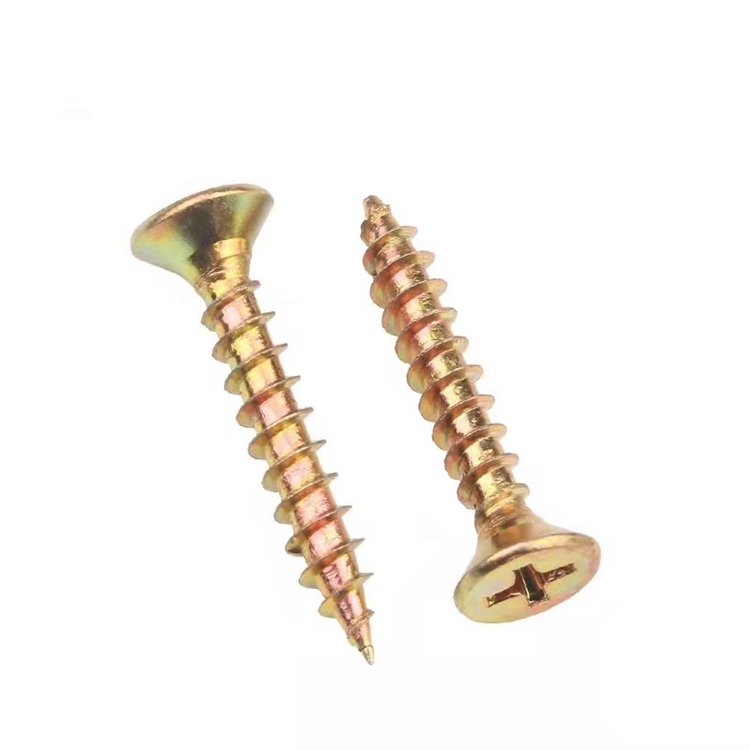
Antique bolts represent a critical fastening technology historically employed in diverse applications ranging from structural engineering and shipbuilding to early automotive manufacturing. Unlike modern fasteners produced to standardized specifications, antique bolts exhibit a wide variance in material composition, manufacturing techniques, and dimensional tolerances. Their technical position within the industrial chain is unique; they are not merely components but historical artifacts reflecting the metallurgical capabilities and design philosophies of their era. Core performance characteristics – tensile strength, shear strength, and corrosion resistance – are dependent upon the specific alloy, fabrication method, and historical environmental exposure. Understanding these nuances is vital for restoration projects, historical preservation, and forensic engineering analysis. A key pain point in utilizing antique bolts stems from the difficulty in reliably determining original material properties and load-bearing capacity, necessitating careful assessment and often, non-destructive testing methods.
Material Science & Manufacturing
Antique bolts were primarily manufactured from wrought iron, early mild steels, and occasionally, brass or bronze. Wrought iron, characterized by its low carbon content and fibrous structure, offered good ductility but limited tensile strength and susceptibility to corrosion. Early mild steels, produced via processes like puddling or Bessemer conversion, exhibited improved strength but were often inconsistent in composition and prone to impurities. Brass and bronze were employed where corrosion resistance was paramount, particularly in marine applications. Manufacturing processes varied considerably. Hand forging was common, resulting in bolts with unique surface textures and dimensional variations. Later, machine forging and cold heading techniques were introduced, increasing production rates but still lacking the precision of modern processes. Threading was initially cut by hand using dies, leading to inaccuracies and inconsistencies. Key parameter control during these early manufacturing stages was limited. Carbon content, grain size, and heat treatment (or lack thereof) significantly impacted mechanical properties. The presence of inclusions like slag in wrought iron could act as stress concentrators, promoting fatigue failure. Material sourcing was also a factor; iron ore quality and smelting techniques varied geographically, impacting the final product’s characteristics. Surface finishes were rudimentary, often relying on rudimentary filing or polishing, with minimal corrosion protection applied.
Performance & Engineering
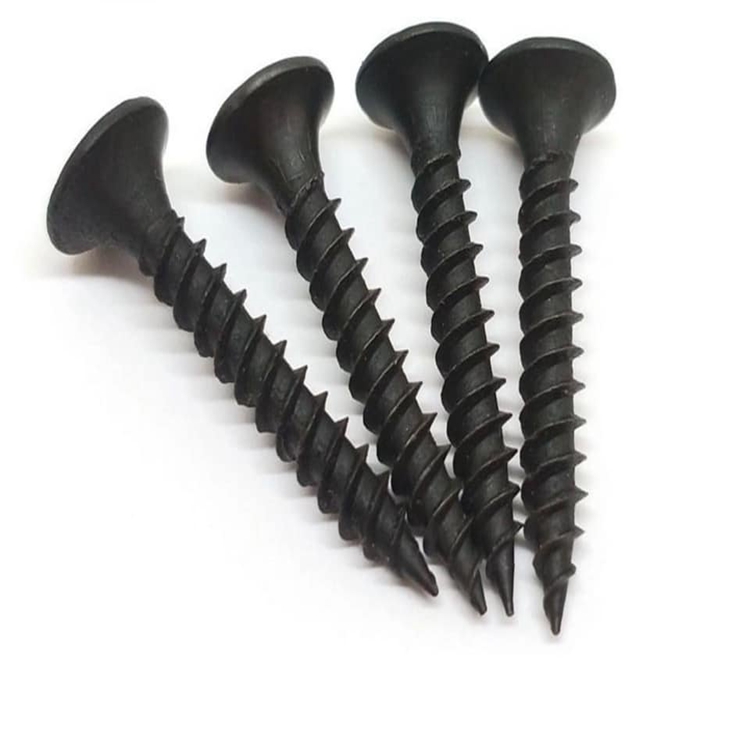
The performance of antique bolts is dictated by their material properties, geometry, and the applied load. Force analysis must account for the inherent variability in these parameters. Tensile strength, yield strength, and shear strength are critical metrics, but determining these values accurately for existing antique bolts is challenging. Finite Element Analysis (FEA) can be used for modeling, but requires accurate material input data which is often unavailable. Environmental resistance is another key consideration. Prolonged exposure to moisture, temperature fluctuations, and corrosive atmospheres can significantly degrade the material, reducing its load-bearing capacity. Galvanic corrosion, occurring when dissimilar metals are in contact, can accelerate degradation. Compliance requirements, as we know them today, did not exist during the periods when these bolts were manufactured. Therefore, assessment must rely on understanding historical design practices and employing safety factors to account for uncertainties. Functional implementation – the intended application of the bolt – heavily influences the required performance level. Bolts used in critical structural applications require significantly higher strength and durability than those used for less demanding purposes. The method of tightening is also important; historical practices often relied on manual tightening, leading to inconsistent preload values and potential loosening over time. Fatigue performance is particularly relevant for bolts subjected to cyclic loading, and predicting fatigue life requires a thorough understanding of the material’s crack propagation characteristics.
Technical Specifications
| Material Composition | Tensile Strength (MPa) - Estimated Range | Shear Strength (MPa) - Estimated Range | Typical Diameter (mm) |
|---|---|---|---|
| Wrought Iron | 200 – 400 | 100 – 200 | 6 – 25 |
| Early Mild Steel | 400 – 600 | 200 – 300 | 8 – 38 |
| Brass (Various Alloys) | 300 – 700 | 150 – 350 | 6 – 19 |
| Bronze (Various Alloys) | 400 – 800 | 200 – 400 | 8 – 25 |
| Thread Pitch (mm) - Typical | 1.0 – 4.0 (coarse) | N/A | N/A |
| Hardness (Brinell) - Estimated | 80 – 150 (Wrought Iron) | 120 – 200 (Mild Steel) | N/A |
Failure Mode & Maintenance
Antique bolts are susceptible to a range of failure modes. Fatigue cracking, induced by cyclic loading, is common, particularly in areas of stress concentration such as the thread root. Corrosion, in the form of rust (for iron and steel) or dezincification (for brass), weakens the material and accelerates failure. Hydrogen embrittlement, a phenomenon where hydrogen atoms diffuse into the metal lattice causing brittleness, can occur in acidic environments. Shear failure can result from excessive shear loads or material degradation. Thread stripping, caused by improper tightening or corrosion, is a frequent issue. Delamination, in layered materials, can initiate cracks. Maintenance of antique bolts focuses primarily on preventative measures. Regular inspection for signs of corrosion, cracking, or deformation is crucial. Cleaning to remove dirt and debris is essential. Penetrating oil can be applied to threads to prevent seizing. Avoid harsh cleaning agents that can accelerate corrosion. If replacement is necessary, utilize materials and manufacturing techniques consistent with the original bolt whenever possible. Avoid over-tightening during re-installation, as this can induce stress and damage the threads. For severely corroded bolts, electrochemical cleaning techniques may be employed, but require careful control to avoid further damage. A detailed failure analysis, including metallographic examination, is recommended to determine the root cause of any failure.
Industry FAQ
Q: What is the best method for determining the tensile strength of an existing antique bolt without causing damage?
A: Non-destructive testing (NDT) methods are preferred. Ultrasonic testing can assess material thickness and detect internal flaws. Magnetic particle inspection can reveal surface cracks. However, accurately determining tensile strength requires correlation with similar known materials and potentially limited destructive testing on sacrificial bolts from the same batch if available. Sophisticated techniques like micro-hardness testing can provide insights into material properties without significantly compromising the bolt's integrity.
Q: How do I address galvanic corrosion when joining an antique bolt to a modern component?
A: Isolation is key. Use non-conductive washers and sleeves to prevent direct contact between the dissimilar metals. Apply a corrosion-inhibiting coating to both surfaces. Consider using a sacrificial anode to protect the antique bolt. Regular monitoring of the joint for signs of corrosion is also crucial.
Q: What considerations should be made when selecting a replacement bolt for a historical restoration project?
A: Priority should be given to material compatibility and manufacturing method. Ideally, the replacement bolt should be fabricated from a similar alloy and using a comparable process (e.g., forging). Modern bolts with superior strength may be detrimental, potentially overloading surrounding structures designed for lower-strength fasteners. Dimensional accuracy is also important; replicating the original bolt’s dimensions minimizes stress concentrations.
Q: What is the significance of thread form in antique bolts and how does it affect compatibility?
A: Antique bolts often utilize Unified, Square, or other historically specific thread forms. These thread forms differ from modern ISO metric threads in pitch, angle, and overall geometry. Attempting to mate an antique bolt with a modern nut or vice versa can result in improper clamping force, thread damage, or complete incompatibility. Accurate thread identification and sourcing of compatible fasteners are essential.
Q: How does the historical environment (e.g., marine, industrial) impact the long-term durability of antique bolts?
A: The environment significantly accelerates degradation. Marine environments promote corrosion due to salt spray. Industrial environments expose bolts to corrosive chemicals and pollutants. Temperature fluctuations and humidity exacerbate these effects. Understanding the historical environment is crucial for assessing the bolt's remaining service life and implementing appropriate preservation measures.
Conclusion
Antique bolts represent a fascinating intersection of material science, manufacturing history, and engineering practice. Their performance is inextricably linked to the limitations of the technologies available at the time of their creation and the environmental conditions they endured. Reliable assessment requires a multi-faceted approach, combining material characterization, non-destructive testing, and a thorough understanding of historical design principles. The challenges in accurately determining their load-bearing capacity necessitate conservative engineering judgements and the implementation of robust safety factors.
Moving forward, continued research into the metallurgical properties of antique materials and the development of more accurate NDT techniques will be essential for preserving our industrial heritage and ensuring the safe and reliable restoration of historical structures. Furthermore, detailed documentation of original bolt specifications and manufacturing processes, whenever possible, is crucial for future generations of engineers and conservators.