
Introduction
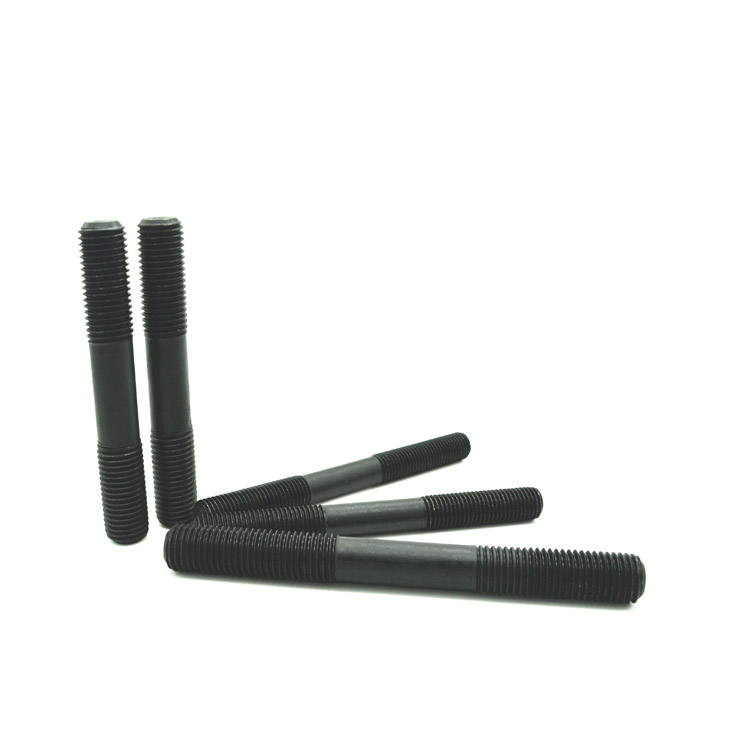
Aircraft bolts are critical fastening components employed across all facets of aircraft construction, from primary structural assemblies like wing-to-fuselage attachments to secondary systems such as control surfaces and engine mounts. These are not simply standard bolts; they represent a highly engineered class of fasteners designed to withstand extreme stresses, temperatures, and vibrational loads inherent in flight. The technical position of aircraft bolts within the aerospace supply chain is paramount, directly influencing airframe integrity and flight safety. Core performance characteristics revolve around tensile strength, shear strength, fatigue resistance, corrosion protection, and adherence to stringent aerospace material specifications. Unlike bolts used in general engineering, aircraft bolts require full traceability of materials, manufacturing processes, and inspection data, governed by strict regulatory oversight. The increasing demand for lightweighting in aircraft design has driven the adoption of advanced materials and manufacturing techniques in aircraft bolt production.
Material Science & Manufacturing
Aircraft bolts are primarily manufactured from high-strength alloy steels, titanium alloys, and nickel-based superalloys. Common steel alloys include AISI 4340, 300M, and various grades of alloy steel conforming to AMS (Aerospace Material Specification) standards. Titanium alloys, specifically Ti-6Al-4V, are employed where weight reduction is crucial. Nickel-based alloys, such as Inconel 718, are used in high-temperature applications, like turbine engine components. The raw materials undergo rigorous testing to verify chemical composition, tensile properties, and microstructure. Manufacturing processes typically begin with hot forging or cold heading to form the bolt's basic shape. Subsequent machining operations, including thread rolling and head forming, are performed to precise tolerances. Heat treatment is a critical step, involving hardening, tempering, and stress relieving to achieve the desired mechanical properties. Surface treatments, such as cadmium plating, zinc-nickel plating, or passivate coatings, are applied for corrosion protection. Thread rolling, as opposed to cutting threads, imparts compressive residual stresses which significantly improve fatigue life. Critical parameters controlled during manufacturing include forging temperature, cooling rates during heat treatment, surface roughness, and coating thickness. Non-destructive testing (NDT) methods like fluorescent penetrant inspection (FPI), magnetic particle inspection (MPI), and ultrasonic testing are routinely employed to detect flaws and ensure structural integrity.
Performance & Engineering
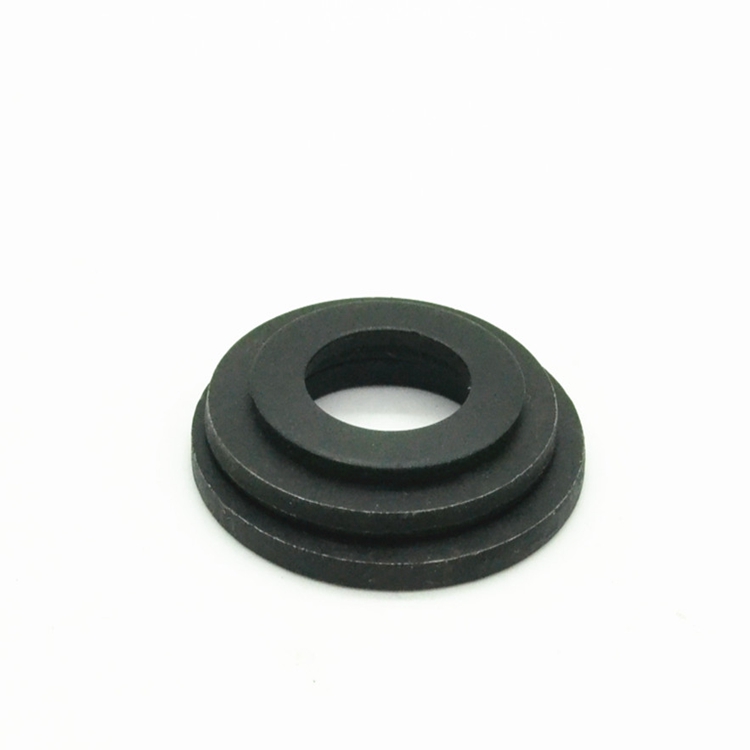
Aircraft bolt performance is governed by complex force analysis, considering tensile, shear, and torsional loads. Tensile strength is the maximum stress the bolt can withstand before fracture under a pulling force, while shear strength defines its resistance to forces acting parallel to the cross-section. Fatigue resistance is particularly crucial, as aircraft structures are subjected to cyclic loading during flight. Finite element analysis (FEA) is routinely used to model stress distribution within the bolt and predict its fatigue life under various loading scenarios. Environmental resistance is another key consideration, as aircraft operate in harsh environments with varying temperatures, humidity, and exposure to corrosive substances. The selection of appropriate materials and surface treatments is vital for mitigating corrosion. Compliance requirements are dictated by aerospace regulations, including those from the FAA (Federal Aviation Administration), EASA (European Union Aviation Safety Agency), and equivalent bodies worldwide. Functional implementation involves proper bolt preload, which is the tension applied to the bolt during installation. Correct preload ensures sufficient clamping force to prevent joint separation and improves fatigue performance. Furthermore, the design of the bolt hole and mating components is critical to avoid stress concentrations. Locking mechanisms, such as self-locking nuts, cotter pins, or safety wire, are employed to prevent loosening due to vibration.
Technical Specifications
| Material Grade | Tensile Strength (MPa) | Shear Strength (MPa) | Corrosion Resistance (Salt Spray Hours) |
|---|---|---|---|
| AISI 4340 | 950-1100 | 650-800 | 48-96 (Cadmium Plated) |
| 300M | 1200-1400 | 850-1000 | 48-96 (Cadmium Plated) |
| Ti-6Al-4V (Grade 5) | 895-1035 | 550-700 | >1000 (Passivated) |
| Inconel 718 | 1000-1200 | 700-900 | >2000 (Passivated) |
| AN970-10 (Steel) | 850-1000 | 600-750 | 48-96 (Cadmium Plated) |
| NAS668-10 (Titanium) | 900-1050 | 600-750 | >1000 (Passivated) |
Failure Mode & Maintenance
Aircraft bolt failure can occur through several modes. Fatigue cracking, initiated by cyclic loading, is a common failure mechanism, particularly in highly stressed areas. Stress corrosion cracking (SCC) can occur in corrosive environments, exacerbated by tensile stresses. Hydrogen embrittlement, caused by hydrogen diffusion into the bolt material, can lead to brittle fracture. Thread stripping can occur due to excessive torque or improper installation. Galvanic corrosion can arise from dissimilar metal contact in a corrosive environment. Fretting corrosion, caused by small oscillatory movements between mating surfaces, can weaken the bolt. Maintenance involves regular inspections for signs of corrosion, cracking, or deformation. Torque checks are essential to ensure proper preload. Lubrication with approved aerospace lubricants can reduce friction and prevent galling. Damaged or corroded bolts must be replaced immediately. Non-destructive testing (NDT) can be used to detect hidden flaws. Detailed record-keeping of bolt inspections, maintenance activities, and replacements is critical for ensuring traceability and maintaining airworthiness. Regularly scheduled bolt replacements based on flight hours or cycles are also a common practice, dictated by maintenance manuals and regulatory requirements.
Industry FAQ
Q: What is the significance of AMS specifications in aircraft bolt selection?
A: AMS (Aerospace Material Specifications) are crucial because they define the specific material properties, manufacturing processes, and testing requirements for aircraft bolts. Adhering to AMS ensures consistent quality, traceability, and reliability, mitigating the risk of premature failure and ensuring compliance with regulatory standards.
Q: How does preload affect the fatigue life of an aircraft bolt?
A: Correct preload is paramount. Insufficient preload can lead to joint separation and increased stress concentrations, accelerating fatigue crack initiation. Excessive preload can overstress the bolt, also reducing its fatigue life. Optimal preload creates clamping force and imparts compressive residual stresses, delaying crack propagation and maximizing fatigue resistance.
Q: What are the typical corrosion protection methods used for aircraft bolts?
A: Common methods include cadmium plating (though phasing out due to environmental concerns), zinc-nickel plating, passivate coatings (for titanium and stainless steel), and specialized paints. The choice depends on the material, operating environment, and regulatory requirements. Proper surface preparation and coating thickness are critical for effective corrosion protection.
Q: How are aircraft bolts tracked throughout their lifecycle?
A: Full traceability is maintained through a rigorous documentation system. Each bolt is assigned a unique serial number linked to material certifications, manufacturing records, heat treatment data, inspection results, and installation/maintenance history. This data is crucial for quality control, failure analysis, and regulatory compliance.
Q: What are the implications of using counterfeit or non-certified aircraft bolts?
A: Using counterfeit or non-certified bolts poses a significant safety risk. These parts may have inferior materials, improper manufacturing processes, and lack of traceability, leading to catastrophic failure. Strict adherence to approved supplier lists and verification of certifications are essential to prevent the use of substandard parts.
Conclusion
Aircraft bolts represent a highly specialized and critical component of aircraft structures, demanding meticulous attention to material science, manufacturing processes, and performance engineering. Their ability to withstand extreme conditions, maintain structural integrity, and ensure flight safety relies heavily on adherence to stringent aerospace standards and regulatory requirements. The industry’s continuous drive for lightweighting and improved performance necessitates ongoing innovation in materials and manufacturing techniques, pushing the boundaries of bolt technology.
Looking ahead, the adoption of advanced materials like composite bolts and the implementation of advanced NDT methods will further enhance the reliability and lifespan of these critical fasteners. Digitalization and data analytics will play an increasingly important role in predictive maintenance and lifecycle management, optimizing bolt replacement schedules and minimizing downtime. Continued research and development are crucial for addressing emerging challenges and ensuring the continued airworthiness of aircraft fleets worldwide.