
Introduction
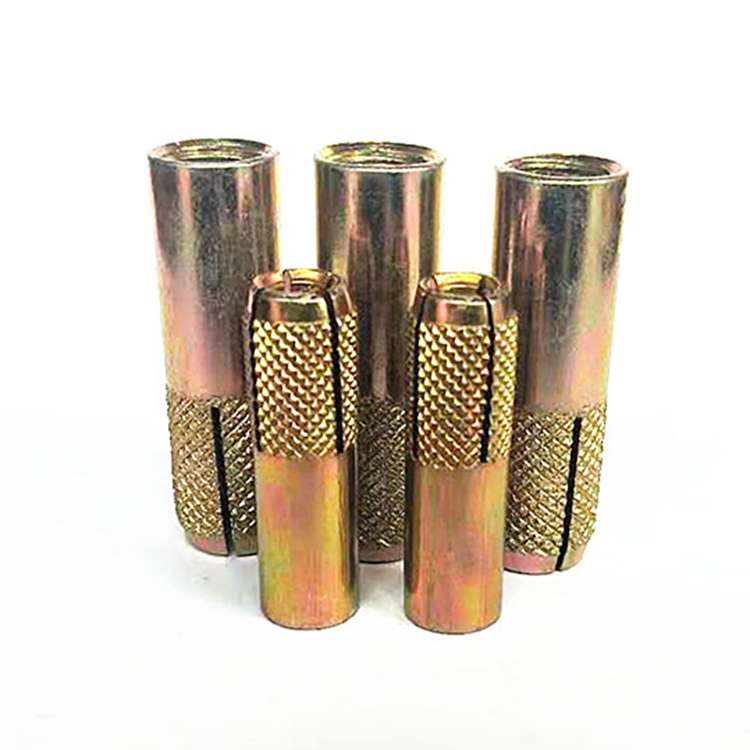
5/8-inch diameter anchor bolts are mechanical fasteners utilized to connect structural and non-structural elements to concrete foundations. Their function centers around transferring tensile, shear, and compression forces between the attached element and the concrete. Positioned within the broader construction fastening industry, these bolts represent a critical component in ensuring structural integrity across a diverse range of applications, including building construction, infrastructure projects (bridges, towers), and industrial installations. Core performance characteristics revolve around tensile strength, shear strength, embedment depth requirements, and resistance to corrosion. Selection criteria necessitate a thorough understanding of load conditions, concrete properties, and environmental factors. Improper specification or installation can lead to catastrophic structural failure, highlighting the need for stringent adherence to engineering standards and best practices.
Material Science & Manufacturing
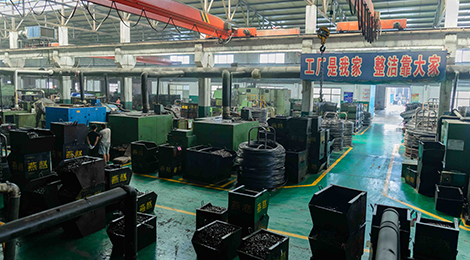
The most common material for 5/8-inch anchor bolts is medium carbon steel, typically AISI 1018 or 1020. These steels offer a balance of tensile strength, ductility, and weldability. Chemical composition typically includes 0.18-0.25% carbon, 0.60-0.90% manganese, with trace amounts of phosphorus and sulfur. High-strength anchor bolts may utilize alloy steels, such as ASTM A36, offering higher yield and tensile strengths. Manufacturing processes primarily involve cold heading, where a metal rod is forced into a die to form the bolt head and shank. This process work-hardens the metal, increasing its strength. Subsequent thread rolling forms the UNC (Unified National Coarse) or UNF (Unified National Fine) threads. Critical parameters during manufacturing include die geometry to ensure thread accuracy, heading force to prevent material defects, and heat treatment (quenching and tempering) to achieve the desired mechanical properties. Surface treatments, such as galvanization (hot-dip or electro-galvanization) or epoxy coating, are crucial for corrosion resistance. The quality of the galvanization coating (thickness, adherence) is determined by ASTM A153 standards. Concrete compatibility requires consideration of the electrochemical potential difference between the steel and the concrete, especially in chloride-rich environments, to mitigate corrosion risks.
Performance & Engineering
The performance of 5/8-inch anchor bolts is governed by several engineering principles. Tensile strength, the maximum stress the bolt can withstand before fracturing, is a primary factor, typically ranging from 70,000 to 90,000 psi for Grade 2 bolts and exceeding 120,000 psi for Grade 5 and Grade 8 bolts (ASTM A307, A36, A572). Shear strength, the resistance to forces acting parallel to the bolt shank, is crucial in applications where lateral loads are present. The embedment depth of the bolt into the concrete significantly influences its pullout capacity. ACI 318 (Building Code Requirements for Structural Concrete) provides detailed equations for calculating pullout strength, considering concrete compressive strength, bolt diameter, embedment depth, and edge distance. Environmental resistance is paramount; corrosion, particularly from chlorides (de-icing salts, marine environments), can significantly reduce the bolt's load-carrying capacity. Fatigue loading, caused by repeated cycles of stress, can lead to crack initiation and propagation, potentially resulting in failure. Proper design and selection of appropriate materials and coatings are essential to mitigate fatigue effects. Compliance requirements include adherence to building codes (IBC, UBC), industry standards (ASTM, ACI), and potentially local regulations depending on the application and jurisdiction. Detailed force analysis, including finite element analysis (FEA), is often performed to optimize bolt placement and ensure structural integrity under various loading scenarios.
Technical Specifications
| Diameter | Material Grade | Tensile Strength (psi) | Shear Strength (psi) |
|---|---|---|---|
| 5/8 inch | Grade 2 (A307) | 60,000 | 30,000 |
| 5/8 inch | Grade 5 (A36) | 85,000 | 42,500 |
| 5/8 inch | Grade 8 (A572) | 120,000 | 60,000 |
| 5/8 inch | 316 Stainless Steel | 75,000 | 37,500 |
| 5/8 inch | Galvanized (A153) | Varies by Grade | Varies by Grade |
| 5/8 inch | Epoxy Coated | Varies by Grade | Varies by Grade |
Failure Mode & Maintenance
Common failure modes for 5/8-inch anchor bolts include tensile overload (yielding or fracture of the bolt), shear failure (shear plane development in the concrete or bolt shank), pullout failure (bond failure between the bolt and concrete), corrosion (reduction in cross-sectional area due to rust), and hydrogen embrittlement (particularly in high-strength steels exposed to corrosive environments). Fatigue cracking can occur under cyclic loading, initiating at stress concentrations (e.g., thread roots). Concrete cracking around the anchor bolt can indicate overload or inadequate embedment. Preventative maintenance includes regular visual inspections for signs of corrosion, loosening, or concrete damage. Periodic torque checks can verify the bolt's clamping force. In corrosive environments, re-tightening or replacement of corroded bolts may be necessary. Protective coatings (galvanization, epoxy) should be inspected for damage and repaired as needed. If concrete cracking is observed, a structural engineer should assess the damage and recommend appropriate repairs, potentially involving epoxy injection or bolt replacement. For heavily loaded applications, non-destructive testing methods (e.g., ultrasonic testing) can be employed to detect internal flaws or corrosion without disassembling the connection. Failure analysis should include metallurgical examination of fractured bolts to determine the root cause of failure and prevent recurrence.
Industry FAQ
Q: What is the primary difference between a Grade 2 and a Grade 5 anchor bolt, and when should each be used?
A: The primary difference lies in their tensile strength and yield strength. Grade 5 bolts possess significantly higher strength values than Grade 2 bolts. Grade 2 bolts (A307) are generally suitable for applications with lower load requirements and where ductility is prioritized. Grade 5 bolts (A36) are used in applications involving higher stresses, such as structural connections where greater load-carrying capacity is essential. Always consult relevant engineering codes and calculations to determine the appropriate grade for a specific application.
Q: How does concrete compressive strength impact the pullout capacity of a 5/8-inch anchor bolt?
A: Concrete compressive strength is directly proportional to the pullout capacity of an anchor bolt. Higher concrete strength provides greater frictional resistance between the bolt and the concrete, increasing the force required to pull the bolt out. ACI 318 provides equations that explicitly incorporate concrete compressive strength (f'c) in the pullout capacity calculation. Lower concrete strength necessitates larger embedment depths or the use of specialized anchor bolt systems with enhanced pullout resistance.
Q: What are the best practices for preventing corrosion of anchor bolts in marine environments?
A: Several strategies can mitigate corrosion. Utilizing stainless steel (Grade 316) anchor bolts offers superior corrosion resistance compared to carbon steel. Alternatively, hot-dip galvanization provides a protective zinc coating. Epoxy coatings provide an additional barrier against corrosive agents. Careful selection of compatible materials (avoiding dissimilar metal contact) is crucial to minimize galvanic corrosion. In highly corrosive environments, sacrificial anodes can be used to protect the bolts. Regular inspection and maintenance, including cleaning and re-coating, are essential.
Q: What is the significance of edge distance when installing 5/8-inch anchor bolts?
A: Edge distance, the distance from the center of the anchor bolt to the edge of the concrete, is critical to prevent concrete cone failure. Insufficient edge distance can lead to cracking and spalling of the concrete, reducing the bolt's load-carrying capacity. ACI 318 specifies minimum edge distance requirements based on the concrete strength and the anchor bolt size. Adhering to these requirements ensures adequate concrete confinement and prevents premature failure.
Q: How does thread type (UNC vs UNF) affect the performance of a 5/8-inch anchor bolt?
A: UNC (Unified National Coarse) threads have fewer threads per inch and are generally preferred for applications requiring higher clamping force and faster assembly. UNF (Unified National Fine) threads have more threads per inch, providing greater shear strength and resistance to loosening due to vibration. However, they are more susceptible to damage during installation. For most anchor bolt applications, UNC threads are commonly used. The selection depends on the specific loading conditions and environmental factors.
Conclusion
The 5/8-inch anchor bolt is a fundamental fastener in construction and industrial applications, relying on a complex interplay of material science, manufacturing precision, and sound engineering principles. Its performance is critically dependent on material selection, proper installation adhering to ACI 318 guidelines, and proactive maintenance to mitigate corrosion and fatigue failure. Understanding the nuances of tensile strength, shear capacity, pullout resistance, and environmental factors is paramount for ensuring long-term structural integrity and safety.
Future advancements in anchor bolt technology are likely to focus on the development of corrosion-resistant alloys, enhanced coating systems, and smart monitoring technologies that can detect early signs of failure. Continued research into concrete-anchor bolt interaction, particularly under dynamic loading conditions, will further refine design methodologies and improve the reliability of these critical fastening components. Furthermore, standardization of testing procedures and quality control measures will remain essential for ensuring consistent product performance across the industry.